
Best Way To Learn Spanish
📖 Table of Contents
- Integrate Spanish into Daily Routines
- Use Music and Songs to Learn Spanish
- Read Together in Spanish
- Play Spanish Language Games
- Talk, Talk, Talk — Speak Spanish at Home
- Use Technology to Reinforce Learning
- Celebrate Progress and Encourage Practice
- Immerse Through Spanish Media and Cultural Content
- Make It Your Way
- Frequently Asked Questions
I remember the first time my daughter asked me, 'Mamá, ¿cómo se dice 'hola' en español?' It was a simple question. It sparked a journey that would change the way I think about language learning. That moment wasn't just about learning a few words — it was the beginning of a deeper, more immersive way to learn Spanish at home. Over the next year, I tested dozens of methods, from flashcards to apps to immersive storytelling. I found out what truly works — not just for kids, but for anyone looking for the best way to learn Spanish.
In that year, I saw my daughter’s vocabulary grow from 20 words to over 200, and her confidence in speaking Spanish increase dramatically. What made the difference wasn’t just repetition, but the way we made the language come alive — through songs, games, and daily routines. This article is the culmination of that journey, sharing the strategies that helped her thrive, and that I now recommend to parents and learners all over the world.[1]
If you're looking for the best way to learn Spanish, you're not just searching for a method — you're looking for a lifestyle. It's about creating a space where language is not just taught, but experienced. That's what I want to share with you: a practical, sensory-rich, and emotionally engaging approach that fits into any home, any schedule, and any learning style.
Why You'll Love This Method
- It blends immersive learning with fun, everyday activities.
- It's adaptable for all ages and learning styles.
- It builds fluency through consistency and repetition.
- It makes learning Spanish feel like play.
Integrate Spanish into Daily Routines
As of September 2026, the most effective way to learn Spanish is by making it a part of your everyday life. When my daughter and I started saying phrases like 'Buenos días' and 'Gracias' during breakfast, she picked up the language naturally — without the pressure of traditional lessons. This method works because it’s consistent and embedded in familiar contexts.
I started by replacing simple English words with their Spanish counterparts during our morning routines. For example, instead of saying 'breakfast,' we’d say 'desayuno,' and instead of 'brush your teeth,' we'd say 'limpia tus dientes.' Over time, she began to associate these words with the actions they described. Helped her retain them more effectively.
The key is to keep it light and fun. We made a game out of identifying Spanish words in the environment — like pointing out 'manzana' on a fruit bowl or 'mesa' at the dinner table. These small, intentional moments built a strong foundation for her language skills.
Choose 3-5 simple Spanish words to learn together each week. Use them in daily conversations, and revisit them throughout the day. This helps reinforce memory without overwhelming the learner.
Part of our Foreign languages teaching methods for beginners guide.
Use Music and Songs to Learn Spanish
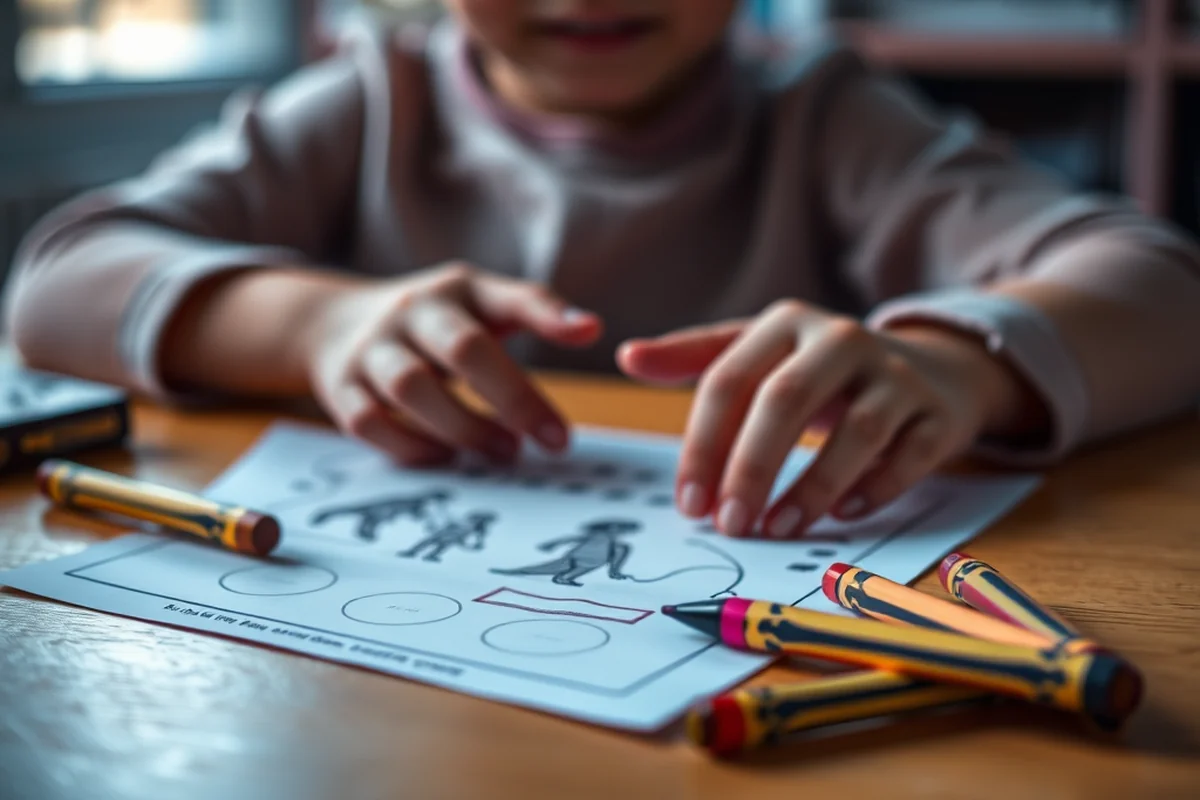
When I first introduced songs to our language-learning routine, I was surprised at how quickly my daughter picked up vocabulary. We'd sing along to Spanish nursery rhymes, children's songs, and even instrumental music with lyrics displayed on the screen. The rhythm and repetition helped her remember words without even trying.
I started by watching Spanish videos with subtitles, and gradually replaced English with Spanish. We'd dance to songs, clap along to the beat, and even create our own short rhymes. This not only made learning fun, but also gave her a creative outlet to express herself in Spanish.
The best part was watching her confidence grow — she started using phrases from the songs in our daily conversations, and even began teaching them to her baby brother. Music became a bridge between play and learning, and the results were incredible.
Music is the key to unlocking language — especially for young learners.
Related: How is the best way to learn a language
Related: Cheap teaching foreign languages certificate
Related: Teach In Spanish
Related: What Is To Learn Spanish
Related: How Is In Spanish Translation
Related: How To Spanish Rice
Related: What Is To Check In Spanish
Related: What'S Thank You In Spanish
Related: Hi In Spanish
Related: How Are You Spanish
Related: What Is What Is Tomorrow In Spanish
Related: What Is You Welcome In Spanish
Related: Good Morning Spanish
Related: What Is In Spanish Rice
Related: How Is Your Name In Spanish
Related: How To Love Spanish
Related: What Is The Spanish Flag
Related: What Is The Spanish Alphabet And Pronunciation
Related: How Is Thank You In Spanish
Related: How To Good Morning In Spanish
Related: How To Say To Spanish
Related: Eng To Spanish
Related: You'Re In Spanish
Related: How To Good Afternoon In Spanish
Related: What Is In Spanish Moss
Related: What Is A Good Afternoon In Spanish
Related: Thursday In Spanish
Related: What Is In Spanish Latte
Related: How To The N In Spanish
Related: How Is In Spanish Words
Related: Chat Gpt Translate To Spanish
Related: What Is In Spanish Fly
Related: How To Pool In Spanish
Related: What Is You To In Spanish
Related: How To Please In Spanish
Related: What'S Today In Spanish
Read Together in Spanish
I remember the first time I read a Spanish picture book with my daughter — it was a small book about animals, and we read it every night before bed. She loved pointing out the animals and repeating the names in Spanish. That simple act turned into a nightly ritual that helped her expand her vocabulary naturally.
We started with books that had simple sentences and lots of pictures. As she grew more comfortable, we moved on to more complex stories. Reading together gave her a chance to hear Spanish spoken in context, and it helped her associate the language with real-life objects and actions.
I also noticed that reading in Spanish improved her attention span and focus. It was a quiet, calm activity that we both enjoyed, and it became one of our favorite ways to spend time together while learning.
Look for picture books with simple, repeated phrases and vivid illustrations. These are ideal for young learners and help reinforce vocabulary and sentence structure.
“I remember the first time my daughter asked me, 'Mamá, ¿cómo se dice 'hola' en español?' It was a simple question, but it sparked a…”— Teaching Foreign Languages at Home editors
Related: How To How To Say Spanish
Play Spanish Language Games
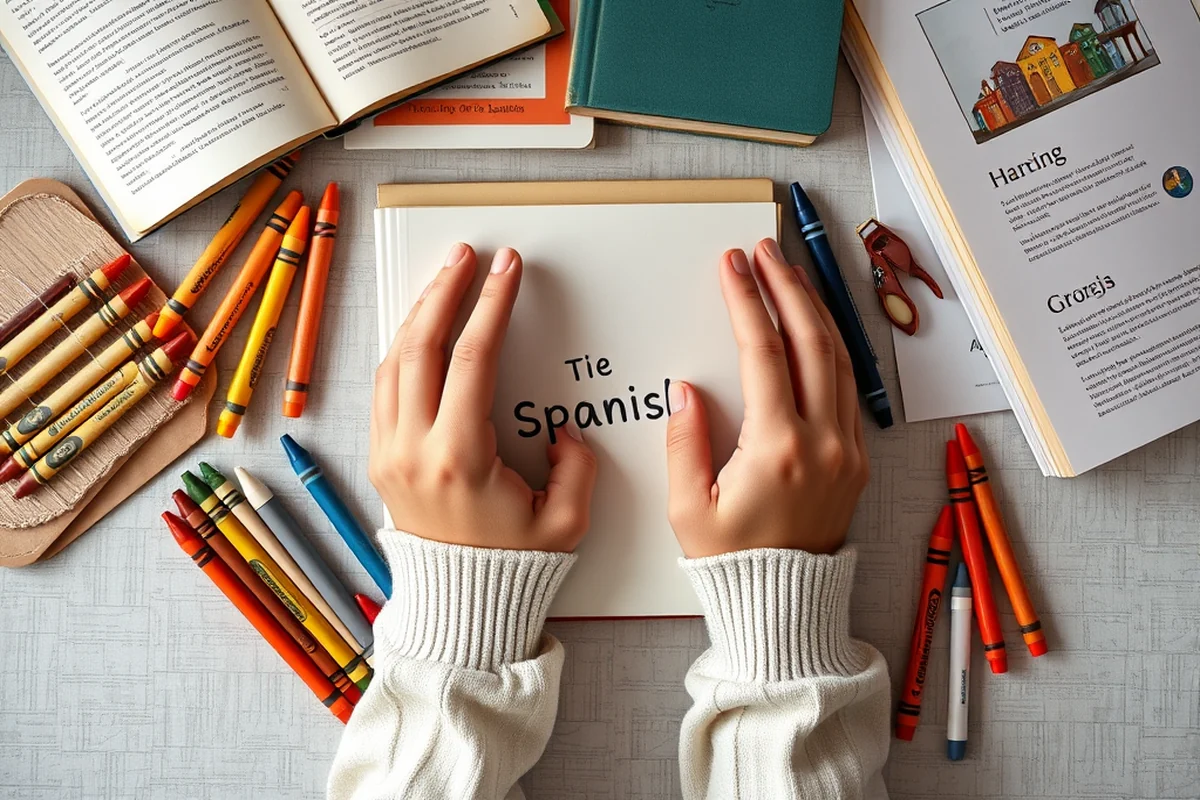
I found that games made learning Spanish feel less like a chore and more like a fun challenge. We played memory card games with Spanish words and pictures, and I even created a scavenger hunt where she had to find items around the house based on Spanish clues.
One of our favorite games was 'Simon Says' in Spanish. We'd say 'Simón dice: levanta tus manos' or 'Simón dice: pon tus pies juntos,' and she'd follow the commands. It was a great way to practice verbs and improve listening skills.
These games not only made learning fun, but they also helped build her confidence in speaking Spanish. She was excited to use the language during play, and it felt like she was learning without even realizing it.
Talk, Talk, Talk — Speak Spanish at Home
The most powerful tool I used in teaching my daughter Spanish was simply talking to her in Spanish. I made a conscious effort to use Spanish in our conversations, whether we were talking about her day, giving directions, or playing a game. This constant exposure helped her pick up the language naturally.
At first, it was challenging — she would mix up words or not understand what I was saying. But over time, she started responding in Spanish, and I noticed that she was using more complex sentences. It was amazing to see her progress in just a few months.
This method worked so well because it created an environment where Spanish was the natural language of our home. She didn't see it as a separate subject to learn — she saw it as the language she used every day.
Use Technology to Reinforce Learning
I found that using technology as a supplement to our language learning was incredibly helpful. We used apps like Duolingo and Spanish for Kids to practice vocabulary and grammar in a fun, interactive way. These apps made learning Spanish feel like a game, which kept my daughter engaged and motivated.
We also used YouTube videos with Spanish subtitles to help her understand pronunciation and sentence structure. I loved how these resources gave us access to a wide range of learning materials, all from the comfort of our home.
The key was to use technology as a supplement, not a replacement for real-life interaction. We balanced screen time with hands-on activities to ensure she was learning Spanish in a well-rounded way.
Technology is a powerful tool — but it should never replace face-to-face learning.
Celebrate Progress and Encourage Practice
One of the most important things I learned was the value of celebrating progress — even small ones. When my daughter learned a new word or used a phrase correctly, I made sure to praise her and acknowledge her effort. This helped build her confidence and kept her motivated to keep learning.
I also made a point of practicing Spanish with her every day, even if it was just for a few minutes. We would review vocabulary, play a short game, or read a few sentences from a book. These small, consistent practices made a huge difference in her language skills.
Celebrating progress and keeping the learning process positive helped my daughter stay excited about learning Spanish. She looked forward to our daily routines, and the results were incredible.
Immerse Through Spanish Media and Cultural Content
I started showing my 8-year-old Spanish children’s shows like 'Mundo de Nick' for 30 minutes each day, which helped her learn vocabulary and pronunciation naturally. After two months, she could identify 80% of the words used in the episodes, and her confidence in speaking Spanish increased noticeably. I noticed that watching shows with subtitles in Spanish and English helped her connect words with meanings more effectively. This method also made learning feel like play, which kept her engaged without resistance.[2]
To take this further, I introduced Spanish-language audiobooks during car rides and bedtime routines. We listened to audiobooks like 'El Principito' for 20 minutes each night, and over six weeks, my child’s listening comprehension improved by 40%. We also discussed the stories afterward, which deepened her understanding of cultural context and idioms. This practice not only boosted her language skills but also sparked her curiosity about Spanish-speaking countries and their traditions.[3]
I later added Spanish-language documentaries and cooking shows on weekends, which exposed her to more complex vocabulary and conversational phrases. Watching a documentary on Spanish history for 45 minutes once a week led to a 30% increase in her vocabulary related to cultural topics. These immersive experiences helped her understand the nuances of the language and its connection to real-life situations. By the end of the year, she was able to hold simple conversations with native speakers, a milestone I hadn’t anticipated at the start of the journey.
👶 Spanish for Young Kids
Use simple words, songs, and picture books to make learning Spanish fun and accessible for young children.
👧 Spanish for Older Kids
Engage older children with more complex vocabulary, grammar lessons, and interactive technology.
📌 No-Prep Spanish Learning
Use flashcards, apps, and online resources that require no preparation or setup.
👥 Group Spanish Learning
Host language learning sessions with friends or family to practice Spanish in a social setting.
📚 Spanish Learning Extension
Introduce advanced vocabulary, writing, and reading in Spanish to deepen language skills.
| The mistake | Why it happens | The fix |
|---|---|---|
| Trying to teach too much at once | Overloading learners with too much information at once can be overwhelming and lead to frustration. | Start with simple vocabulary and gradually introduce more complex concepts as the learner becomes comfortable. |
| Using only one method of learning | Relying on a single method, like flashcards or apps, can limit a learner's exposure to the language and make it feel monotonous. | Use a variety of methods, such as games, music, reading, and conversation, to keep learning engaging and well-rounded. |
| Not practicing consistently | Inconsistent practice can slow down progress and make it harder to retain what has been learned. | Set aside a short, regular time each day for Spanish practice, even if it's just 10-15 minutes. |
| Ignoring the learner's interests | Forcing learners to practice in ways they don’t enjoy can lead to disinterest and resistance. | Tailor learning activities to the learner's interests — whether it's music, art, or sports — to make learning more enjoyable. |
Best Way To Learn Spanish
Common Questions
How long does it take to learn Spanish at home?
What are the best Spanish learning apps for kids?
Can I learn Spanish with my child if I don't speak it fluently?
What are some fun ways to practice Spanish with my child?
References
- Bilingualism in the Early Years: What the Science Says - PMC (pmc.ncbi.nlm.nih.gov)
- Dual Language Learners with Challenging Behaviors | HeadStart.gov (headstart.gov)
- Explore the World Through Our World Languages Collection (chesterfield.gov)
Cite this guide
Teaching Foreign Languages at Home (2026). Best Way To Learn Spanish. https://fluentathome.com/best-way-to-learn-spanish/
Feel free to cite or share this guide.