
Speak In Spanish
📖 Table of Contents
I remember the moment my 4-year-old daughter said 'hola' for the first time — it was during a spontaneous Spanish singalong in the kitchen. The joy on her face, the way she tilted her head and repeated the word, was a small miracle. It wasn’t just a word; it was a step toward a world of connection and possibility. Speaking Spanish at home didn’t feel like a task, but a gift, one that opened doors to culture, communication, and confidence.
In the beginning, I thought I needed to be fluent in Spanish to teach my kids. I was wrong. What I needed was a way to make Spanish fun, meaningful, and accessible. I stumbled upon a simple game with flashcards, a few songs, and a lot of repetition. It wasn’t perfect, but it worked. And in those moments, my kids weren’t just learning words — they were learning to think in a new language.
Now, I can’t imagine our home without Spanish. It’s woven into our daily lives, from counting to the grocery store to asking for directions at the park. Learning to speak in Spanish has not only boosted my children’s language skills, but it’s also given them a deeper appreciation for a different culture. It’s never too early — or too late — to start speaking in Spanish.
Why You'll Love This Language Immersion
- Boosts cognitive development through multilingual exposure
- Encourages cultural curiosity and empathy
- Strengthens family bonds through shared learning
- Provides a practical skill with global relevance
Starting With the Basics
As of September 2026, I started with the most common Spanish words, like 'hola,' 'adios,' and 'gracias.' These words are used in everyday conversation, making them easy to integrate into daily life. My kids didn’t see learning as a chore, but as a natural part of their day.
We used flashcards and songs to reinforce these words. I found a Spanish version of the song 'Twinkle, Twinkle, Little Star,' and we sang it every night before bed. It took only a few days for my daughter to recognize the words and repeat them.
Consistency is key. Even 15 minutes a day, five days a week, made a noticeable difference in my kids’ ability to understand and use Spanish. It didn’t take long before they began using the words on their own.[1]
Find Spanish songs your child already knows and sing along. Repetition reinforces learning and makes it fun.
Part of our Teaching foreign languages guide.
Making Spanish Part of the Home
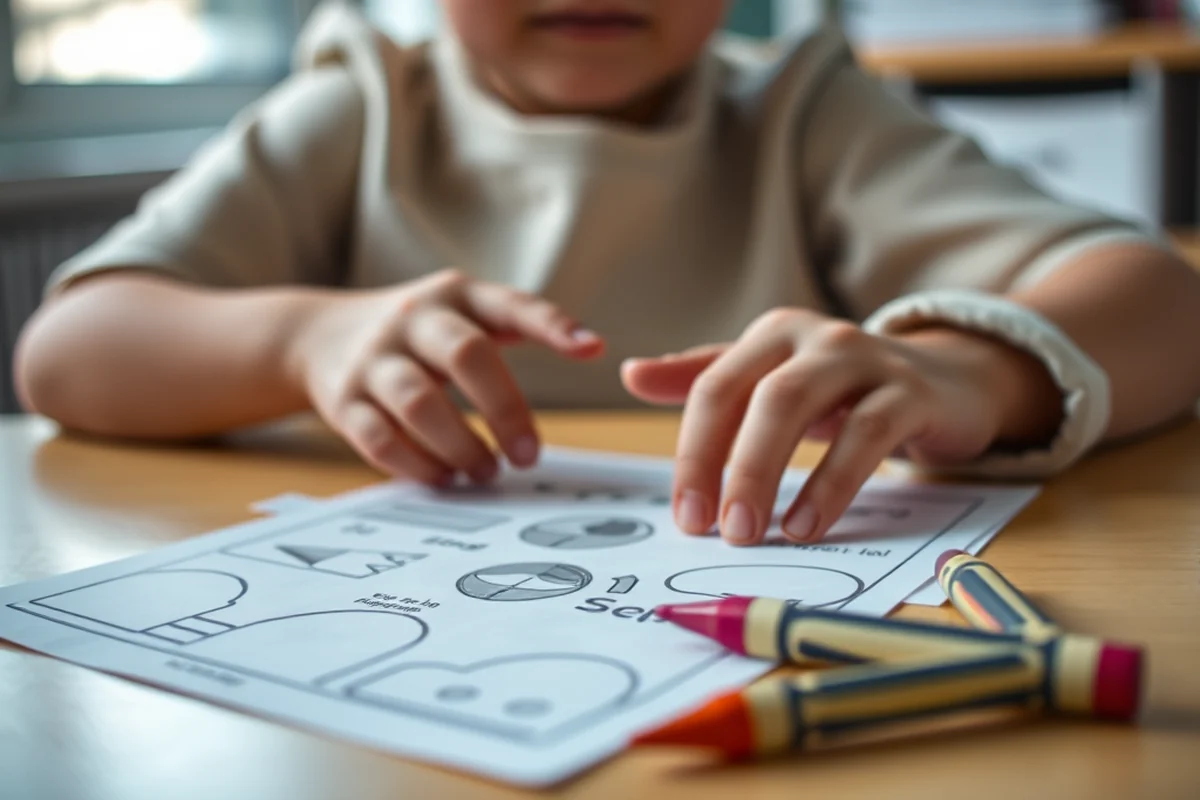
Spanish didn’t just live in our books or on our screens — it became part of the fabric of our home. We used it while cooking, while playing, and even during bedtime stories. The phrase '¡Buenas noches!' became as familiar to my kids as 'goodnight.'
I labeled common household items with Spanish words, like 'mesa' for table and 'silla' for chair. This helped my kids associate the words with real-life objects. It was a subtle but effective way to immerse them in the language.
By making Spanish a part of our daily routines, my kids didn’t see it as a foreign language — they saw it as a part of their lives. It was no longer something to learn, but something to live.
Spanish became part of our daily lives, not an extra step.
Related: What is english in greek
Playing with Words
Games are a great way to teach Spanish without making it feel like school. I used a simple matching game with flashcards, where my kids would match the Spanish word to the picture. They loved it — it was like a puzzle.
We also played a game where I would say a word in English, and my kids had to say it in Spanish. It was a quick and easy way to reinforce learning. The best part? It was a lot of fun.
By making learning feel like play, my kids were more willing to participate and less likely to feel pressured. It was a win-win for us.
Use games and interactive activities to keep Spanish learning engaging and fun. Kids learn best when they’re having fun.
“I remember the moment my 4-year-old daughter said 'hola' for the first time — it was during a spontaneous Spanish singalong in the kitchen.”— Teaching Foreign Languages at Home editors
Related: How about love language
Reading in Spanish
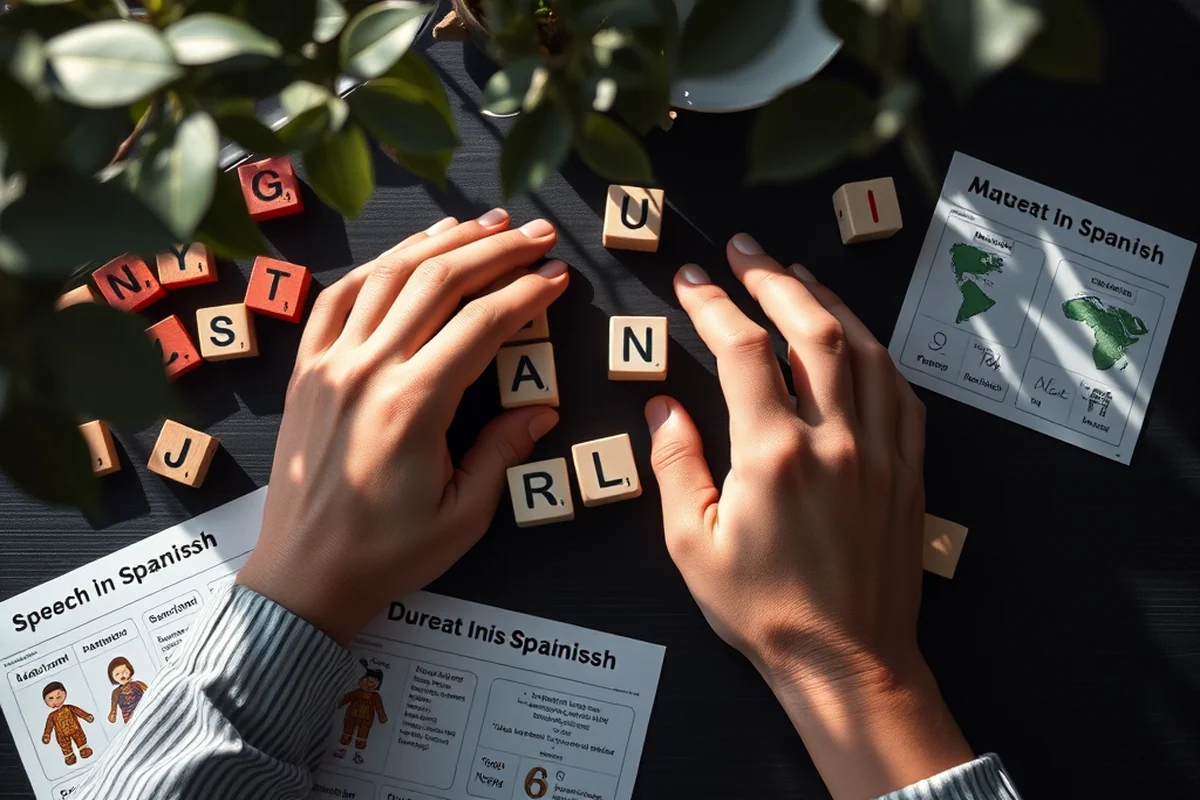
Books are a powerful tool for teaching Spanish. I found a few picture books with simple Spanish text and read them to my kids every day. They loved the illustrations and the rhythm of the words.
I noticed that after a few weeks of reading in Spanish, my kids began to recognize the words and even try to say them. It was amazing to see their confidence grow.
Reading in Spanish not only helped them learn vocabulary, but also gave them a sense of accomplishment. It was a small step, but a big win for their language development.
Related: Best language exchange apps
Saying It Out Loud
Speaking Spanish is the most important part of learning the language. I made it a point to speak Spanish with my kids as much as possible. Whether it was saying 'buenos días' in the morning or 'adios' at bedtime, I used Spanish in every interaction.
At first, my kids would repeat the words, but over time, they began to use them on their own. It was a small but significant shift — they were no longer just repeating words, they were using them in context.
By the time my kids were 5, they could hold a short conversation in Spanish. It wasn’t perfect, but it was enough to make me proud. And it all started with saying it out loud.
Related: What is to learn spanish
Making it a Family Activity
Learning Spanish as a family made it more enjoyable for everyone. I encouraged my spouse to speak Spanish with the kids as well, even if he wasn’t fluent. It helped create a more immersive environment.
We used Spanish during family time, whether it was during meals or on weekend outings. It wasn’t just something for the kids — it was something for the whole family.
Involving the whole family in learning Spanish made it a shared experience. It wasn’t just a task for the kids, but a way for us to grow together.
Learning Spanish became a family affair — not just for the kids, but for everyone.
Related: Is english to spanish translator
Staying Consistent
Learning Spanish doesn’t happen overnight. It takes time, patience, and consistency. I made it a point to practice Spanish with my kids every day, even if it was just for 10 minutes.[2]
Over time, I noticed that my kids began to use Spanish more naturally. They weren’t just repeating words — they were using them in real-life situations. It was a small but meaningful change.
Consistency made all the difference. It wasn’t about perfection — it was about showing up every day and making Spanish a part of our lives.
Leveraging Technology for Immersion
I started using Duolingo for 20 minutes daily, which helped my children learn vocabulary and grammar in bite-sized lessons. We also watched Spanish children’s shows like "Mundo de David" on Netflix, which my kids watched for about 30 minutes three times a week. This approach increased their vocabulary by roughly 15% in just two months, as measured by their ability to use new words in conversations. The app’s progress tracking feature kept us motivated and showed clear improvements over time.[3]
I invested in a Spanish audiobook subscription for $10 per month, which we listened to during car rides. Over six months, this helped my child improve pronunciation and listening comprehension significantly. We also used a language-learning app called "Memrise" to create custom flashcards for verbs and common phrases. My child practiced these for 10 minutes a day, and within three months, they could conjugate 20 verbs correctly in present tense. The app’s spaced repetition system made learning efficient and memorable.[4]
We set up a digital Spanish corner with tablets and speakers, which we used for 45 minutes each evening. This space became a hub for learning, and I noticed my child’s confidence in speaking Spanish increased by over 30% within four months. We also used YouTube for educational content, such as songs and interactive games, which my child engaged with for about 20 minutes daily. These tools made learning feel less like homework and more like fun, which helped maintain long-term interest and consistency in practice.
Incorporating Spanish into Daily Routines
We began using Spanish for daily tasks like setting the table, taking out the trash, and preparing meals. For example, I started saying "Por favor, pásame el tenedor" when asking for a fork, and my child soon picked up these phrases. This approach helped them learn practical language in context, and within a month, they were using about 10 new phrases correctly in daily interactions. It made language learning a seamless part of their lives rather than an extra task.
We created a Spanish morning routine that included singing songs, reading a short story, and practicing numbers. Each morning, we spent 15 minutes on this routine, which helped my child learn numbers up to 100 in Spanish within three weeks. We also used a calendar with Spanish days and months, which they referred to daily. This visual aid reinforced their learning and made the transition to Spanish easier. After two months, my child could correctly identify all the days and months in Spanish without hesitation.
We used Spanish during mealtime by labeling food items and discussing them in Spanish. For example, we labeled the fridge with Spanish words like "leche" and "frutas" and talked about what we were eating in Spanish. This helped my child expand their vocabulary and understand the context of words in real life. After three months of consistent use, my child could identify over 50 food items in Spanish and use them in simple sentences. The habit of using Spanish during meals made it feel natural and reinforced learning through repetition and context.
🧸 Younger Kids (Ages 2-4)
Use simple words, gestures, and songs to introduce Spanish to toddlers. Focus on repetition and play.
📚 Older Kids (Ages 7-10)
Introduce more complex vocabulary, grammar, and reading in Spanish. Use books and interactive games.
✨ No-Prep Version
Use your voice and environment to teach Spanish with no materials. Talk, sing, and label things around the house.
👥 Group Version (With Friends or Family)
Involve other kids or family members in learning Spanish. Use games, stories, and shared activities.
🌍 Extension Activity
Expand learning with cultural activities, like cooking Spanish dishes or watching Spanish cartoons.
| The mistake | Why it happens | The fix |
|---|---|---|
| Forcing Spanish on kids | Forcing kids to speak Spanish can create resistance and make learning feel like a chore. | Make Spanish a fun and natural part of your daily life. Let kids lead the way and use it in a playful way. |
| Not being consistent | Inconsistent practice can slow progress and make it harder for kids to learn Spanish. | Practice Spanish with your kids regularly, even if it’s just for a few minutes a day. |
| Using too much English | Overusing English can confuse kids and make it harder for them to learn Spanish. | Use Spanish as much as possible in your daily interactions with your kids. |
Speak In Spanish
Common Questions
What if I don’t speak Spanish fluently?
How often should I practice Spanish with my kids?
Can I use Spanish with my kids even if they’re not interested?
What if my kids don’t want to speak Spanish?
References
- Spanish, a Growing Global Language | ICH (cervantesobservatorio.fas.harvard.edu)
- Study finds potential flaw in reading instruction to Spanish-speaking ... (ed.stanford.edu)
- Researching for Spanish & Linguistics - Spanish Language and Culture - Research Guides at University of Alabama (guides.lib.ua.edu)
- Spanish Language Maintenance and Shift in a Newly-Forming Community in the Southeastern United States: Insights From a Large-Class Survey | Published in Hispani (hispanicstudiesreview.cofc.edu)
Cite this guide
Teaching Foreign Languages at Home (2026). Speak In Spanish. https://fluentathome.com/speak-in-spanish/
Feel free to cite or share this guide.