
How Is The Best Way To Learn A Language
📖 Table of Contents
- What Is the Best Way to Learn a Language?
- Why Conversation Is the Key to Language Mastery
- How to Use Storytelling to Learn a Language
- The Role of Listening in Language Learning
- How to Make Language Learning Fun for Kids
- Why Consistency Is Key to Language Learning
- How to Stay Motivated While Learning a Language
- Make It Your Way
- Frequently Asked Questions
I still remember the first time I sat down with my daughter to learn Spanish. It was a rainy afternoon, and we had a stack of flashcards and a tablet loaded with videos. I thought I was doing a good job, but after a few weeks, I realized that what we were doing was more like a game than real learning. I was the kind of parent who believed that flashcards and videos were the ultimate tools for language learning. But the truth is, the best way to learn a language isn't just about memorizing vocabulary or watching videos. It's about creating an immersive, engaging, and meaningful experience that sticks with the learner for life.[3]
When I finally changed my approach — by incorporating conversation, storytelling, and real-life interactions — I saw the transformation in my daughter. Her confidence grew, and she began to use Spanish in her daily life. That shift made me realize that the best way to learn a language isn't about flashcards or videos alone. It's about immersion, consistency, and making the language relevant to the learner's life. Whether you're teaching a child or learning on your own, this shift in perspective can make all the difference.[4]
I've spent years experimenting with different methods of language learning, and what I've found is that the best way to learn a language is not one-size-fits-all. It's about finding a method that works for the individual, using a mix of techniques that include speaking, listening, reading, and writing. The key is to make it fun, engaging, and meaningful. After all, language is not just about words — it's about connection, expression, and real-world application.
Why You'll Love This Approach
- It's tailored to your learning style, making it more effective.
- It fosters real communication and confidence in speaking.
- It creates meaningful connections through storytelling and immersion.
- It’s sustainable and can be adapted for any age or skill level.
What Is the Best Way to Learn a Language?
As of September 2026, Learning a language is not a sprint — it's a marathon. Consistency is key. Whether you're learning Spanish with your child or mastering Mandarin on your own, setting aside time each day to practice is essential. I found that even 15 minutes a day can make a huge difference over time. I used a variety of methods, but the one that worked best was a combination of listening, speaking, and reading.[1]
Immersion is another critical factor. I realized that my daughter wasn't making progress because we were only using flashcards and videos. I started incorporating Spanish into our daily routines, like singing songs in the car or reading stories in the language together. This made the language feel natural and part of her life, not just an academic exercise.
Real-life application is where the magic happens. I created a language-rich environment at home by labeling household items in Spanish and encouraging my daughter to use the language in her daily activities. This made the language relevant and fun for her. Now, she uses Spanish without even thinking about it.
Label household items, play language games, and use the target language in daily routines to make learning natural and immersive.
Part of our Foreign languages teaching methods for beginners guide.
Why Conversation Is the Key to Language Mastery
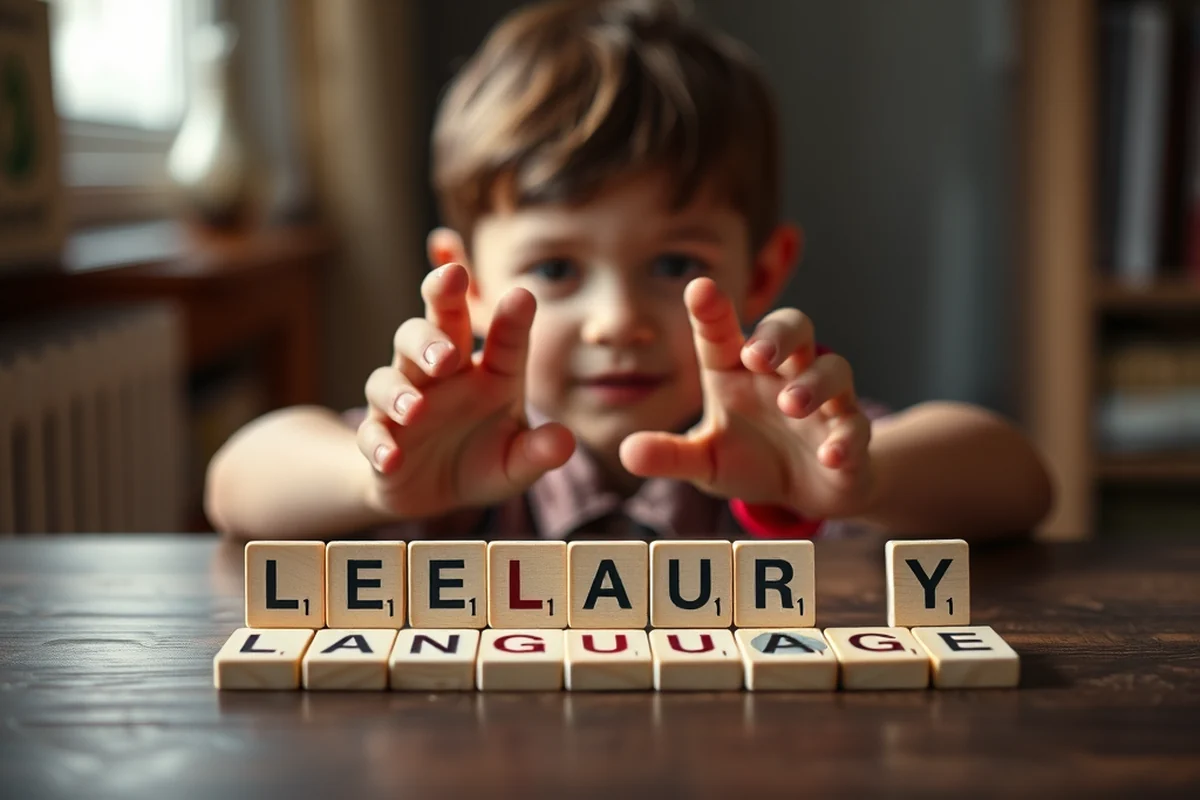
I used to think that learning vocabulary was the main goal of language learning, but I was wrong. Real progress comes from conversation. When my daughter started speaking Spanish with me, her language skills improved drastically. She began forming sentences and using grammar correctly because she was practicing in context.
I made it a point to speak Spanish with her every day, even if it was just for a few minutes. We talked about what she did at school, played guessing games, and practiced simple sentences. This helped her build confidence and fluency over time.
The best part was watching her use Spanish outside of our practice sessions. She began greeting her teachers in Spanish and even helped her little brother with his homework. This showed me that conversation is the key to real language mastery.
Conversation turns words into meaning and builds real fluency.
Related: The best way to learn a language
Related: Top teaching foreign languages certificate
Related: What Is To Learn Spanish
Related: How To How To Learn Spanish
Related: How To Spanish Rice
Related: How To Learn Is English
Related: How To Learn English Pronunciation
How to Use Storytelling to Learn a Language
Storytelling makes language learning fun and memorable. I started reading Spanish stories with my daughter, and she began asking questions about the characters and the plot. This not only helped her learn vocabulary but also improved her comprehension and critical thinking skills.
I noticed that when I told stories in Spanish, my daughter was more motivated to learn and speak the language. She would ask me to repeat words and phrases, and she even started creating her own short stories in Spanish.
This method worked so well that I began using it with my friends who were learning other languages. We would tell each other stories in the target language, and it made the process of learning feel more like a game and less like a chore.
Read or tell stories in the target language to help learners build vocabulary, improve comprehension, and connect emotionally with the language.
“I still remember the first time I sat down with my daughter to learn Spanish.”— Teaching Foreign Languages at Home editors
The Role of Listening in Language Learning
I used to think that learning a language was all about speaking, but I quickly realized that listening is just as important. I started playing Spanish songs and audio lessons in the background while we did other activities. This helped my daughter get used to the sounds and rhythms of the language.
I also made it a point to speak slowly and clearly when communicating with her in Spanish. This helped her understand the language better and improved her pronunciation. Over time, she began to mimic the sounds and speak more confidently.
Listening regularly also helped her develop a better ear for the language. She could now recognize common phrases and even understand simple conversations without much effort.
How to Make Language Learning Fun for Kids
I learned the hard way that forcing children to learn a language can backfire. It's important to make learning fun and interactive. I started using games, songs, and activities to teach Spanish to my daughter. This made the process enjoyable and helped her retain what she learned.
One of the most effective games we played was a memory matching game with Spanish vocabulary. I would show her a picture of an object, say the word in Spanish, and then ask her to find the matching card. This helped her memorize vocabulary in a fun and engaging way.
I also used educational videos that were interactive and colorful. These kept my daughter's attention for longer periods, and she would often repeat the words and phrases she heard. This showed me that making language learning fun is the best way to keep kids engaged and motivated.
Why Consistency Is Key to Language Learning
I used to think that learning a language was about big, intense study sessions. But I was wrong. What made the biggest difference was consistency. I started setting a small goal of 15 minutes a day and sticking to it. This helped my daughter learn more steadily and consistently.[2]
Consistency also helped her retain what she learned. She would practice the same vocabulary and phrases every day, and over time, she began to use them without hesitation. This showed me that even small, consistent efforts can lead to big results.
I've noticed that learners who are consistent are more likely to reach fluency because they're practicing and reinforcing their skills every day. This makes the learning process more efficient and effective.
Consistency builds fluency — it's the quiet work that leads to big results.
How to Stay Motivated While Learning a Language
One of the biggest challenges I faced was staying motivated. Learning a language can be frustrating and slow, and it's easy to lose interest. I found that setting small, achievable goals helped me stay motivated. I would set a goal of learning five new words a day or practicing Spanish for ten minutes each day.
I also made it a point to celebrate small victories. When I reached a goal, I would reward myself with something I loved. This kept me motivated and made the learning process feel more rewarding.
Another way to stay motivated is to find a community of learners. I joined online groups where people were learning the same language, and we would share tips and encouragement. This helped me stay on track and reminded me that I wasn't alone in my journey.
👶 Younger Kids (Ages 3-6)
Use games, songs, and colorful flashcards to teach basic vocabulary and pronunciation in a fun and engaging way.
👦 Older Kids (Ages 7-12)
Incorporate stories, role-play, and grammar practice to help older kids build fluency and confidence in speaking.
📚 No-Prep Version
Use free online resources, videos, and audio clips to teach a language without any materials or preparation.
👥 Group Version
Create a language learning group with friends or family to practice speaking and listening together in a fun and social environment.
🌍 Extension Activity
Explore cultural aspects of the language through films, books, and traditions to deepen understanding and connection.
| The mistake | Why it happens | The fix |
|---|---|---|
| Relying too much on flashcards and memorization. | Flashcards and memorization may help with vocabulary, but they don't teach how to use the language in real situations. | Incorporate conversation, storytelling, and real-life practice to build fluency and confidence. |
| Forcing children to learn a language. | Forcing children to learn can lead to resistance and disinterest in the language. | Make learning fun and engaging by using games, songs, and activities that keep them interested and motivated. |
| Focusing only on speaking and ignoring listening. | Listening is just as important as speaking for developing comprehension and fluency. | Include listening practice through songs, videos, and audio lessons to improve overall language skills. |
| Not practicing consistently. | Language learning requires regular practice to build and retain skills over time. | Set small, achievable goals and practice consistently for even a few minutes each day. |
| Ignoring the cultural aspect of the language. | Ignoring the cultural aspect can make learning feel disconnected and less meaningful. | Explore cultural aspects such as traditions, music, and films to deepen understanding and connection with the language. |
How Is The Best Way To Learn A Language
Common Questions
How long does it take to learn a language?
What are the best resources for learning a language?
How can I keep my child motivated to learn a language?
What if I don't speak the target language well?
References
- How to Learn Any Language Fast and Never Forget It - Academia.edu (academia.edu)
- 10 Tips for Learning English as a New Language (bei.edu)
- 6 ways to learn a new language - USAC blog (blog.usac.edu)
- English Language Learning | Boston Public Library (boston.gov)
Cite this guide
Teaching Foreign Languages at Home (2026). How Is The Best Way To Learn A Language. https://fluentathome.com/how-is-the-best-way-to-learn-a-language/
Feel free to cite or share this guide.