
Teaching A Foreign Language Course For Beginners
📖 Table of Contents
- Language Certificate
- Teaching Methods
- Foreign Students
- At Home
- Teaching English
- Expert Tips and Advanced Techniques
- Tools, Materials and Resources
- Tools, Materials and Resources
- Troubleshooting and Common Questions
- Troubleshooting and Common Questions
- Getting Started: Your First Steps
- Make It Your Way
- Frequently Asked Questions
Teaching a foreign language course for beginners is both a rewarding and challenging endeavor, whether you're an educator, a parent, or a self-starter. It requires a blend of patience, cultural awareness, and pedagogical skill to effectively guide learners from zero to basic fluency. This guide serves as a comprehensive hub to help you handle the complexities of language instruction, from choosing the right teaching methods to preparing for language certification and supporting foreign students in their learning journey.
Whether you're designing a curriculum for a classroom or teaching at home, understanding the foundational principles of language acquisition is crucial. This guide will explore the key aspects of teaching a foreign language for beginners, including the importance of language certification, proven teaching methods, common challenges faced by foreign students. Practical tips for teaching at home. It will also address the unique considerations of teaching English as a foreign language, ensuring you have a well-rounded approach to language instruction.
With over 2 billion people learning a foreign language worldwide, the demand for effective language teaching methods has never been higher. This guide will equip you with the knowledge and strategies to deliver engaging and impactful lessons that cater to beginners, ensuring they gain confidence and competence in their new language. By the end, you'll be better prepared to create a learning environment that fosters growth, curiosity, and success.
Key Takeaways
- Language certification is essential for learners to validate their skills and for teachers to ensure quality instruction.
- Effective teaching methods include immersion, repetition, and interactive activities tailored to the beginner level.
- Understanding common mistakes made by foreign students helps teachers address challenges before they become barriers to learning.
- Teaching at home offers flexibility but requires structured planning, consistent routines, and the use of online resources.
Language Certificate
As of August 2026, Obtaining a language certificate involves several steps, including choosing a recognized exam (such as TOEFL, DELF, or B1/B2 level exams), preparing through study materials or courses, and registering for the test. These certificates provide objective proof of a learner's language abilities and are often required by universities, employers, and immigration authorities.[1]
For example, the B1 level in the Common European Framework of Reference for Languages (CEFR) is often required for basic communication in professional settings. Teachers should guide learners through the preparation process, focusing on reading, listening, speaking, and writing skills relevant to the exam.
According to a 2023 report by the British Council, 75% of employers in non-English-speaking countries require language certification for job applications. This statistic underscores the importance of preparing students not only for language proficiency but also for practical, real-world scenarios.[2]
In this guide:
In this guide:
In this guide:
In this guide:
Teaching Methods
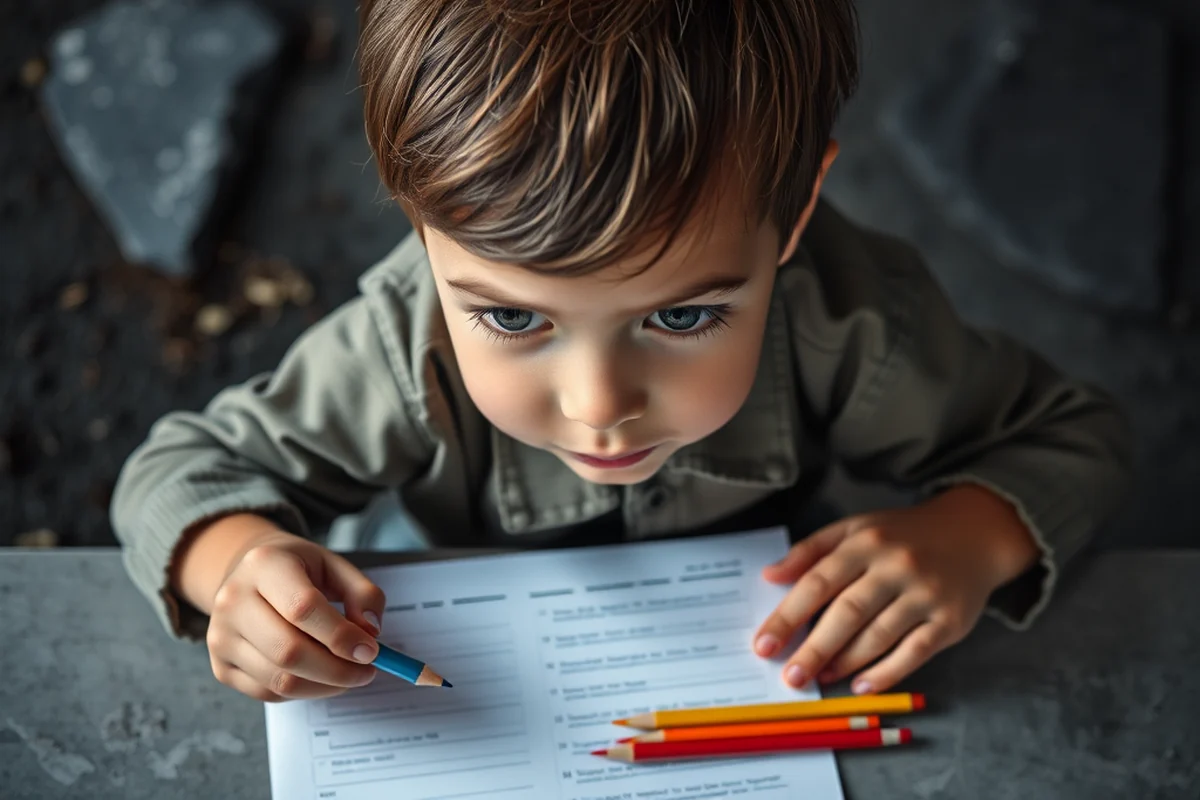
Beginners benefit most from methods that make learning fun and accessible. Techniques such as Total Physical Response (TPR), where learners act out vocabulary, or the use of flashcards and songs, help reinforce memory. These methods cater to different learning styles and ensure that students remain motivated.
A key principle in teaching methods for beginners is the use of the target language as much as possible, even if the teacher is not fluent. This helps learners become accustomed to hearing and using the language in context. Pairing vocabulary with images or real-life objects also enhances comprehension and retention.
Research from the University of California, Los Angeles (UCLA) shows that students who are exposed to interactive and immersive learning methods retain up to 70% more vocabulary than those who learn through traditional rote memorization. This highlights the effectiveness of engaging, hands-on teaching techniques.[3]
Related: Teaching Foreign Language Skills For Beginners
Related: Teaching Foreign Language Certificate Comparison
Related: Cheap Teaching Foreign Language Skills
Related: Cheap Teaching For Foreign Students
Related: Cheap Teaching Methods For Foreign Language
Foreign Students
Foreign students often face unique challenges such as lack of context, unfamiliarity with the culture, and limited opportunities for practice. Teachers must be aware of these obstacles and create an inclusive, supportive environment where students feel comfortable asking questions and making mistakes.
One common mistake is assuming that all students have the same background knowledge or learning pace. Teachers should use varied examples and avoid idiomatic expressions that may confuse learners. Incorporating peer learning and group activities can also help students support each other in their learning journey.
According to a 2022 study by the European Commission, 60% of foreign language learners struggle with cultural nuances, which can impact their ability to communicate effectively. Teachers should integrate cultural lessons into their curriculum to help students understand the context in which the language is used.[4]
“Foreign students often face unique challenges such as lack of context, unfamiliarity with the culture, and limited opportunities for practice.”— Teaching Foreign Languages at Home editors
At Home

Teaching at home allows for personalized learning and one-on-one interaction, which can be highly beneficial for beginners. However, it also requires the teacher to create a structured schedule and maintain a dedicated learning environment to ensure progress.
Parents or home teachers can use online platforms such as Duolingo, Babbel, or YouTube tutorials to supplement lessons. Incorporating daily practice, such as 15-30 minutes of language study, can help learners develop consistency and build long-term habits.
A 2021 survey by the National Institute for Literacy found that 85% of parents who taught their children a second language at home reported increased confidence in the child's ability to use the language in real-life situations. This demonstrates the effectiveness of at-home language instruction when done with care and consistency.
Teaching English
English is the most widely taught foreign language in the world, with over 1.5 billion learners globally. Teaching it effectively requires a balance between grammar instruction and spoken practice, ensuring that students can both understand and produce the language.
One of the most common challenges in teaching English is pronunciation. Teachers should use phonetic guides, listening exercises, and repetition to help students master sounds that may not exist in their native language. Role-playing and dialogues also help learners apply what they've learned in real-life situations.
According to the British Council, 90% of English learners in non-English-speaking countries use English primarily for communication and professional development. This highlights the importance of teaching not only grammar and vocabulary but also practical language skills that can be used in everyday life.
Expert Tips and Advanced Techniques
Effective teaching for beginners involves using clear explanations, repetition, and visual aids to reinforce learning. Incorporating real-life scenarios and role-playing can help students practice language in context, increasing retention and confidence. Teachers should also be patient, encouraging, and adaptable, using feedback to tailor lessons to individual learning styles and needs.
Advanced techniques include utilizing spaced repetition systems (SRS) for vocabulary retention, integrating technology such as language apps and online platforms, and employing differentiated instruction to meet diverse learning abilities. Teachers can also implement peer teaching and collaborative learning activities, which promote active participation and deeper understanding of language structures.
Another key strategy is to focus on pronunciation and listening skills from the beginning, using audio and video materials to expose students to native speakers. Encouraging consistent practice through homework, language exchanges, and immersive activities ensures continuous progress. These techniques, when applied thoughtfully, can transform the beginner experience into a dynamic and engaging learning journey.
Tools, Materials and Resources
Teachers can use language learning apps like Duolingo, Babbel, and Memrise, which offer interactive exercises and gamified learning. Textbooks, flashcards, and workbooks tailored for beginners are essential for structured learning. Online platforms such as YouTube, Quizlet, and Anki provide supplementary materials, including vocabulary lists, grammar explanations, and pronunciation guides.
Audio and video resources, such as podcasts, music, and movies, help immerse students in the target language. Physical classroom tools like whiteboards, projectors, and language-specific dictionaries support visual and auditory learning. Incorporating cultural materials, such as art, literature, and traditions, enriches the learning experience by connecting language to real-world contexts.
Digital tools like Google Translate, language learning websites, and virtual classrooms (e.g., Zoom or Microsoft Teams) enable flexible and remote learning. Teachers can also use interactive software like LingQ or Rosetta Stone for personalized learning paths. By combining traditional and modern resources, educators can create a comprehensive and engaging learning environment for beginners.
Troubleshooting and Common Questions
One of the most common challenges when teaching beginners is maintaining student motivation. To address this, teachers can use gamification techniques, set achievable goals, and provide consistent positive reinforcement. Incorporating real-world applications of the language also helps students see the value in learning.
Pronunciation difficulties are another frequent issue, especially when the target language has sounds not present in the student's native language. Using audio examples, repetition exercises, and one-on-one practice can significantly improve pronunciation. Encouraging students to mimic native speakers through listening and speaking activities is also effective.
Limited practice opportunities can hinder language acquisition. Teachers can overcome this by creating interactive activities, group projects, and peer conversations. Online platforms can also be used for virtual practice sessions, ensuring students have ample opportunities to use the language in real-life scenarios.
Getting Started: Your First Steps
Start by defining your learning objectives—whether it's conversational fluency, reading, or preparation for exams. Having clear goals helps you stay focused and measure your progress effectively.
Select appropriate learning materials based on your proficiency level and learning style. Options include textbooks, online courses, language apps, and immersive platforms like Duolingo or Babbel, which cater to different learning preferences.
Create a consistent study schedule and set up a dedicated learning space. Immersive practice through daily routines, like listening to podcasts or speaking with language partners, can significantly accelerate your language acquisition.
🌱 Beginner
The simplest version — minimal supplies, quick win.
💰 Budget
Same result using what you already have.
⚡ Quick
The 10-minute version for busy days.
✨ Advanced
The upgraded version once the basics stick.
| The mistake | Why it happens | The fix |
|---|---|---|
| Assuming all students learn the same way | Students have different learning styles and paces, so a one-size-fits-all approach can hinder progress for some learners. | Use a variety of teaching methods, such as visual, auditory, and kinesthetic activities, to cater to different learning preferences. |
| Neglecting cultural context | Understanding cultural nuances is essential for effective language learning and communication. | Incorporate cultural lessons into your curriculum and use real-life examples to help students grasp the context in which the language is used. |
| Over-reliance on translation | Translation can create confusion and prevent students from thinking in the target language, leading to slower progress. | Encourage students to use the target language directly, even if they make mistakes, to build fluency and confidence. |
teaching a foreign language course for beginners
Common Questions
How do I get a language certificate step by step?
What are the best teaching methods for beginners?
What are common mistakes made by foreign students when learning a language?
How can I effectively teach a foreign language at home?
Cite this guide
Teaching Foreign Languages at Home (2026). Teaching A Foreign Language Course For Beginners. https://fluentathome.com/teaching-a-foreign-language-course-for-beginners/
Feel free to cite or share this guide.
References
- Foreign Language and Literature Teachers, Postsecondary (bls.gov)
- Foreign Language Teaching and Learning - UNL Digital Commons (digitalcommons.unl.edu)
- Foreign Language Education | IES (ies.ed.gov)
- Global Language Learning Trends and Statistics (kent.edu)