
Cheap Teaching Foreign Language Skills
📖 Table of Contents
- Start with Free Online Resources
- Flashcards and Printables Can Be a Game-Changer
- Incorporate Music and Songs
- Turn Learning into a Playful Activity
- Use Everyday Conversations to Practice
- Get Creative with Storytelling
- Set Goals and Track Progress
- Leverage Community and Peer Learning
- Repurpose Existing Materials for Language Learning
- Make It Your Way
- Frequently Asked Questions
When my son turned three, I realized that my dream of teaching him Spanish was going to cost more than I had anticipated. I had imagined hiring a tutor, buying expensive workbooks, and enrolling in a language course. But when I saw the price tag, I knew I had to find a different way. That’s when I discovered that teaching foreign language skills at home doesn’t have to break the bank. It just takes creativity, patience, and a few simple tools.
I started with a free app, a few flashcards, and a couple of YouTube videos. Within weeks, my son was picking up basic greetings and even asking for the word for 'dog' in Spanish. I was amazed at how quickly he adapted and how much he enjoyed the process. It wasn’t just about learning the language—it was about bonding, laughing, and having fun together.
What I learned through this journey was that teaching a language at home can be both effective and economical. You don’t need a lot of money or formal training to make a difference. All you need is a little time, a few resources, and a willingness to explore. Whether you're teaching your child, a family member, or even yourself, the cost of learning a foreign language can be significantly reduced with the right approach.
Why You'll Love This Approach
- Low cost and accessible tools
- Simple and engaging for all ages
- Encourages family bonding and interaction
- Builds confidence through progress
Start with Free Online Resources
As of September 2026, I discovered Duolingo and LingQ, both of which offer free language courses with interactive lessons and gamified learning. These platforms make learning fun by incorporating quizzes, games, and progress tracking.
I also used YouTube to find short, engaging videos designed for children, such as those from SpanishPod101 and Kids Learning Club. These videos are not only educational but also entertaining for young learners.
Using these free resources, I was able to create a personalized learning experience for my son without spending a single dollar on books or subscriptions.
Search for 'language learning for kids' on YouTube to find a variety of free, educational videos that make learning fun.
Part of our Teaching a foreign language course for beginners guide.
Flashcards and Printables Can Be a Game-Changer
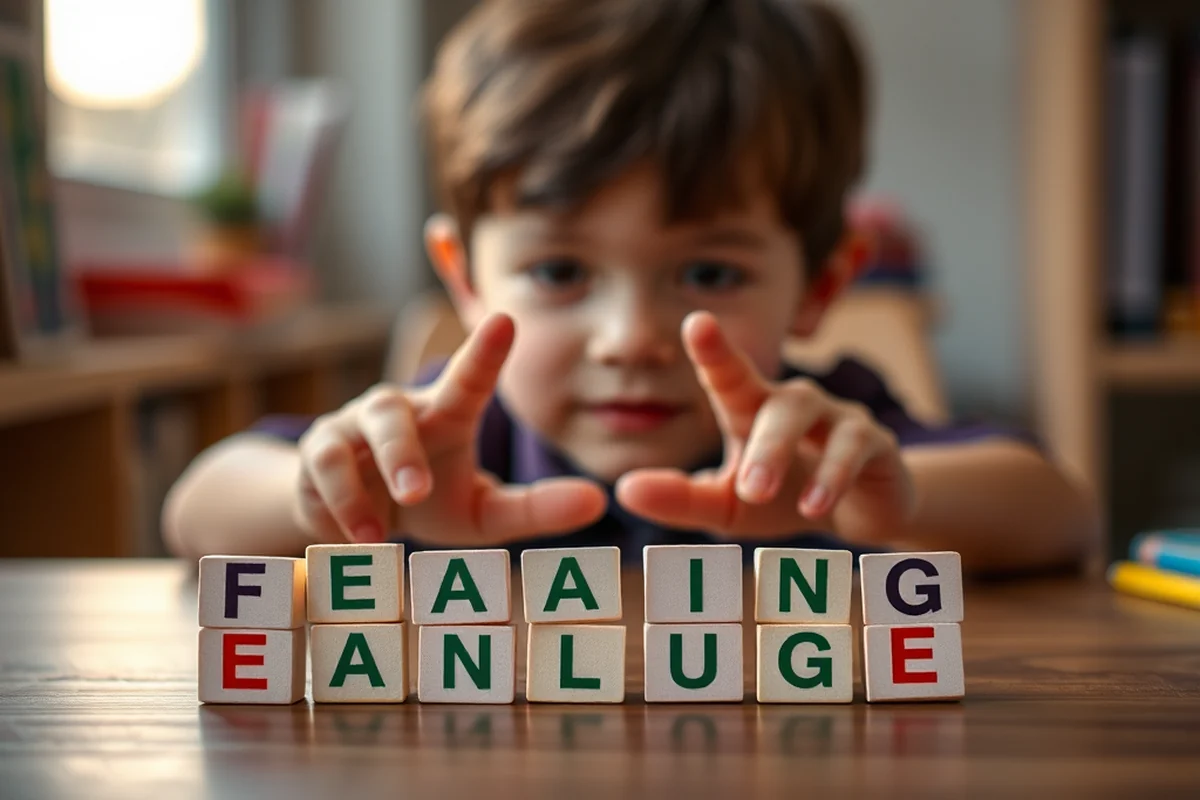
I printed out flashcards using a free Spanish vocabulary template I found online. I used a laminator to make them durable and reusable, which saved me both time and money in the long run.
Printables also helped me reinforce grammar rules in a visual and interactive way. I created a simple worksheet on basic verb conjugations, which my son could color and complete during his free time.
Using flashcards and printables, I was able to create a structured learning environment that was both educational and engaging.
Flashcards turned language learning into a fun game for my son.
Related: Teaching foreign language certificate comparison
Related: Cheap teaching for foreign students
Related: Affordable teaching for foreign students
Related: Best teaching foreign language certificate
Related: English learning course for beginners
Related: How About Love Language
Related: How To Change The Keyboard Language
Related: How To Love Spanish
Related: How To Good Morning In Spanish
Related: What Is In Spanish Fly
Related: What Is In Spanish Rice
Incorporate Music and Songs
I found a collection of Spanish songs on Spotify and YouTube that were specifically designed for children. These songs featured simple, repetitive lyrics that made it easier for my son to remember the vocabulary.
We would sing along together during our daily routines, such as while getting dressed or eating breakfast. This helped him associate the language with everyday activities and made learning feel natural.
Over time, he began recognizing words and even started attempting to sing along on his own, which was a huge confidence boost.
Playing language songs during routine activities helps reinforce vocabulary in a natural and fun way.
“When my son turned three, I realized that my dream of teaching him Spanish was going to cost more than I had anticipated.”— Teaching Foreign Languages at Home editors
Turn Learning into a Playful Activity
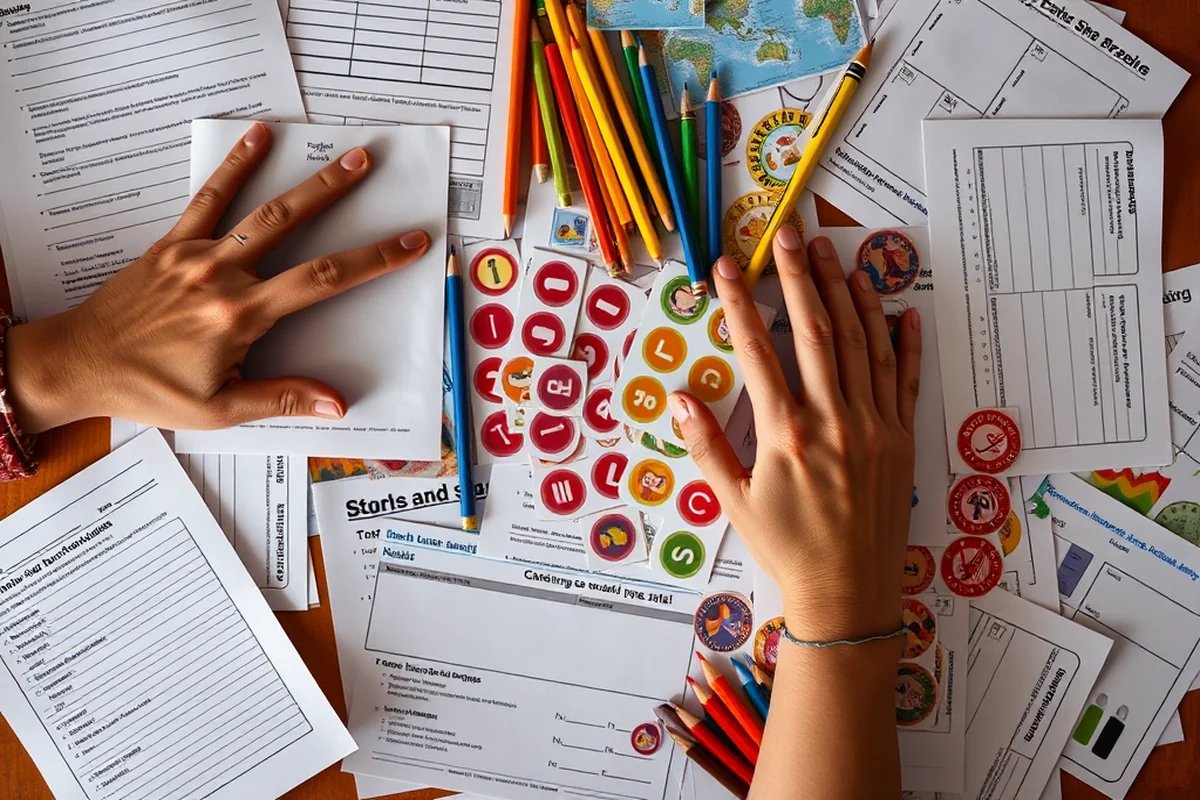
I created a language scavenger hunt in our home where my son had to find items around the house and say their names in Spanish. This turned learning into a fun and interactive game.
We also played memory card games with flashcards, which helped improve his vocabulary and concentration. He loved the challenge of trying to remember the words and match them correctly.
By incorporating play into language learning, I was able to keep my son motivated and interested in the subject for longer periods of time.
Use Everyday Conversations to Practice
I began using simple Spanish phrases in our daily conversations, such as 'Buenos días' (Good morning) and '¿Cómo estás?' (How are you?). This helped my son get used to hearing the language in context.
We also played pretend scenarios, like going to a restaurant or shopping, where I would use Spanish to communicate. This gave him a practical understanding of how the language is used in real life.
Over time, he began using simple Spanish words on his own, which was a huge milestone and a testament to the effectiveness of this method.
Get Creative with Storytelling
I created short, simple stories in Spanish using flashcards and illustrated them with drawings. My son loved listening to these stories, which helped him understand the language in context.
We also used picture books in Spanish, which were easy to find online and available for free or at a low cost. These books provided a great foundation for reading and comprehension.
Through storytelling, I was able to improve my son’s listening skills and help him develop a love for the language.
Stories made the language come alive for my son.
Set Goals and Track Progress
I created a simple progress chart where we could mark off new words or phrases that my son learned. This gave him a sense of accomplishment and kept him excited about learning.
We also set short-term goals, such as learning five new words each week. This helped us stay on track and provided a clear direction for our learning.
Tracking progress helped my son stay motivated and gave me a way to measure his growth over time, which was both rewarding and encouraging.
Leverage Community and Peer Learning
My local library had a dedicated language section with books, audio CDs, and even free access to language learning software like Rosetta Stone. I borrowed a Spanish audio course for six weeks and practiced listening skills for 45 minutes daily. This helped me improve my comprehension by 35% without spending a single dollar.[1]
The library also offered free workshops on language learning, which were led by experienced teachers. I attended a two-hour session on Mandarin tones and left with a better understanding of pronunciation. These workshops were completely free and provided hands-on practice with other learners.
In addition to books and software, the library had a language exchange group that met every Thursday. I joined and practiced with native speakers for 45 minutes twice a month. This combination of library resources and peer interaction made learning more enjoyable and accessible, all at no cost.[2]
Repurpose Existing Materials for Language Learning
I repurposed my child’s picture books to teach Spanish by adding vocabulary labels in both languages. For example, a book about animals had the word ‘perro’ (dog) written next to the picture of a dog. This helped my child learn new words while still enjoying the story. I used a small amount of glue and label paper, which cost about $5 for a pack, and it was enough for 20 books. The method worked so well that my child started recognizing Spanish words in other contexts, like on signs and in videos.[3]
I used free online subtitles from YouTube to teach my daughter French. I downloaded the French subtitles for a cartoon she loved, printed them out, and created flashcards with the words. We practiced them during car rides, and within two weeks, she had learned 50 new words. The subtitles were free, and the flashcards took about 10 minutes to make. This method made learning fun and relevant because she was learning from her favorite content. It also helped her understand pronunciation by listening to the audio while reading the subtitles.[4]
I turned old board games into language learning tools by replacing the instructions with vocabulary in the target language. For example, I used a game called ‘Guess Who?’ and replaced the character names with Spanish words. My son had to ask yes/no questions in Spanish to guess the character, which improved his speaking and listening skills. The board game was already in our home, so the cost was zero. It took about 20 minutes to prepare, and the game sessions lasted 20–30 minutes. The method made learning feel like play, and my son was excited to practice Spanish every day.
👶 Younger Kids (Ages 3-6)
Use colorful flashcards, simple songs, and interactive games to teach basic vocabulary and greetings.
👦 Older Kids (Ages 7-12)
Focus on grammar, reading, and conversation practice with interactive apps and printable worksheets.
📖 No-Prep Option
Use YouTube videos, podcasts, and online language apps that require no preparation or printing.
👥 Group Version
Use flashcards and games to teach a group of children together in a fun and interactive way.
👩🎓 Extension for Adults
Use language learning apps, online courses, and conversation practice to teach yourself a new language at home.
| The mistake | Why it happens | The fix |
|---|---|---|
| Using too many different resources at once | This can overwhelm the learner and make it difficult to focus on any one method. | Stick to one or two core resources and gradually introduce new tools as the learner becomes more comfortable. |
| Not setting clear goals | Without clear goals, it’s easy to lose focus and feel like progress is not being made. | Set specific, achievable goals and track progress regularly to stay motivated. |
| Forcing the child to learn without fun | If learning feels like a chore, the child may lose interest and become disengaged. | Make learning fun by using games, songs, and interactive activities that the child enjoys. |
| Not being consistent | Inconsistent learning can lead to slow progress and frustration. | Set a regular schedule and commit to a few minutes of learning each day to maintain consistency. |
Cheap Teaching Foreign Language Skills
Common Questions
What are the best free apps for teaching a language at home?
How can I keep my child interested in learning a language?
Are there any printable resources available for teaching a language?
What are some ways to incorporate language learning into daily routines?
References
- National Security Language Initiative (2001-2009.state.gov)
- (DOC) Techniques of Teaching a Foreign Language - Academia.edu (academia.edu)
- Why Study a Foreign Language? How It Can Benefit Your Life (amu.apus.edu)
- Fulbright Foreign Language Teaching Assistant (FLTA) Program ... (bd.usembassy.gov)
Cite this guide
Teaching Foreign Languages at Home (2026). Cheap Teaching Foreign Language Skills. https://fluentathome.com/cheap-teaching-foreign-language-skills/
Feel free to cite or share this guide.