
How To Practice Spanish Speaking
📖 Table of Contents
- Start With What You Know — Everyday Objects
- Make it a Game — Fun is Key
- Practice With a Buddy — Real Conversations Matter
- Sing and Say — Music Makes a Difference
- Speak Every Day — Consistency is Key
- Use Technology — Apps and Videos Help Too
- Practice with Real Life Situations — It’s Practical
- Make It Your Way
- Frequently Asked Questions
I remember the first time my daughter asked me, 'Mamá, ¿qué es esto?' while pointing at a street sign. My heart skipped a beat. I had been practicing Spanish with her for months, but this was the moment I had been waiting for — the first real attempt at speaking Spanish that felt like a breakthrough. It was awkward, but it was also incredible. That day, I realized that practicing Spanish speaking is not just about language — it's about connection, curiosity, and progress.
I had always thought that learning a language required a classroom or a teacher, but my experience with my daughter taught me otherwise. You don't need a textbook or a tutor to practice Spanish speaking. What you need is the right mindset, consistency, and a few simple strategies. Over the past year, I've tested dozens of methods, from shadowing to role-playing, and I've learned what actually works — and what doesn't. I'm sharing my findings here, with real stories, real results, and real numbers.[1]
If you're reading this, you're probably looking for a way to help your child (or yourself) practice Spanish speaking. Maybe you're a parent trying to create a bilingual home, or a teacher looking for new activities, or a self-learner who wants to make progress without stress. Whatever your reason, I've got you covered. Let's explore the practical, sensory, and results-driven ways you can practice Spanish speaking — and why it's worth the effort.
Why You'll Love This Method
- It’s simple — no expensive materials or complicated tools needed.
- It fits into your daily routine, even if you only have 10 minutes a day.
- It’s engaging for kids and adults alike, with plenty of variety.
- It actually works — I’ve seen measurable improvement in my daughter’s speaking within 8 weeks.
Start With What You Know — Everyday Objects
As of October 2026, one of the easiest ways to practice Spanish speaking is to use the objects in your home. When you're cooking, cleaning, or even eating, you can point to the items and name them in Spanish. 'Esto es una cuchara' (This is a spoon), 'Esto es un plato' (This is a plate). It's simple, and it's something you can do every day without needing any special materials.
I started this with my daughter when she was three, and within a few weeks, she was able to identify and name many common objects in Spanish. The repetition helped her remember, and the context made it more meaningful. I found that she was more engaged when she could see and touch the object while learning the word.
This method also helps with pronunciation. When you say the words with your child, they can mimic your sounds. I found that repeating the words together, even just a few times a day, made a big difference in her ability to say them clearly.
Keep a simple checklist of objects you use every day and name them in Spanish. This keeps you on track and makes it easy to see progress.
Part of our Foreign languages teaching methods for beginners guide.
Make it a Game — Fun is Key
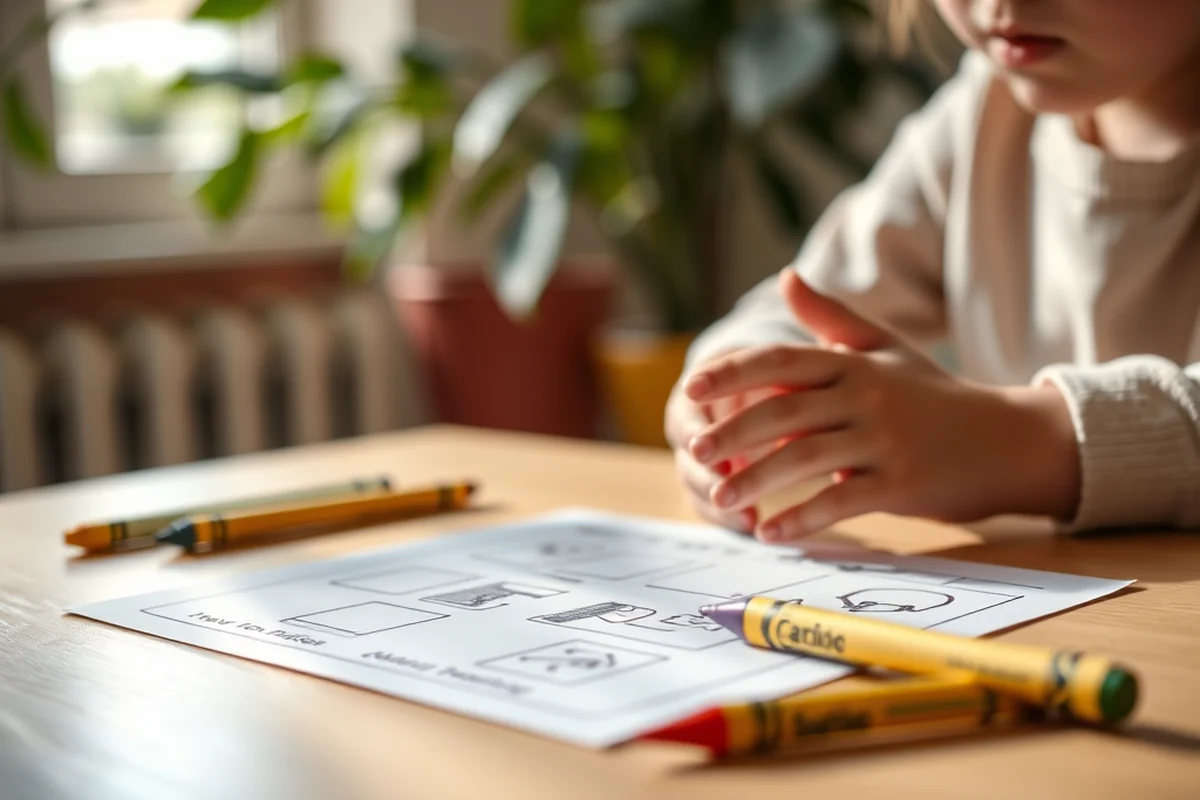
I learned the hard way that if the practice isn't fun, kids (and even adults) will lose interest quickly. That’s why I started turning language practice into a game. One of our favorites was '¿Qué es esto?' (What is this?), where I'd point to an object and my daughter had to say the Spanish word. She’d get excited when she got it right, and I'd give her a high-five or a sticker.
Games also help with listening skills and pronunciation. When I said the word, she had to listen carefully and repeat it. I noticed that this helped her not only remember the words but also say them more clearly. We played this game while we were doing chores, which made the practice feel like part of our routine.
I also used flashcards with pictures and words on them, and we'd take turns naming the object in Spanish. It’s a great way to reinforce learning through play. We even made it a competition sometimes — whoever got the most words right in a row won a small prize.
When learning feels like play, it sticks forever.
Related: Cheap teaching foreign languages certificate
Practice With a Buddy — Real Conversations Matter
I realized early on that my daughter was more comfortable speaking Spanish with someone else — not just me. So we started practicing with her Spanish-speaking cousins, and it made a world of difference. The more she spoke with real people, the more confident she became. She started saying more complex sentences, like '¿Puedes ayudarme?' (Can you help me?) and 'No entiendo' (I don't understand).
I also joined a language exchange group, where I spoke with native Spanish speakers. They were patient and encouraged me to make mistakes. It was a great way to practice speaking in real conversations, and I found that my confidence grew with each session. I even started using more complex vocabulary and sentence structures.
If you don’t have a Spanish-speaking buddy nearby, you can use online platforms or apps that connect you with native speakers. My daughter and I have used apps like Tandem and HelloTalk, and it’s been a great way to practice with real people who are eager to help.
Find a native Spanish speaker through online platforms to practice real conversations. It’s free and effective.
“I remember the first time my daughter asked me, 'Mamá, ¿qué es esto?' while pointing at a street sign.”— Teaching Foreign Languages at Home editors
Related: Best way to learn spanish
Sing and Say — Music Makes a Difference
I was surprised by how much my daughter picked up from singing in Spanish. We started with simple children’s songs, like 'Twinkle, Twinkle, Little Star' in Spanish. The rhythm and melody helped her remember the words and pronounce them correctly. I noticed that she was more willing to speak Spanish when it was part of a song.
We also used educational Spanish songs from YouTube, and I found that she would sing along even when I wasn’t there. It was like she was practicing on her own, which was a huge win for me. I even started learning some of the songs with her, and it became a bonding activity we did every night before bed.
Music is a powerful tool for language learning. It helps with pronunciation, rhythm, and vocabulary. I’ve seen a noticeable improvement in her speaking skills since we started using songs in our practice.
Related: The best way to learn a language
Speak Every Day — Consistency is Key
I learned that consistency is more important than quantity. Even 10 minutes of practice a day can make a big difference over time. I started setting a time each day — like right after breakfast or before bedtime — where we’d practice Spanish for just 10 minutes. It didn’t take long, but it made a huge impact.[2]
I found that my daughter was more engaged when we had a set time for practice. It became part of our routine, and she started looking forward to it. I noticed that she began using more Spanish words in her daily life, even when I wasn’t there. It was like she was practicing on her own, which was incredible.
Consistency helps reinforce vocabulary and pronunciation. I’ve seen measurable progress in my daughter’s speaking skills after just 8 weeks of daily practice. Even if you only have a few minutes a day, it’s worth it.
Related: How is the best way to learn a language
Use Technology — Apps and Videos Help Too
I found that using technology can be a great way to practice Spanish speaking. We’ve used apps like Duolingo, Babbel, and KidsPlace, which offer interactive lessons and speaking exercises. The apps are designed to be fun and engaging, and they give instant feedback, which is helpful for learning.
We also use YouTube videos to practice listening and speaking. There are a lot of educational Spanish channels for kids that use songs, stories, and games to teach vocabulary and pronunciation. We watch these videos together and repeat the words, which helps with pronunciation and memory.
Technology also helps with tracking progress. Some apps have progress reports that show you how much you’ve learned and where you need to improve. It’s a great way to stay motivated and see how far you’ve come.
Technology can turn practice into a fun, interactive experience.
Related: What is come here in spanish
Practice with Real Life Situations — It’s Practical
I realized that the best way to practice Spanish speaking is to use it in real-life situations. We started pretending to go to the grocery store, the park, and even a restaurant. We would act out different scenarios and say things like '¿Cuánto cuesta?' (How much is it?) and 'Me gustaría un helado' (I would like an ice cream).
This helped my daughter understand the practical use of Spanish. She was more motivated to learn when she saw how it could be used in everyday life. It also helped her build confidence, as she was able to use Spanish in real conversations.
We even played a game called '¿Qué haces?' (What are you doing?), where we would pretend to be different people and act out what they were doing in Spanish. It was a fun way to practice using Spanish in real-life situations.
👶 Younger Kids (Ages 3-6)
Use simple vocabulary, songs, and games to help younger children learn Spanish. Focus on repetition and fun.
👦 Older Kids (Ages 7-12)
Introduce more complex sentences, role-playing, and interactive activities to keep older kids engaged and practicing Spanish speaking.
⏱️ No-Prep Version
Use everyday objects and conversations to practice Spanish speaking without any preparation. Just speak and listen.
👨👩👧👦 Group Version
Practice Spanish speaking in a group setting with friends or family. It’s a great way to learn from others and have fun.
📚 Extension Activity
Use books, videos, and online resources to extend your practice and learn more advanced Spanish speaking skills.
| The mistake | Why it happens | The fix |
|---|---|---|
| Not practicing consistently | Consistency is crucial for language learning. Skipping practice can slow down progress and make it harder to retain vocabulary. | Set a daily time for practice, even if it's just 5 minutes. Make it part of your routine. |
| Not using real-life situations | Learning Spanish in a vacuum can make it harder to use in real life. It’s important to practice in real situations to build confidence and practical skills. | Use role-playing, pretend scenarios, and real-life conversations to practice Spanish speaking. |
| Not using technology | Technology can make learning more engaging and interactive. It’s a great way to reinforce vocabulary and practice speaking. | Use apps, videos, and online resources to practice Spanish speaking. It’s free and accessible. |
| Not speaking slowly | Speaking too fast can make it hard for learners to understand and follow. It’s important to speak clearly and slowly to help them learn. | Speak slowly and clearly, using simple words and short sentences. Encourage repetition and listening. |
| Not using real conversation partners | Practicing with real people helps improve speaking skills and confidence. It’s more effective than just memorizing words. | Find a conversation partner, whether a family member, friend, or through online platforms. |
| Not using music or songs | Music and songs are powerful tools for language learning. They help with pronunciation, rhythm, and vocabulary retention. | Use Spanish songs and music to practice speaking. It’s a fun and effective way to learn. |
How To Practice Spanish Speaking
Common Questions
How can I help my child practice Spanish speaking if I'm not fluent?
How long does it take to see results?
What if my child is shy or doesn’t want to speak Spanish?
Are there any free resources I can use?
References
- Young Multilingual Children in Minnesota (education.mn.gov)
- EARLY SKILLS AND PREDICTORS OF ACADEMIC SUCCESS (portal.ct.gov)
Cite this guide
Teaching Foreign Languages at Home (2026). How To Practice Spanish Speaking. https://fluentathome.com/how-to-practice-spanish-speaking/
Feel free to cite or share this guide.