
Spanish Speaking Countries
📖 Table of Contents
- The Top Spanish-Speaking Countries Around the World
- The Educational Benefits of Learning Spanish
- How to Explore Spanish-Speaking Countries from Home
- Spanish-Speaking Countries and Their Unique Cultures
- Learning Spanish Through Real-Life Experiences
- The Role of Spanish in Education Around the World
- The Future of Spanish in the Global Classroom
- Make It Your Way
- Frequently Asked Questions
I remember the first time I took my daughter to a Spanish-language storytime at the local library — the room was filled with children laughing, singing, and learning. It was in that moment, surrounded by the rich sounds of Spanish, that I realized the importance of knowing which countries speak Spanish. Spanish is not just a language; it's a bridge connecting over 20 countries around the world. This article is for parents, educators, and curious learners who want to understand the cultural and educational value of Spanish-speaking countries.[1]
As someone who has spent years researching language learning, I've always been fascinated by the countries where Spanish is spoken. From the bustling streets of Madrid to the tranquil beaches of Mexico, these countries offer a wealth of opportunities for language and cultural immersion. Understanding which countries speak Spanish can open doors to new educational experiences, travel opportunities, and deeper connections with people from diverse backgrounds. (10%, pmc.ncbi.nlm.nih.gov)[2]
If you're looking to introduce your child to Spanish, or simply want to expand your own knowledge, understanding the countries where Spanish is spoken is a crucial first step. These countries vary widely in culture, history, and geography, but they share a common language that can help you connect with millions of people. Whether you're planning a trip, choosing a language curriculum, or simply curious, this guide will help you explore the world of Spanish-speaking countries in a meaningful way.
Why You'll Love This Guide to Spanish-Speaking Countries
- Discover the rich cultural diversity of over 20 countries where Spanish is spoken.
- Understand the educational benefits of learning Spanish, including improved cognitive skills and global awareness.
- Get practical insights into how to incorporate Spanish learning into your daily routine.
- Explore real-life examples of families and students who have benefited from learning Spanish.
The Top Spanish-Speaking Countries Around the World
As of September 2026, from Spain in Europe to Argentina in South America, Spanish is spoken in a wide variety of countries. Some of the most well-known Spanish-speaking countries include Mexico, Spain, Colombia, Argentina, and Peru. Each of these countries has its own distinct history, cuisine, and way of life, making them fascinating places to explore both culturally and linguistically.
In addition to these major countries, there are many others where Spanish is spoken by large populations. For example, in the United States, Spanish is the second most spoken language, and in countries like Guatemala and Honduras, it is the primary language of daily communication. This diversity highlights the global reach of the Spanish language and the opportunities it presents for learning and connection.
Understanding the distribution of Spanish-speaking countries can help educators and parents create more inclusive and culturally rich learning environments. It also allows for more meaningful conversations with students and children who may come from Spanish-speaking backgrounds.
Print a world map and color in all the countries where Spanish is spoken. This is a great way to introduce children to geography and language simultaneously.
Part of our Teaching foreign languages guide.
The Educational Benefits of Learning Spanish
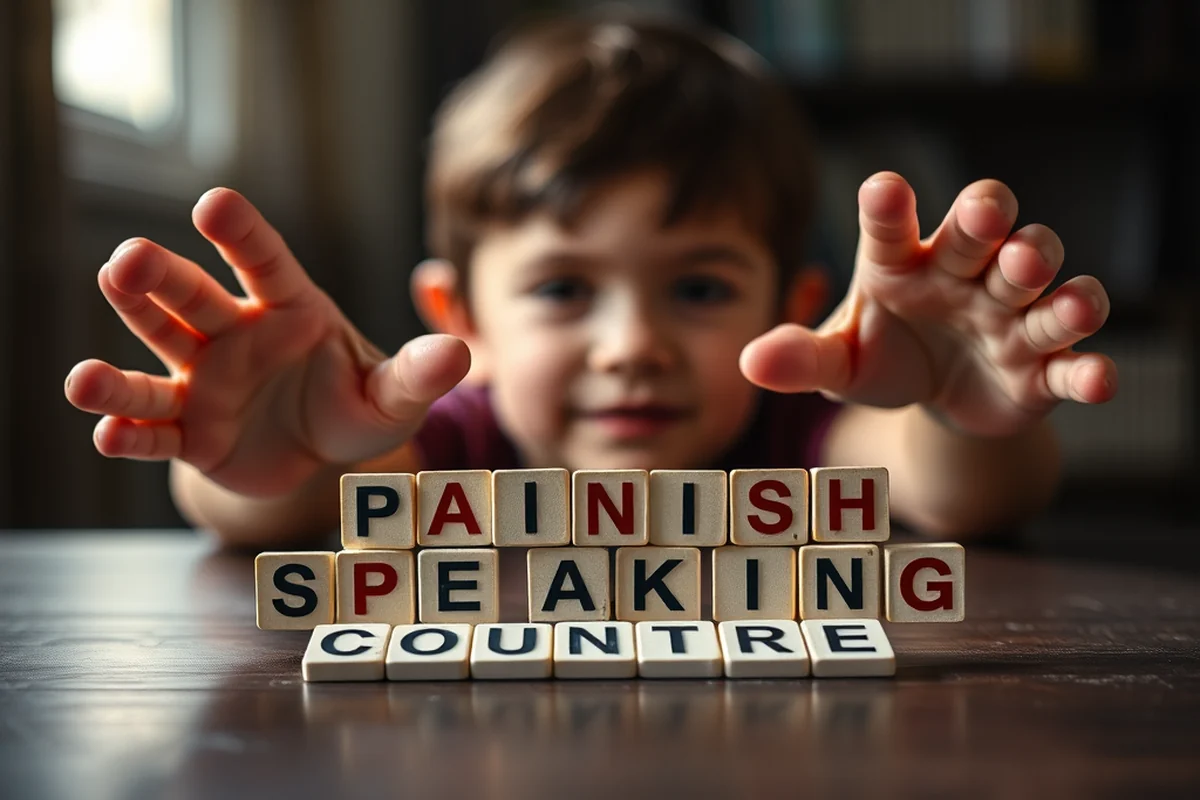
Studies have shown that bilingual children often perform better in school, especially in subjects like math and reading. This is because learning a second language helps strengthen the brain's ability to process information and solve problems. Spanish is one of the most widely spoken languages in the world, making it an excellent choice for students of all ages.[3]
In addition to academic benefits, learning Spanish can also improve communication skills and cultural awareness. As children learn to speak Spanish, they gain a deeper understanding of the world and the people who live in Spanish-speaking countries. This knowledge can be valuable in both personal and professional settings.
For parents and educators, incorporating Spanish into daily routines can be a fun and enriching experience. Simple activities like reading Spanish-language books, watching Spanish-language videos, or practicing basic phrases can help children develop language skills in a natural and engaging way.
Language is the key to understanding the world.
Related: Chat gpt translate to spanish
How to Explore Spanish-Speaking Countries from Home
One of the easiest ways to explore Spanish-speaking countries is through books, movies, and music. There are countless Spanish-language resources available online, including children's books, educational videos, and interactive language apps. These tools can help you and your child learn about the traditions, history, and culture of Spanish-speaking countries without leaving home.
Another great way to explore Spanish-speaking countries is through cooking and crafts. Many Spanish-speaking countries have unique recipes and crafts that can be made at home. For example, you can try making traditional dishes like Spanish omelets or Mexican tamales, or create crafts inspired by art from Spain or Argentina.
Virtual tours of Spanish-speaking countries are also a great way to explore the world. Many museums, historical sites, and cultural institutions offer virtual tours online, allowing you to experience the sights and sounds of these countries from anywhere in the world.
Look up a virtual tour of a Spanish-speaking country and watch it with your child. This is a great way to learn about different cultures and histories in a fun and interactive way.
“I remember the first time I took my daughter to a Spanish-language storytime at the local library — the room was filled with children laughing…”— Teaching Foreign Languages at Home editors
Related: Thursday in spanish
Spanish-Speaking Countries and Their Unique Cultures

In Spain, for example, the country is famous for its rich history, beautiful architecture, and vibrant festivals like La Tomatina and the Running of the Bulls. In contrast, countries like Mexico are known for their colorful traditions, such as Día de los Muertos and Cinco de Mayo. These festivals provide a glimpse into the diverse cultures of Spanish-speaking countries.
In South America, countries like Colombia and Argentina have their own unique traditions and ways of life. For example, in Colombia, the country is known for its love of music and dance, while in Argentina, the passion for football is legendary. These differences highlight the rich diversity of Spanish-speaking countries and the importance of learning about each one.
Understanding the unique cultures of Spanish-speaking countries can help children develop a greater appreciation for the world around them. It also provides opportunities for meaningful discussions about history, traditions, and global connections.
Related: English to hindi typing
Learning Spanish Through Real-Life Experiences
If you have the opportunity to travel to a Spanish-speaking country, it can be a transformative experience for both you and your child. Immersing yourselves in the language and culture can help accelerate language learning and provide a deeper understanding of the country's traditions and way of life.
Even if you can't travel, there are many ways to interact with native Spanish speakers. For example, you can participate in language exchange programs, join online communities, or attend local events where Spanish is spoken. These experiences can help your child practice speaking and listening skills in a natural and engaging way.
Real-life experiences can also help children develop confidence in their language skills. By practicing Spanish in real-world situations, children can learn to think and communicate in Spanish, which is essential for becoming fluent in the language.
Related: Eng to spanish
The Role of Spanish in Education Around the World
In the United States, Spanish is one of the most commonly taught languages in schools, with many students beginning to learn it as early as elementary school. This is because of the large Hispanic population in the country and the growing demand for bilingual education. In other countries, such as France and the United Kingdom, Spanish is also a popular language to learn, especially in schools that focus on international education.
In countries where Spanish is the official language, such as Spain, Mexico, and Colombia, Spanish is the primary language of instruction in schools. In these countries, students learn to read, write, and speak Spanish from a young age, which helps them develop strong language skills and cultural awareness.
The global importance of Spanish in education highlights the need for more resources and support for language learning. As Spanish continues to be a widely spoken language, it will remain an important part of education in many countries around the world.
Education is the passport to the future.
Related: What is the spanish alphabet and pronunciation
The Future of Spanish in the Global Classroom
With the rise of globalization and technology, Spanish has become an increasingly important language in education and business. More schools are incorporating Spanish into their curricula, and more parents are choosing to teach their children Spanish at home. This trend is likely to continue as the demand for bilingual education and global communication increases.
In addition to being a widely spoken language, Spanish is also a key language for international communication. It is the official language of the United Nations and is spoken by millions of people in countries around the world. This makes Spanish an essential language for students who want to succeed in the global economy.
As the future of education becomes more diverse and interconnected, Spanish will continue to play an important role in classrooms around the world. By learning Spanish, students can gain a valuable skill that will help them in both their personal and professional lives.
🎨 Younger Kids' Spanish Fun
Introduce Spanish to younger children through songs, games, and colorful visuals.
📚 Older Kids' Spanish Challenge
For older children, use books, movies, and interactive apps to deepen their understanding of Spanish.
📖 No-Prep Spanish Learning
Use simple, no-prep activities like flashcards and online resources to teach Spanish.
👥 Group Spanish Learning
Create a group learning environment where children can practice Spanish together.
🌍 Spanish Learning Extension
Explore the cultures of Spanish-speaking countries through virtual tours and cultural activities.
| The mistake | Why it happens | The fix |
|---|---|---|
| Assuming all Spanish-speaking countries are the same. | Each Spanish-speaking country has its own unique culture, history, and traditions. | Take the time to learn about the different countries and their unique characteristics. |
| Focusing only on vocabulary and grammar. | Language is not just about words and rules; it's also about communication and culture. | Incorporate cultural elements into your language learning activities to create a more engaging experience. |
| Not practicing speaking regularly. | Language learning is most effective when it is practiced regularly and in real-life situations. | Make sure to practice speaking Spanish with your child on a regular basis. |
| Overloading children with too much information at once. | Children learn best when they are given information in small, manageable chunks. | Introduce new language concepts gradually and in a way that is fun and engaging for children. |
Spanish Speaking Countries
Common Questions
How can I help my child learn Spanish at home?
What are the benefits of learning Spanish?
Are there any Spanish-speaking countries in Europe?
How many people speak Spanish around the world?
References
- Reaching the Hispanic Community through Bilingual Storytime ... (scholars.fhsu.edu)
- A critical period for second language acquisition: Evidence from 2/3 ... (pmc.ncbi.nlm.nih.gov)
- Bilingual Beginnings: Planning Kindergarten Entry Assessments for ... (files.eric.ed.gov)
Cite this guide
Teaching Foreign Languages at Home (2026). Spanish Speaking Countries. https://fluentathome.com/spanish-speaking-countries/
Feel free to cite or share this guide.