
Numbers In Spanish
📖 Table of Contents
- Why Numbers Are the Perfect Starting Point for Spanish Learning
- How to Make Learning Numbers in Spanish Fun and Engaging
- The Benefits of Learning Numbers in Spanish at a Young Age
- How to Incorporate Numbers in Spanish Into Your Daily Routine
- The Role of Parents in Teaching Numbers in Spanish
- The Long-Term Benefits of Learning Numbers in Spanish
- How to Keep Learning Numbers in Spanish Fun and Motivating
- Make It Your Way
- Frequently Asked Questions
I remember the first time my son asked, '¿Cuántos dedos tienes?' ('How many fingers do you have?') in Spanish. It was a simple question, but it marked the beginning of our journey into learning numbers in Spanish. I had always thought that numbers were one of the easiest parts of language to teach, but I quickly realized how much nuance and context they brought into our daily conversations. Learning numbers in Spanish became more than just a lesson—it became a way to connect, play, and grow together.
Numbers in Spanish are more than just a sequence of sounds or symbols. They are a doorway to understanding a culture that values family, community, and tradition. When we started learning numbers, we began counting together during meals, while walking in the park, and even while playing with his toys. Each number we learned felt like a small victory, and each time we said it together, we felt closer as a family. It wasn't long before we were counting everything from our dinner plates to the number of steps we took each day.
Over the months, I noticed how learning numbers in Spanish sparked my son's curiosity about the language. He began asking more questions, trying to say words on his own, and even pointing out numbers in Spanish on signs, books, and videos. It was clear that this wasn't just a fun activity—it was a powerful learning experience. Learning numbers in Spanish became a foundation for other parts of the language, and it gave us a shared language we could both use to explore the world together.
Why You'll Love This Language Learning Journey
- It builds confidence and curiosity in young learners.
- It creates a fun and engaging way to practice Spanish at home.
- It fosters a stronger connection between parent and child.
- It sets the stage for learning more complex parts of the language.
Why Numbers Are the Perfect Starting Point for Spanish Learning
As of September 2026, Numbers are one of the first things we learn in any language, and they’re a great starting point for learning Spanish because they’re simple, concrete, and everywhere. Whether you're counting toys, books, or people, numbers are a natural part of daily life. When my son first began learning Spanish, numbers were the easiest part of the language to grasp, and that gave him a sense of accomplishment that motivated him to keep learning.
I’ve noticed that when children learn numbers in Spanish, they feel a sense of ownership over the language. They start to recognize the words in their environment, and that recognition builds confidence. For example, when we were in the grocery store, I would ask, '¿Cuántas manzanas?' ('How many apples?') and he would respond with the number in Spanish. That moment was a small win for both of us, and it made learning feel rewarding.
Numbers are also a great way to introduce children to pronunciation, rhythm, and vocabulary. When you say 'uno, dos, tres' together, it's a fun and musical way to practice Spanish. It's not just about learning the words—it's about learning the language in a way that feels natural and joyful.
Introduce numbers 1-10 first, and use them in real-life situations like counting toys or books. This helps make the learning process tangible and meaningful.[1]
Part of our Teaching and learning foreign languages examples guide.
How to Make Learning Numbers in Spanish Fun and Engaging
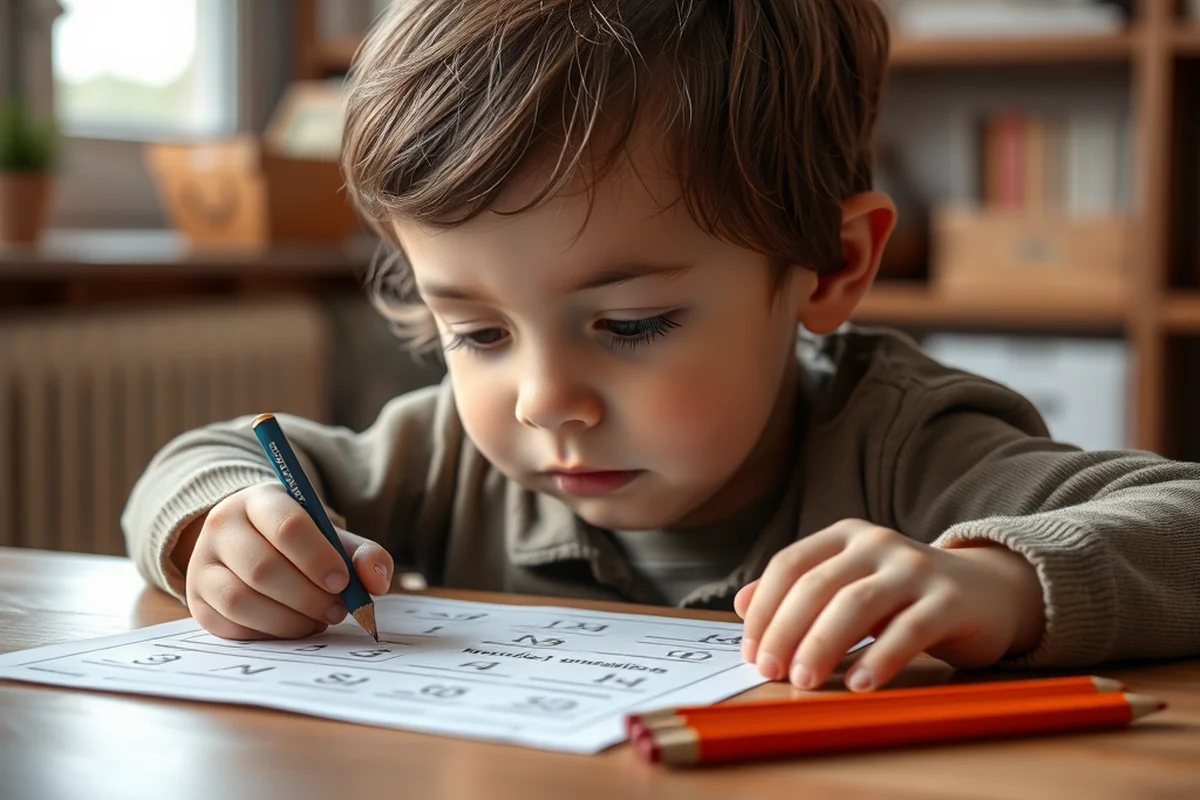
One of the most effective ways I’ve found to teach numbers in Spanish is through play. When my son was 3, we used a simple game where I would show him a number card and ask, '¿Cuántos?' ('How many?') He would then count the dots on the card and say the number in Spanish. It was a quick and fun way to practice, and it kept his attention.
I also found that using songs and rhymes made learning numbers more memorable. There are many Spanish nursery rhymes and songs that include numbers, and we would sing them together during our daily routines. Singing made the learning process feel less like a task and more like a game.
Another fun way to practice numbers in Spanish is by using them in real-life situations. For example, when we were baking, I would count the number of cookies we were making together in Spanish. This helped my son see how numbers are used in everyday life and gave him a practical reason to learn them.
Learning Spanish through numbers feels like playing a game with your child.
Related: What is translate to french
The Benefits of Learning Numbers in Spanish at a Young Age
I’ve noticed that children who learn numbers in Spanish early on tend to pick up other aspects of the language more quickly. Numbers are one of the first parts of a language that children can grasp, and they provide a sense of structure that helps with learning other vocabulary.
In my experience, learning numbers in Spanish also helps improve memory and attention to detail. When my son was learning the numbers, I noticed that he was more focused during our activities and had a better ability to remember things. It was like his brain was getting a little workout through language learning.
There’s also a cognitive benefit to learning numbers in Spanish early. Studies have shown that learning a second language at a young age can improve problem-solving skills, creativity, and even delay the onset of diseases like dementia. It's a win-win for both language development and brain health.[2]
Repeat the numbers in Spanish regularly and use visual aids like number cards or flashcards to reinforce learning. Repetition helps with memory, and visuals make the learning process more engaging for young learners.
“I remember the first time my son asked, '¿Cuántos dedos tienes?' ('How many fingers do you have?') in Spanish.”— Teaching Foreign Languages at Home editors
Related: How is in spanish words
How to Incorporate Numbers in Spanish Into Your Daily Routine
One of the best ways to practice numbers in Spanish is by using them in daily routines. For example, when we were getting dressed, I would count the number of socks or shirts we were wearing in Spanish. This helped my son see that numbers are used in everyday life and made learning feel natural.
I’ve also found that using numbers in Spanish during meals is a great way to practice. When we were eating, I would count the number of pieces of fruit or vegetables on our plates in Spanish. It was a simple way to reinforce the numbers and make learning part of our daily lives.
Another way to practice numbers in Spanish is by using them during playtime. When my son was playing with blocks, I would ask him to count how many blocks he had in Spanish. This helped him practice the numbers while also having fun with his toys.
Related: Al jazeera english
The Role of Parents in Teaching Numbers in Spanish
I’ve noticed that the more involved a parent is in the learning process, the more quickly a child can pick up numbers in Spanish. When I made a point of practicing numbers with my son every day, he began to recognize the words more quickly and use them on his own.
Consistency is key when teaching numbers in Spanish. Even if it’s just 10 minutes a day, regular practice helps reinforce the numbers and makes them easier to remember. When my son and I practiced numbers in Spanish together every morning, it became a part of our routine and helped him retain the information better.[3]
Encouragement and positive reinforcement also play a big role in learning. When my son would say a number in Spanish, I would give him a high-five or a smile. This helped build his confidence and made learning feel like a fun and rewarding experience.
Related: Days of the week in spanish
The Long-Term Benefits of Learning Numbers in Spanish
I’ve seen how learning numbers in Spanish has helped my son continue learning other parts of the language. Once he felt comfortable with numbers, he became more confident in trying out other vocabulary and even trying to speak in full sentences.
Learning numbers in Spanish also helps build a foundation for more complex language concepts. When my son started learning the days of the week in Spanish, he was able to use the same structure and rhythm he learned with numbers, which made the new words easier to remember.
There’s also a long-term cognitive benefit to learning numbers in Spanish. Studies have shown that bilingual children often perform better in school, have better problem-solving skills, and are more adaptable in different environments. It's clear that learning numbers in Spanish early on can help set the stage for a lifetime of learning.[4]
Learning numbers in Spanish is the first step toward a lifetime of language learning.
Related: The espa ol ingles
How to Keep Learning Numbers in Spanish Fun and Motivating
I’ve found that varying the way we practice numbers in Spanish helps keep my son engaged and excited about learning. One day, we might count together on a walk, and the next day, we might play a game with number cards. This variety helps keep the learning process fresh and interesting.
Creativity is also key to keeping learning fun. I’ve used songs, stories, and even games to make learning numbers in Spanish more engaging. When my son and I played a game where we had to find objects around the house and count them in Spanish, it felt like a fun adventure rather than a learning activity.
Rewards and praise also help keep children motivated. When my son would say a number in Spanish, I would give him a small reward, like a sticker or a hug. This helped reinforce the learning and made it feel like a fun and rewarding experience.
📖 Number Flashcards for Toddlers
Use colorful number cards with Spanish words and images to teach numbers to toddlers. It’s a simple, hands-on way to introduce numbers in Spanish.
🎵 Number Songs for Preschoolers
Sing along to Spanish number songs with your child. This is a fun and musical way to practice numbers in Spanish and help them remember the words.
🎲 No-Prep Counting Game
Grab a few toys or blocks and count them together in Spanish. This is a no-prep, no-cost way to practice numbers and keep learning fun.
👥 Group Number Challenge
Invite friends or family to join in a group number challenge where everyone counts in Spanish. This is a great way to practice with others and make learning social.
📚 Number Storytime
Read a Spanish storybook that includes numbers and ask your child to count along. This is a fun way to integrate learning into bedtime or storytime.
| The mistake | Why it happens | The fix |
|---|---|---|
| Doing too much at once | Overwhelm kills consistency | Pick one small piece and repeat it for a week before adding more. |
| Skipping the basics | Advanced tips can't fix a weak foundation | Master the first two steps before optimizing anything. |
Numbers In Spanish
Common Questions
How can I make learning numbers in Spanish fun for my child?
What are the best ways to practice numbers in Spanish with a toddler?
How can I help my child remember the numbers in Spanish?
What are the long-term benefits of learning numbers in Spanish early on?
References
- Los números | Gramática - Acceso (acceso.ku.edu)
- General Liberal Arts (GEN_LA) | Northwestern University Academic ... (catalogs.northwestern.edu)
- Cada vez más numerosos - Census Bureau (census.gov)
- Spanish is Fun! Part II - KSU Community and Professional Education (cpe.kennesaw.edu)
Cite this guide
Teaching Foreign Languages at Home (2026). Numbers In Spanish. https://fluentathome.com/numbers-in-spanish/
Feel free to cite or share this guide.