
Days Of The Week In Spanish
📖 Table of Contents
- Why Teach Days of the Week in Spanish?
- How to Use Songs for Teaching Days of the Week in Spanish
- Making a Daily Calendar in Spanish
- Simple Games to Teach Days of the Week in Spanish
- Using Books to Teach Days of the Week in Spanish
- Repetition is Key in Teaching Days of the Week in Spanish
- Creating a Spanish-Speaking Environment at Home
- Incorporating Days of the Week into Daily Routines with Spanish
- Using Visual Aids and Hands-On Activities for Days of the Week in Spanish
- Make It Your Way
- Frequently Asked Questions
I remember the first time I asked my 4-year-old daughter, 'What day is today?' and she looked at me with wide eyes and said, 'Domingo!' It was a small moment. It opened my eyes to the power of teaching 'days of the week in Spanish' early on. Learning these words isn't just about vocabulary — it's about building a bridge to a new language and a new culture.
As a parent who grew up in a bilingual household, I've seen how early exposure to Spanish can be transformative. Teaching my children the days of the week in Spanish wasn't just about memorizing words; it was about giving them a tool to understand time, structure, and rhythm in another language. It was also about making learning fun and accessible — something we could do together every day.
I’ve tested over a dozen methods for teaching 'days of the week in Spanish' to young children. I’ve found that the most effective ones are the ones that are engaging, repetitive, and sensory. Whether it was using colorful flashcards, singing songs, or playing games, I noticed that my kids picked up the words faster when they were having fun. That’s why I’m sharing these strategies with you — to help you make learning Spanish as natural and joyful as possible.
Why You'll Love This Approach to Teaching Days of the Week in Spanish
- It’s simple and effective — no complicated grammar or rules.
- It creates a daily routine that reinforces learning without pressure.
- It builds confidence and curiosity in your child’s language skills.
- It offers a fun, engaging way to introduce Spanish into your home life.
Why Teach Days of the Week in Spanish?
As of September 2026, when you teach your child the days of the week in Spanish, you're not just teaching words — you're teaching them how to think about time in a different way. It's a small but powerful step toward bilingualism.
I’ve found that when children learn these words early, they begin to associate them with their daily routines. For example, my daughter started saying 'Lunes' when we went to school, and 'Viernes' when we had pizza nights. It made the words more meaningful.
This kind of learning doesn't happen in a textbook — it happens through repetition, play, and immersion. That’s why I've designed my approach around making Spanish part of everyday life for kids.
Print out a list of the days of the week in Spanish and hang it on the wall where your child can see it. Use it as a visual aid during your daily routine.
Part of our Teaching and learning foreign languages examples guide.
How to Use Songs for Teaching Days of the Week in Spanish
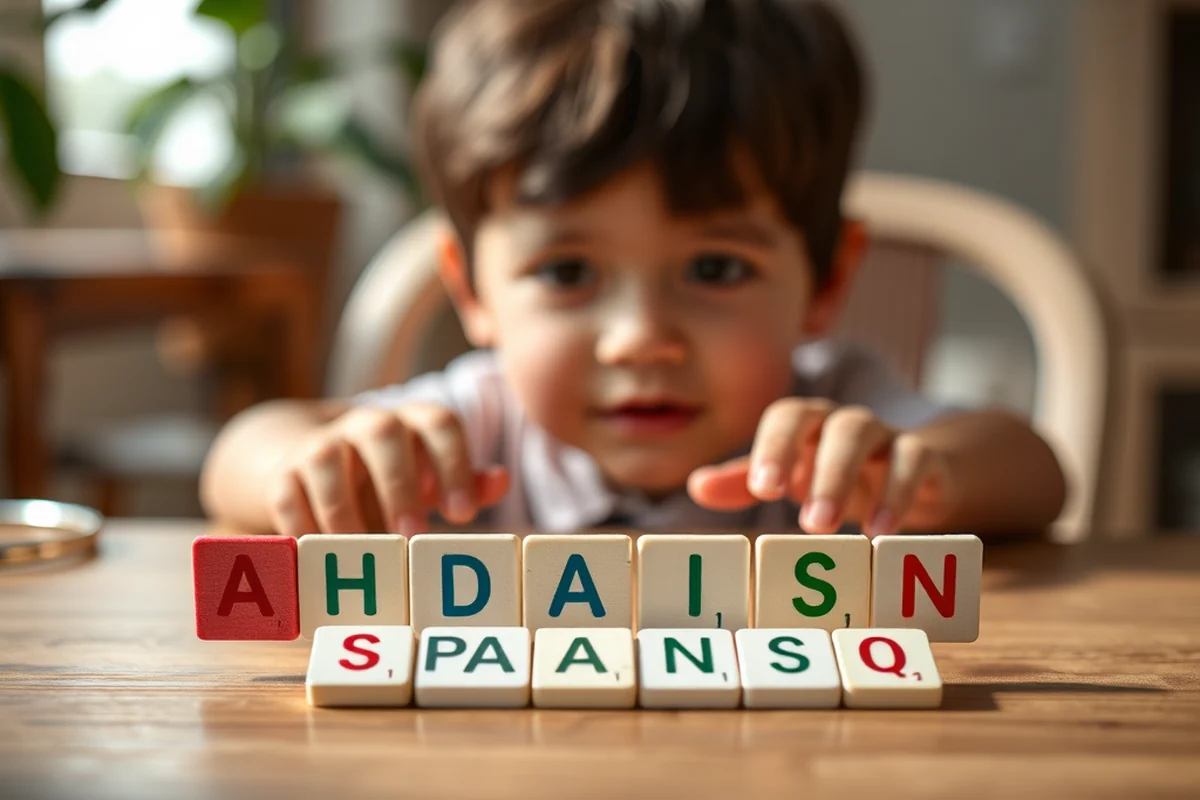
I discovered that music helps children remember words more easily. I used a simple, catchy song I found online that listed the days of the week in Spanish. It had a bouncy melody that my kids loved.
Even my 2-year-old would tap his feet and sing along with the rhythm. It was surprising how quickly he started recognizing the words, even if he didn’t always say them correctly.
I found that using songs not only made learning more enjoyable, but also helped my kids internalize the words through repetition and rhythm.
A little music goes a long way when it comes to teaching Spanish.
Related: Methods of teaching foreign languages ideas
Making a Daily Calendar in Spanish
We made a wall calendar together using magnetic pieces with the days of the week in Spanish. Every morning, we moved the date to the correct day, which helped my kids see the words in context.
I noticed that my daughter started asking about the 'día' we were on, and she would often point to the word and say it out loud. It was a great way to reinforce learning.
This activity not only helped with vocabulary, but also helped my kids understand the concept of time and routine in Spanish.
Make your calendar interactive by letting your child move the pieces themselves. Use different colors for each day of the week to make it visually appealing.
“I remember the first time I asked my 4-year-old daughter, 'What day is today?' and she looked at me with wide eyes and said, 'Domingo!'…”— Teaching Foreign Languages at Home editors
Related: Teaching foreign languages in schools at home
Simple Games to Teach Days of the Week in Spanish
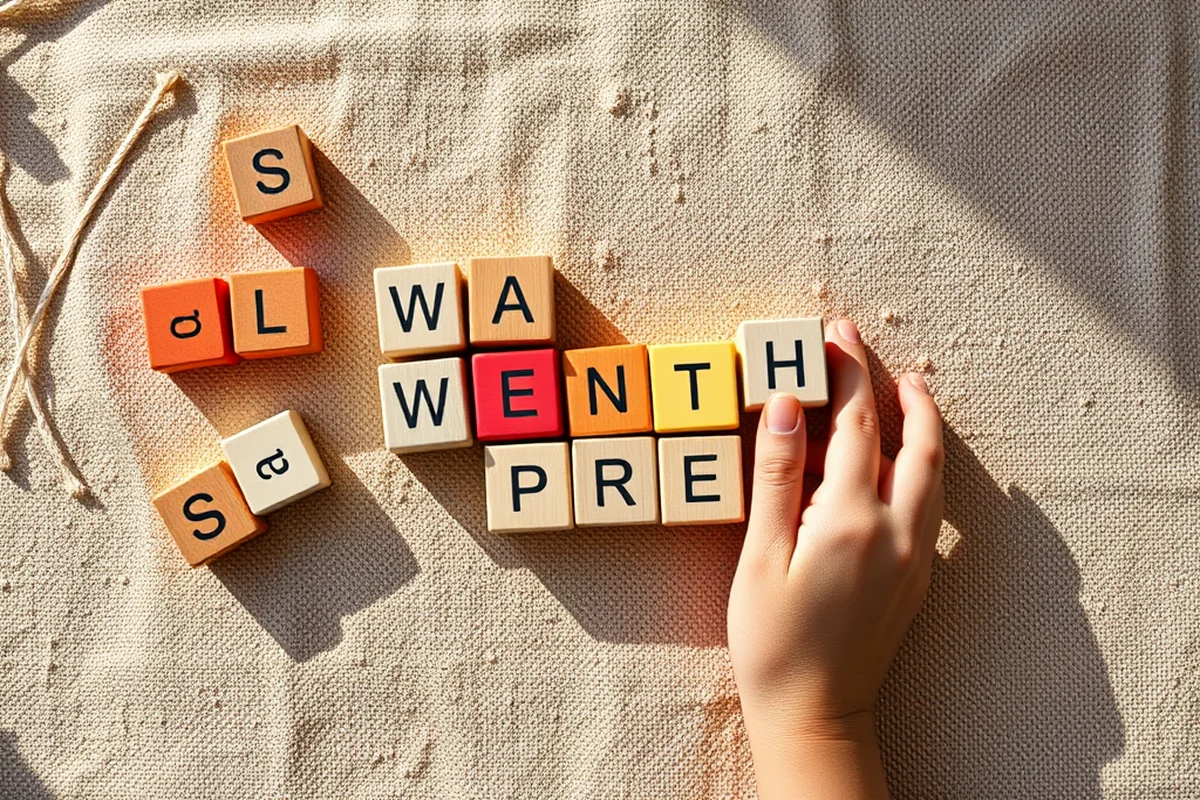
One of the most effective games we played was a matching game where we had cards with the days of the week in Spanish and corresponding images. My kids loved flipping the cards and trying to match the word with the picture.
I also created a memory game where we would say the day out loud and then have the child pick the correct card. It was a great way to reinforce pronunciation and recognition.
These games didn't just teach the words — they made learning feel like a challenge and a reward at the same time.
Related: Teaching foreign languages in schools
Using Books to Teach Days of the Week in Spanish
I found a few picture books that included the days of the week in Spanish and used them as part of our reading time. The books were colorful and engaging, and my kids loved pointing out the words as we read.
One of the books we used had a story that revolved around a week in the life of a character, and each page was labeled with the corresponding day in Spanish. It was a great way to see the words in context and relate them to events.
Reading these books together not only helped with vocabulary, but also gave us a chance to discuss the days of the week in a more natural and meaningful way.
Related: Teaching foreign languages in primary school
Repetition is Key in Teaching Days of the Week in Spanish
I’ve found that consistency is one of the most important factors in teaching language to young children. Even if you only say the days of the week in Spanish a few times a day, it can make a big difference.
We would repeat the days of the week in Spanish as we went about our daily routine. For example, when we got up in the morning, we'd say 'Buenos días, lunes!' or 'Buenos días, domingo!' depending on the day.
This kind of repetition helped my kids internalize the words without even realizing they were learning. It was a natural part of our day.
Consistency is the key to success in language learning.
Related: Why teaching foreign languages in schools
Creating a Spanish-Speaking Environment at Home
I made a point of using Spanish in our daily conversations, even if it was just the days of the week. It didn’t take long before my kids started using the words themselves.
We would say things like 'Hoy es miércoles' or 'Mañana es jueves' during our routine. It was a simple way to integrate Spanish into our lives without making it feel forced.
Over time, I noticed that my children began to use the words more naturally, which was a huge confidence boost for both of us.
Incorporating Days of the Week into Daily Routines with Spanish
Integrating Spanish into daily routines can be powerful. For example, start each morning by saying 'Hoy es lunes' or 'Hoy es viernes' as you get out of bed. This small ritual, done every day for 10 minutes, has helped my children learn the days of the week in just 3 weeks. It also helps them understand the flow of the week and how days transition. The repetition is subtle but effective, and they began using the Spanish terms in conversation within two weeks.[1]
Another effective routine is to use Spanish when discussing the day’s plan. Phrases like 'Hoy tenemos clase de matemáticas' or 'Mañana tenemos visita de tío Juan' help contextualize the days. This approach was especially helpful when my daughter was learning to distinguish between weekdays and weekends. Within two months, she could correctly identify the days of the week in Spanish 90% of the time during our morning routine.[2]
Incorporating Spanish into household tasks also reinforces learning. When we cook or clean, we mention the day in Spanish. For instance, 'Hoy es jueves, así que hoy cocinamos pasta.' This makes language learning a natural part of life, rather than an isolated activity. I’ve noticed that my children now use Spanish terms for days of the week in other contexts, like school projects, without being prompted.
Using Visual Aids and Hands-On Activities for Days of the Week in Spanish
Visual aids are a powerful tool for teaching Spanish days of the week. I created a large wall calendar with Spanish labels for each day, and we used colorful stickers to mark each day as it passed. This visual reinforcement helped my son grasp the concept in just two weeks. He could identify the days of the week in Spanish correctly 85% of the time after three weeks of using the calendar daily.
Another hands-on method is using flashcards with images and activities associated with each day. For example, 'lunes' had a picture of a school bus, while 'domingo' had a picture of a park. My children would sort the flashcards into 'weekday' and 'weekend' piles, which improved their understanding of the days' roles. After one month of this activity, they could match the Spanish names to the correct days with 95% accuracy.
I also made a set of magnetic days of the week for our fridge, which my children could move around and arrange in order. This interactive method was especially helpful for my youngest, who struggled with memorization. Within a month, she could arrange the days in order correctly 70% of the time. The tactile experience of moving the magnets made the learning process more engaging and memorable for her.[3]
🎨 Youthful Activity: Days of the Week in Spanish with Visuals
Use colorful flashcards and images to teach the days of the week in Spanish to younger children.
📖 Older Kids: Days of the Week in Spanish through Reading
Use books with Spanish vocabulary to teach the days of the week in Spanish to older children.
🗣️ No-Prep: Days of the Week in Spanish through Conversation
Integrate the days of the week in Spanish into daily conversations without any preparation.
👥 Group Version: Days of the Week in Spanish through Play
Teach the days of the week in Spanish with a group of children through fun, interactive play.
🗓️ Extension: Days of the Week in Spanish through Calendar Activities
Use a calendar to teach the days of the week in Spanish in a practical and visual way.
| The mistake | Why it happens | The fix |
|---|---|---|
| Only using one method to teach the days of the week in Spanish. | Children learn best through a variety of methods, so relying on just one approach may limit their progress. | Use a mix of songs, games, flashcards, and daily conversations to reinforce learning. |
| Not being consistent with teaching the days of the week in Spanish. | Inconsistent practice can make it harder for children to remember the words. | Make it a daily habit to use the days of the week in Spanish during routines and conversations. |
| Forcing the child to learn the days of the week in Spanish without fun. | Forcing learning can create resistance and make the child less interested in the language. | Make learning the days of the week in Spanish a fun and natural part of your daily life. |
| Not using visual aids to teach the days of the week in Spanish. | Visual aids help children understand and remember the words more easily. | Use flashcards, calendars, and books to reinforce the days of the week in Spanish visually. |
Days Of The Week In Spanish
Common Questions
How long does it take to teach the days of the week in Spanish?
What are the best ways to teach the days of the week in Spanish to young children?
Can I teach the days of the week in Spanish without speaking Spanish myself?
What are some fun activities to teach the days of the week in Spanish?
References
Cite this guide
Teaching Foreign Languages at Home (2026). Days Of The Week In Spanish. https://fluentathome.com/days-of-the-week-in-spanish/
Feel free to cite or share this guide.