
To Learn Spanish Free
📖 Table of Contents
I remember the first time I tried to teach my daughter Spanish without a textbook — it was awkward, confusing, and honestly a little embarrassing. I had no idea where to start, and I certainly didn’t realize that learning a language could be this simple and fun. But over the next few months, I discovered that there are countless ways to learn Spanish for free, right in your own home. It just takes a little creativity and a lot of practice.
One of the best things I found was the power of immersion, even without traveling abroad. We started with a few basic phrases, and within weeks, my daughter was saying 'hola' and 'gracias' with confidence. We used songs, videos, and even simple flashcards to keep things engaging. The whole experience reminded me that learning Spanish for free doesn’t mean it has to be boring — in fact, it can be the most rewarding part of your day.
I’ve since shared these methods with friends, and they’ve all been amazed at how quickly their kids picked up new words. Whether you're a parent looking to spark an interest in language or someone just starting out on your own language journey, there are free, accessible tools that can help you learn Spanish at home. The trick is to find what works best for you and your family.
Why You'll Love This Language Learning Journey
- It’s completely free, with no need for expensive textbooks or classes.
- It’s interactive and engaging, making learning fun for kids and adults alike.
- It allows for natural immersion and practice in real-life contexts.
- It can be tailored to your child’s age and learning style.
The Power of Immersion
As of September 2026, I began by replacing a few English words with Spanish phrases in our daily routine — 'breakfast' became 'desayuno' and 'good night' turned into 'buenas noches.' At first, it felt strange. Over time, these words became natural parts of our lives. My daughter started repeating them without prompting, and even began asking me for the Spanish word for things she saw around the house.
We also made a point to watch Spanish-language videos together. My favorite was a YouTube channel that used simple, repetitive sentences with bright visuals. My daughter would point at the screen and say the words along with the videos, which helped reinforce what she was learning. It was amazing to see how quickly she picked up new vocabulary.
One of the best parts about immersion is that it doesn’t feel like learning — it feels like living. It’s the kind of practice that happens naturally, and that’s where real progress begins.
Stick Spanish word labels on common household items like the bathroom, kitchen, and toys. This helps your child associate the words with the objects in their environment.
Part of our Teaching a foreign language course for beginners guide.
The Magic of Music
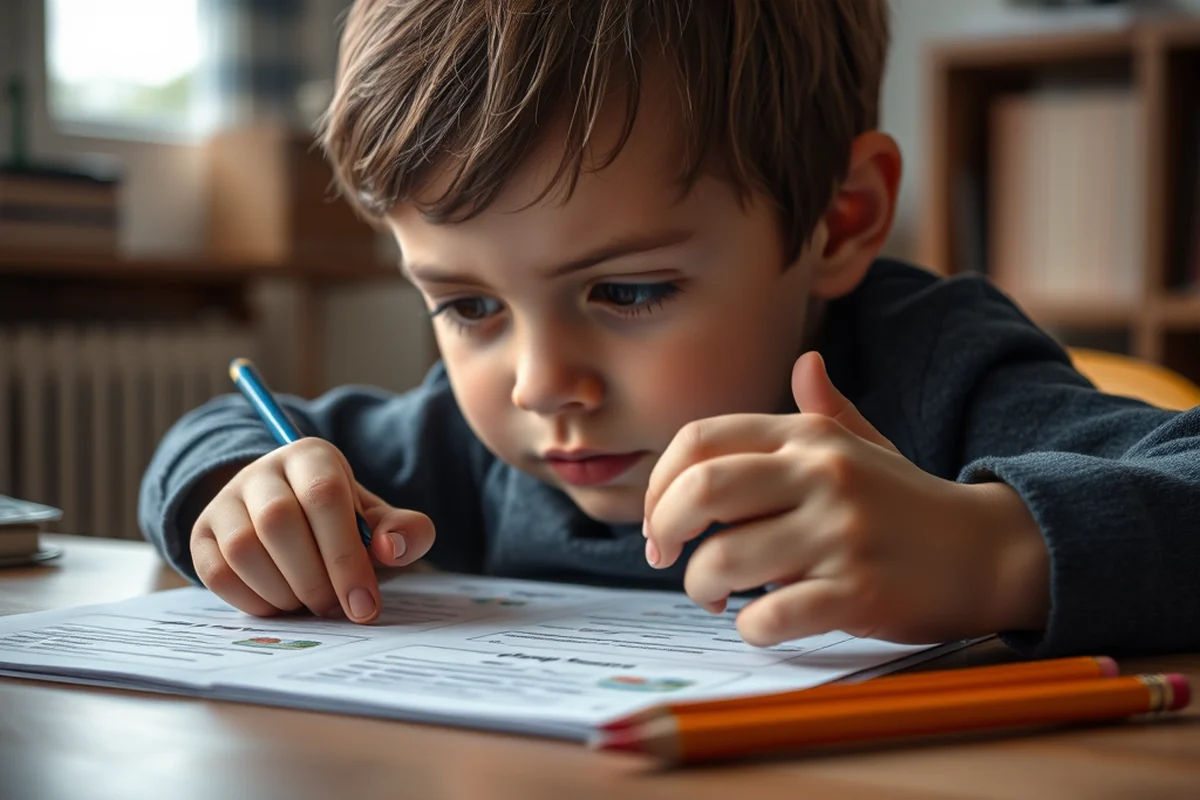
I discovered a Spanish music playlist for kids on Spotify that was filled with catchy, easy-to-learn songs. We would listen to these every morning during breakfast, and my daughter would sing along even before she knew all the words. It was incredibly rewarding to see her pick up phrases like 'canción' and 'feliz' through repetition and rhythm.
One of the most popular songs we used was 'La Bamba,' a traditional Mexican folk song that my daughter loved dancing to. Even though she only understood parts of the lyrics, she would mimic the rhythm and eventually start repeating the words. Music has a way of making complex concepts feel simple and fun.
I found that the more we listened to these songs, the more confident she became in using Spanish. It was a way to practice without feeling like it was a chore — something that can be a big challenge when learning a new language.
A little music, a lot of fun — that’s how my daughter learned to speak Spanish.
Related: Cheap teaching for foreign students
Games That Teach
I came across a free Spanish vocabulary game online that used flashcards with pictures and the corresponding Spanish words. We played the game every day for 15 minutes, and my daughter loved matching the images to the words. It was surprising how quickly she started recognizing the words without even realizing it was a learning activity.[1]
We also created our own version of a 'memory' game using index cards. On one side, I wrote the English word, and on the other, the Spanish translation. We would lay them out on the floor and take turns flipping them over to find matches. It wasn’t only fun — it was also a great way to reinforce vocabulary through repetition.
Games like these are perfect for keeping your child engaged while they learn. The key is to make it feel like a game and not a lesson — that’s when the real learning happens.
There are several free Spanish flashcard games available on educational websites like Quizlet. These platforms make it easy to create your own flashcards or use pre-made decks for your child’s learning level.
“I remember the first time I tried to teach my daughter Spanish without a textbook — it was awkward, confusing, and honestly a little embarrassing.”— Teaching Foreign Languages at Home editors
Related: Cheap teaching foreign language skills
Reading Together in Spanish
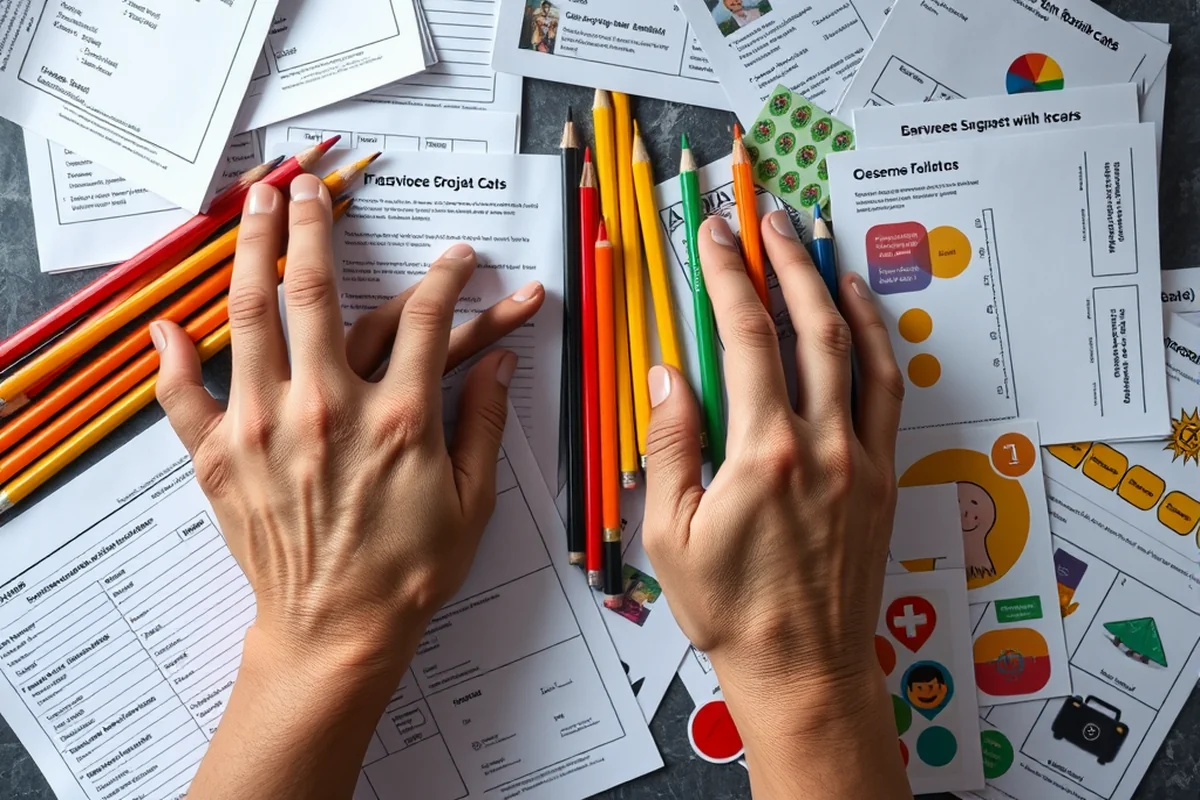
I started reading simple Spanish books with my daughter every night before bed. At first, I read the stories to her, and she would listen with wide eyes and occasional giggles. As time went on, she began to point at the words and try to read them out loud with me. It was a beautiful moment when she realized that she was able to understand and participate in the story.
We used books with repetitive sentences and simple vocabulary, which made it easier for her to follow along. One of my favorites was a book about animals, where each page introduced a new animal with its Spanish name and a few simple sentences about it. My daughter loved pointing at the pictures and saying the words with me.
Reading together not only helped her learn Spanish — it also strengthened our bond and gave us a daily ritual that we both looked forward to. It’s amazing how much can be learned through a simple story and a few minutes of shared reading time.
Related: Teaching foreign language certificate comparison
Learning Through Conversation
I made a conscious effort to speak Spanish with my daughter as much as I could, even if it was just a few words at a time. At first, it was difficult because I had to stop myself from slipping back into English, but I found that it became easier with practice. She would respond with the words she knew, and it was incredibly rewarding to see her trying to communicate in Spanish.
We also started having simple conversations, like asking her what she wanted to eat for lunch or what she did at school. These short exchanges helped her build basic sentence structures and vocabulary. It was surprising how quickly she started using full sentences in Spanish, even if they were simple ones like 'I want juice' or 'I saw a bird.'
Over time, speaking Spanish became a natural part of our day, and my daughter began to use it more and more. It wasn’t just about learning the language — it was about building a connection through communication.
Related: How to learning english speaking
Using Technology to Support Learning
I found a few free Spanish-learning apps that were perfect for our family. One of them had interactive lessons with voice recognition, which helped my daughter practice pronunciation and receive immediate feedback. Another app had short videos that introduced simple phrases and vocabulary in a fun, engaging way.
We also used a free Spanish-learning website that allowed us to create our own lessons and track our progress. It was amazing to see how much my daughter was learning through these tools, even though they were completely free to use.
Technology doesn’t replace learning — it enhances it. It gives learners access to a wide range of resources that can be tailored to their needs and learning style.
Technology turned our home into a Spanish-learning hub, all for free.
Related: English speaking course for beginners
The Importance of Consistency
I learned that even a few minutes of practice each day made a big difference in my daughter’s progress. We made it a habit to practice Spanish together every morning and every night before bed, and over time, she became more confident and fluent. It wasn’t always easy, but the consistency helped her build a strong foundation in the language.
I also found that setting a schedule helped both of us stay on track. Whether it was 10 minutes or 20 minutes, the important thing was that we made time for Spanish every day. This helped my daughter develop a routine and understand that learning Spanish was a part of our lives.[2]
Consistency doesn’t mean perfection — it means showing up every day and making progress, no matter how small. That’s how real learning happens.
🧱 Younger Kids (Ages 3-6)
Use flashcards, songs, and picture books with simple vocabulary to engage younger learners.
📘 Older Kids (Ages 7-12)
Introduce more complex vocabulary and grammar concepts using interactive apps and reading materials.
⏳ No-Prep Version
Use online videos, games, and conversation practice with no need for printing or purchasing materials.
👥 Group Version
Host a language learning session with friends or family, using games and shared activities to practice together.
🚀 Extension Version
Introduce more advanced topics like Spanish culture, grammar, and writing to take learning even further.
| The mistake | Why it happens | The fix |
|---|---|---|
| Not practicing regularly | Language learning requires consistent effort, and skipping practice can slow down progress significantly. | Set a daily or weekly schedule for practice, even if it’s just 10 minutes a day. |
| Using too many different resources at once | Trying to learn from too many sources at once can overwhelm a learner and make it difficult to stay focused. | Choose a few key resources and focus on them consistently to build a strong foundation. |
| Not using the language in real-life situations | Learning a language without using it in real conversations can lead to a lack of fluency and confidence. | Make an effort to speak Spanish in daily interactions, even if it’s just a few simple words. |
| Ignoring the child’s interest and learning style | Forcing a child to learn in a way that doesn’t fit their interests or learning style can lead to frustration and a lack of motivation. | Use activities and resources that match the child’s interests and learning preferences to keep them engaged and excited about learning. |
To Learn Spanish Free
Common Questions
What are the best resources for learning Spanish for free?
How long does it take to see progress in learning Spanish this way?
Can I learn Spanish with my child even if I don’t speak it well myself?
Are there any games that help with learning Spanish?
References
- Learning Games & Programs: Pre K through 3rd Grade (coronaca.gov)
- From Foreign Language to Familiar Language: My Journey through UNC Spanish Classes - Writing and Learning Center (writingandlearningcenter.unc.edu)
Cite this guide
Teaching Foreign Languages at Home (2026). To Learn Spanish Free. https://fluentathome.com/to-learn-spanish-free/
Feel free to cite or share this guide.