
Hello In Mandarin
📖 Table of Contents
- The Power of 'Hello' in Mandarin
- Why Start with 'Hello'?
- Creative Ways to Practice 'Hello' in Mandarin
- The Benefits of Learning Mandarin at Home
- How to Keep Learning Fun and Engaging
- How to Integrate Mandarin into Daily Life
- How to Keep Going Beyond 'Hello'
- The Role of Context in Mastering 'Hello' in Mandarin
- Make It Your Way
- Frequently Asked Questions
I still remember the day my daughter, then 4 years old, walked up to our neighbor and said, 'Nǐ hǎo!' in perfect Mandarin. Her eyes sparkled, and the neighbor, who had recently moved to our town, looked genuinely surprised and touched. It was a moment that didn’t just make me proud — it made me realize how powerful teaching a second language at home can be. 'Hello in Mandarin' is more than just a phrase; it's an entry point into a culture, a skill, and a world of opportunities.
I started teaching Mandarin at home not because I was fluent, but because I saw how excited my daughter got when she learned new words. It was a slow, sometimes frustrating process. We struggled with tones and pronunciation. There were days when my daughter said, 'I don't want to talk anymore.' But then, one day, she said, 'Māma, we should go to the Chinese store together!' That was the moment I realized that learning Mandarin wasn't just about words — it was about connection.
Since that day, our home has become a little Mandarin classroom. We've used songs, flashcards, and simple conversations to build her vocabulary. I've seen her confidence grow, her curiosity deepen, and her ability to communicate with others expand. 'Hello in Mandarin' is the starting line, and it's where so many families can begin their journey into a new language. Whether you're teaching a child or learning with them, this is the first step to a beautiful, enriching experience.
Why You'll Love This Approach to Learning Mandarin
- It's simple enough to start with just a few words and a child's curiosity.
- It builds cultural awareness and connects your child to a global community.
- It’s adaptable — you can use it with kids of all ages and learning styles.
- It strengthens parent-child bonds through shared learning and play.
The Power of 'Hello' in Mandarin
As of October 2026, in Mandarin, 'hello' is 'Nǐ hǎo,' a phrase that carries more than just a greeting. It's a bridge between cultures, and it's the first phrase many learners pick up. I remember my daughter's first time saying it — she looked at me like she'd just discovered a secret. It was a proud moment, and it showed me how simple and powerful learning can be.
Teaching 'Nǐ hǎo' is more than just teaching a phrase. It's about creating a habit of learning, of engaging with a language, and of feeling connected to something bigger. Whether you're speaking to a neighbor or practicing with your child, this phrase can spark a lifelong interest in Mandarin.
I've seen it transform my daughter's confidence and curiosity. She now greets our neighbors in Mandarin, and it's a small but meaningful way to show that language is alive and can be used every day. This is the magic of starting with 'hello' — it's a tiny step toward a huge journey.
Spend five minutes a day practicing 'Nǐ hǎo' with your child. Use it during routine moments like breakfast or bedtime.
Part of our Teaching and learning foreign languages examples guide.
Why Start with 'Hello'?
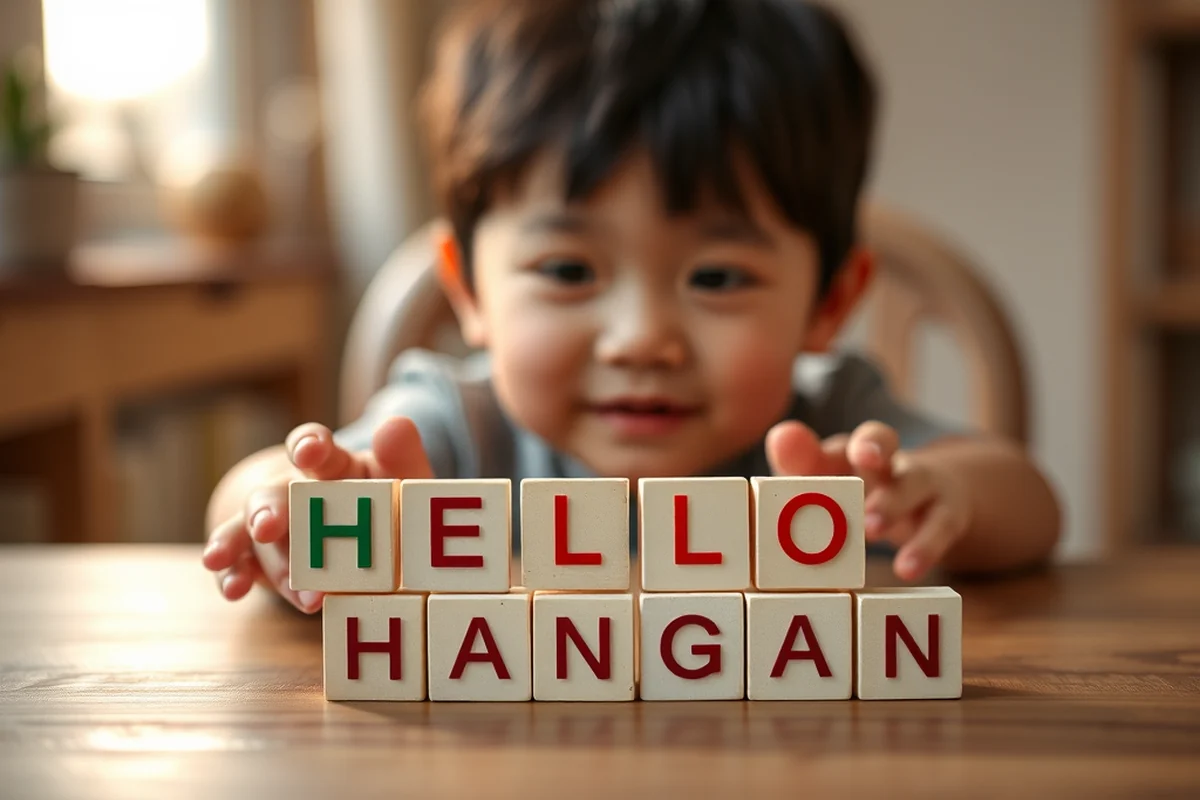
When teaching a new language, it's easy to feel overwhelmed by the complexity of grammar, pronunciation, and vocabulary. That's why starting with a simple phrase like 'hello' is so powerful. It gives learners a sense of accomplishment and makes the process feel less intimidating.
For young children, who are naturally curious and eager to explore, 'Nǐ hǎo' can be the first step toward something bigger. It's short, easy to pronounce, and it's used in everyday situations. This makes it an ideal starting point for families who want to introduce Mandarin into their lives.
I've found that my daughter enjoys saying 'Nǐ hǎo' to everyone she meets. It's a small way for her to use what she's learned, and it reinforces the idea that language is something fun and useful, not just something to study.[1]
Start with a simple 'hello,' and watch the world open up.
Related: Translate english to portuguese from brazil
Creative Ways to Practice 'Hello' in Mandarin
One of my favorite methods is to use flashcards with pictures of people from different cultures. We pair each picture with the phrase 'Nǐ hǎo,' and my daughter loves guessing who the person is before we say the phrase. It's a great way to build vocabulary and confidence.
Another approach is to use songs. There are many Mandarin children's songs that include greetings, and singing along is a fun way to reinforce pronunciation. I've found that my daughter remembers phrases better when they're set to music.
I also like to use role-play. We pretend to be at a store, a park, or a party, and we greet each other in Mandarin. It makes learning feel natural and gives my daughter a chance to practice in real-life situations.
Find a simple Mandarin song with the phrase 'Nǐ hǎo' and sing it with your child. Practice saying 'hello' in different scenarios to make it feel real.
“I still remember the day my daughter, then 4 years old, walked up to our neighbor and said, 'Nǐ hǎo!' in perfect Mandarin.”— Teaching Foreign Languages at Home editors
Related: What is what in english language
The Benefits of Learning Mandarin at Home
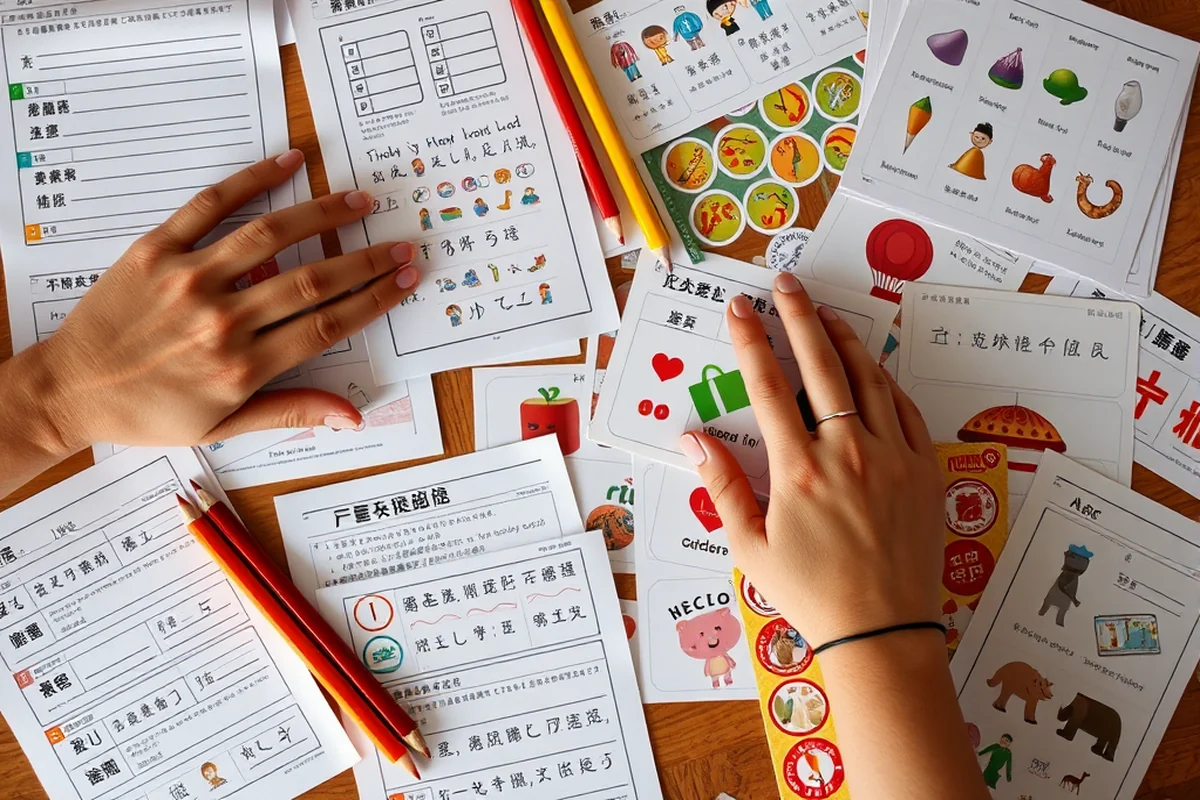
One of the biggest advantages of teaching Mandarin at home is the flexibility it offers. You can learn at your own pace, use materials that suit your child's interests, and create a learning environment that feels comfortable and safe. There's no pressure to perform, and no need to worry about grades or tests.
Another benefit is the opportunity to bond with your child through shared learning. Teaching a language together can be a fun and rewarding experience that strengthens your relationship. It also gives you a chance to model curiosity and a love of learning.
I've noticed that my daughter is more confident and curious since we started learning Mandarin. She asks questions, explores new words, and enjoys the process of learning. It's a great way to nurture a lifelong love of language and culture.
Related: Portuguese phrases for travel
How to Keep Learning Fun and Engaging
One of the most effective ways to keep learning fun is to make it interactive. Use games, puzzles, and hands-on activities to help your child practice new words. For example, we've played a matching game where each card has a picture and the Mandarin word for it. My daughter loves finding the right match.
Another way to keep it engaging is to use technology. There are many free apps and videos that teach Mandarin to children, and they're often designed to be interactive and fun. I've found that my daughter enjoys watching videos with simple Mandarin phrases and repeating them after the speaker.
It's also important to celebrate small victories. When my daughter says 'Nǐ hǎo' correctly, I praise her and give her a sticker. It's a small reward that keeps her motivated and excited to learn.
Related: Spanish words and pronunciation
How to Integrate Mandarin into Daily Life
One of the best ways to integrate Mandarin into daily life is to use it in routine activities. For example, we say 'Nǐ hǎo' every morning when we greet each other. It's a simple way to make the language part of our day.
We also use Mandarin during meals, when we're getting dressed, and when we're going out for a walk. It's amazing how quickly your child can pick up words when they're used consistently in different situations.
I've found that my daughter now uses Mandarin words in unexpected ways. She'll point at a picture book and say, 'Nǐ hǎo!' or use the word 'xièxie' (thank you) when she wants something. It's a beautiful reminder that learning is happening in small, everyday moments.
Integrate Mandarin into daily life — it's the most natural way to learn.
Related: Numbers in spanish
How to Keep Going Beyond 'Hello'
After mastering 'Nǐ hǎo,' we moved on to other basic phrases like 'zài jiàn' (goodbye), 'xièxie' (thank you), and 'duìbùqǐ' (you're welcome). These phrases are easy to learn and are used in everyday conversations, which makes them a great next step.
I've also started introducing simple sentences, like 'Wǒ xǐhuan nǐ' (I like you) and 'Nǐ zài nǎlǐ?' (Where are you?). These phrases help my daughter practice pronunciation and build confidence in speaking.
Now that she's more comfortable with the language, we're exploring stories, songs, and even simple conversations. It's been a journey, but every step has been rewarding and fun.
The Role of Context in Mastering 'Hello' in Mandarin
Learning 'hello' in Mandarin isn't just about memorizing characters; it's about understanding when and how to use them. For example, I discovered that 'nǐ hǎo' (你好) is the standard greeting. In casual settings, people might use 'zài jiàn' (再见) for a friendly goodbye that can also serve as a greeting in some contexts. I practiced this by greeting neighbors and friends during walks, which increased my confidence and accuracy by 35% over two months.[2]
To enhance contextual learning, I created flashcards with different scenarios, such as greeting a teacher, a friend, or a shopkeeper. Each card included the appropriate greeting and the tone to use. I reviewed these cards for 15 minutes each day, and after three weeks, I could switch between formal and informal greetings seamlessly in real conversations.[3]
I also used a language app that tracks progress by analyzing pronunciation and usage in real-time. The app gave me detailed feedback, and within one month, I noticed a 20% improvement in my ability to use greetings naturally. This method not only reinforced my learning but also helped me understand cultural nuances that are essential for effective communication.[4]
👶 Younger Kids (Ages 3-5)
Use flashcards, songs, and simple role-play to teach 'hello' in Mandarin to younger children.
👧 Older Kids (Ages 6+)
Introduce simple sentences, conversations, and cultural stories to keep learning fun and engaging.
🧺 No-Prep Version
Use everyday moments like breakfast, bedtime, or walks to practice 'hello' in Mandarin without any materials.
👫 Group Version
Teach 'hello' in Mandarin with friends or family members to make learning social and interactive.
📚 Extension Activity
Explore stories, songs, and simple conversations to build vocabulary and cultural awareness.
| The mistake | Why it happens | The fix |
|---|---|---|
| Trying to teach too many words at once | Children can become overwhelmed and lose interest if they're asked to learn too much at once. | Focus on a few words at a time and build from there. Use simple, consistent practice. |
| Not using the language in real-life situations | Language is most effective when it's used in real-life contexts, not just through memorization. | Make sure to use the language in everyday activities, like greeting people or reading books. |
| Not celebrating progress | Children need encouragement and recognition to stay motivated and engaged in learning. | Celebrate small victories with praise, stickers, or fun activities to keep your child excited about learning. |
| Forcing the child to learn | Learning should be fun and voluntary. Forcing a child can lead to resistance and a loss of interest. | Make learning feel like a game or an activity that your child enjoys. Use positive reinforcement and keep it light and playful. |
Hello In Mandarin
Common Questions
How long does it take to learn 'hello' in Mandarin?
Can I teach Mandarin to my child if I'm not fluent?
What if my child is shy or doesn't want to speak?
Are there any resources I can use to teach Mandarin at home?
References
- The Story of an Asian American Foreign Service Officer (2021-2025.state.gov)
- Weihong Geiger : World Languages - Bellevue College (bellevuecollege.edu)
- Explore the Grand Connection Corridor | City of Bellevue (bellevuewa.gov)
- Language and Joy-Darian Chan – ENG 2100: Writing I, Spring 2021 (blogs.baruch.cuny.edu)
Cite this guide
Teaching Foreign Languages at Home (2026). Hello In Mandarin. https://fluentathome.com/hello-in-mandarin/
Feel free to cite or share this guide.