
Hello In Different Languages
📖 Table of Contents
- The Power of a Simple Greeting
- Why ‘Hello in Different Languages’ Works for Kids
- How to Make Language Learning a Daily Habit
- The Role of Parents in Language Learning
- The Benefits of Multilingual Greetings at Home
- How to Keep Kids Motivated to Learn
- The Long-Term Impact of Early Language Learning
- Make It Your Way
- Frequently Asked Questions
There’s something magical about saying ‘hello’ in another language. I remember the first time my daughter walked up to a neighbor and said, ‘¡Hola!’ in Spanish. The neighbor’s eyes lit up. I realized that language could be a bridge — not just between people, but between cultures, families and even little children who are just beginning to understand the world around them. That moment made me wonder: what if I could teach my child how to greet people in more than one language? What if I could help her feel connected to the world in a way that was both fun and educational? The answer, it turns out, is quite simple — and it starts with learning how to say ‘hello in different languages.’[1]
I’ve spent the past few years experimenting with language learning at home, and one of the most effective ways I’ve found is to start with greetings. ‘Hello in different languages’ is more than just a phrase — it’s a gateway to curiosity, conversation and connection. Whether it’s saying ‘Bonjour’ in French or ‘Nǐ hǎo’ in Mandarin, these greetings are not only useful for travel. They also spark a child’s interest in other cultures and ways of life. My son, for example, now knows ‘Ciao’ in Italian and ‘Namaste’ in Hindi, and he loves practicing them with his friends and teachers.[2]
What I’ve learned is that the best language learning happens when it’s playful, not forced. When I see my children excitedly say ‘Kia ora’ in Maori or ‘Salve’ in Latin, I know they’re not just learning words — they’re building a foundation for something bigger. This is where the journey of learning a language begins, and it’s not just for young children. Adults, too, can benefit from picking up these simple greetings, whether they’re traveling, making new friends, or simply wanting to show appreciation for the world’s diversity. ‘Hello in different languages’ is more than just a phrase — it’s a way of opening doors, both literally and figuratively.[3]
Why You'll Love This Language Learning Activity
- It builds early language skills in a fun, interactive way.
- It introduces children to global cultures and traditions.
- It encourages curiosity and a lifelong love for learning.
- It’s an accessible and flexible way to start language education at home.
The Power of a Simple Greeting
As of October 2026, one of the first things I noticed when I began teaching my children how to greet people in other languages was how it shifted the way they viewed the world. A single phrase like ‘Hallo’ in German or ‘Salaam’ in Arabic opened up a whole new world of possibilities for them. It wasn’t just about memorizing words — it was about understanding that people all over the world are saying something similar to express kindness, curiosity or welcome.[4]
I found that using greetings from different cultures helped my children understand that language is not a barrier, but a bridge. When they greeted their cousins in Spanish or their baby sister in Mandarin, it became clear that language was a tool for connection, not a wall. It also made learning feel more personal and relevant — they weren’t just memorizing words, but using them in real, meaningful ways.[5]
The result was a child who was not only learning to say ‘hello in different languages,’ but who was also learning how to be open, curious and kind. The simple act of saying ‘hello’ in another language sparked conversations, made new friends and gave my kids a sense of belonging in a world that felt much larger than before.
Teach the greetings that are most familiar to you first, whether it’s from your own heritage or from a language you studied in school. Children learn better when they see a connection between what they’re learning and their own lives.
Part of our Teaching foreign languages guide.
Why ‘Hello in Different Languages’ Works for Kids
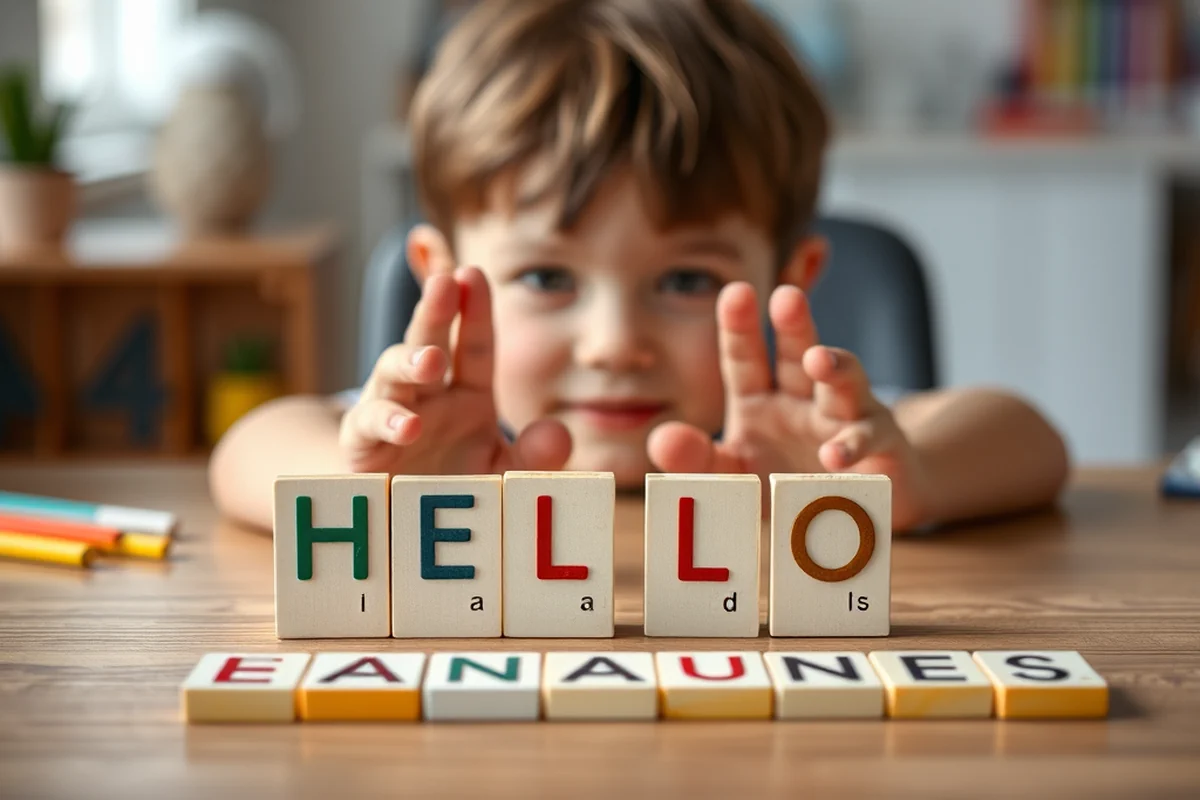
I’ve seen how children pick up on languages with surprising ease, especially with simple greetings. They love hearing the different sounds, and they’re quick to repeat them if they’re given the chance. When I taught my son to say ‘Sawubona’ in Zulu, he immediately wanted to say it to everyone he met — from his friends at the park to the mailman.
What makes ‘hello in different languages’ particularly effective for kids is that it doesn’t feel like a lesson. It feels like play. When we turned it into a game — like a guessing game where we’d say the greeting and the child would try to guess the language — learning was both fun and effective. My daughter, for example, now knows over ten different greetings, and she’s eager to learn more.
This kind of learning isn’t just about memorizing words. It’s about building confidence, fostering creativity and encouraging a child to explore the world through language. It’s a way to make learning feel like an adventure, not a chore.
Language is the key to understanding the world — and it starts with a simple ‘hello.’
Related: What is greek translation
How to Make Language Learning a Daily Habit
I’ve made it a habit to say a few greetings in different languages each day, even if it’s just while getting ready for school or after dinner. It’s amazing how quickly this practice becomes second nature. My children now say ‘Kia ora’ in Maori every time they see our neighbor, and they love the way it sounds.
I’ve also found that consistency is key. We set aside a few minutes each day to practice a new language, and we mix it up so it doesn’t feel repetitive. Sometimes we use flashcards, other times we sing songs or watch videos together. This keeps the learning engaging and prevents it from becoming a routine that feels boring.
The result is a child who not only knows how to say ‘hello in different languages’ but who also understands that language learning is a part of life. It’s not something that happens in a classroom — it’s something that happens at home, in the park, and in everyday conversations.
Incorporate language learning into daily routines — like saying a new greeting each morning or playing a language game while getting ready for bed. This makes learning feel natural and not forced.
“There’s something magical about saying ‘hello’ in another language.”— Teaching Foreign Languages at Home editors
Related: What s the best language learning app
The Role of Parents in Language Learning
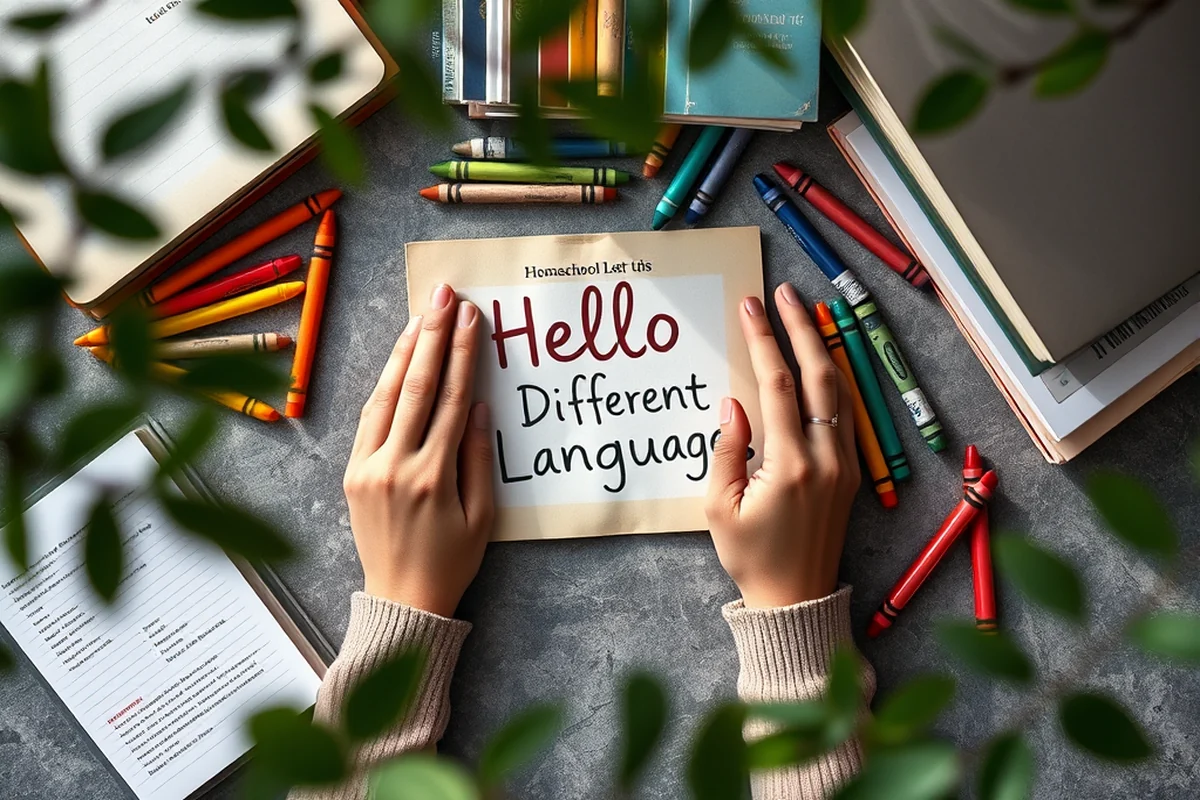
I’ve learned that the most effective language learning happens when parents are actively involved. It’s not enough to just hand a child a flashcard and tell them to memorize the words. They need encouragement, repetition and a safe space to make mistakes. When my daughter was learning to say ‘Shalom’ in Hebrew, she was hesitant at first. After I made it a game and repeated it with her every day, she was excited to use it.
I’ve also noticed that when parents model language learning, children are more likely to take it seriously. When I say a greeting in another language while visiting a new place, my children follow suit. They see that I’m not just learning it for them, but for myself as well. This kind of modeling helps children understand that language learning is a valuable skill.
The most important lesson I’ve learned is that language learning is not about perfection — it’s about progress. When my son mispronounces a greeting, I don’t correct him immediately. Instead, I encourage him to keep trying and celebrate his efforts. This builds confidence and makes learning feel less intimidating.
Related: Meet in spanish
The Benefits of Multilingual Greetings at Home
I’ve noticed that when my children hear different languages spoken in our home, they’re more open to learning them. They see that languages are a part of everyday life, not just something that happens in a classroom. This creates a natural curiosity about other cultures and languages.
We also use greetings as a way to celebrate different cultures. Every time we visit a new country, we learn the greeting for that place and make it a part of our home. Whether it’s ‘Salaam’ in Arabic or ‘Kia ora’ in Maori, these greetings help my children connect with the world beyond our own.
The result is a home that feels more connected to the world. My children not only know how to say ‘hello in different languages,’ but they also understand the value of learning from others. It’s a simple way to introduce them to the beauty of diversity and the power of language.
Related: What place is spanish
How to Keep Kids Motivated to Learn
I’ve found that the best way to keep my children motivated is to make learning feel like an adventure. We treat each new greeting like a discovery — like finding a hidden treasure. My son, for example, loves finding out how to say ‘hello’ in different languages, and he’s always eager to try new ones.
I also use rewards to keep them motivated. When my daughter learns a new greeting, we celebrate it with a small reward — like a sticker or a fun activity. This helps reinforce the learning and makes it feel more rewarding.
The most important thing I’ve learned is that motivation comes from making learning feel fun and meaningful. When children see the value in what they’re learning, they’re more likely to stay engaged and keep practicing.
Language learning is not a race — it’s a journey, and every step counts.
Related: Shelf is spanish
The Long-Term Impact of Early Language Learning
I’ve seen how early exposure to different languages can shape a child’s future. My daughter, who now knows over a dozen greetings in different languages, is more confident in her ability to learn new things. She’s also more open to exploring other cultures and languages as she grows.
I’ve also noticed that children who learn multiple languages at an early age tend to be more flexible in their thinking. They’re better at problem-solving, and they understand that there are many ways to say the same thing. This kind of flexibility is a valuable skill that can help them succeed in school and in life.
The most important thing I’ve learned is that language learning is not just about words — it’s about building a foundation for lifelong learning. When children see that learning is a fun and exciting part of life, they’re more likely to continue exploring new things as they grow.
👶 Younger Kids (Ages 2-4)
For little learners, focus on simple words and actions. Use flashcards with pictures and sounds, and encourage imitation with lots of repetition.
👦 Older Kids (Ages 7-12)
Challenge them with more complex greetings and introduce short phrases. Use games, quizzes and role-playing to keep them engaged.
⏰ No-Prep Version
No need for materials — just say the greeting, repeat it, and encourage the child to repeat it. Use daily interactions as teaching moments.
👥 Group Version
Gather a group of children and teach them different greetings together. Use group activities, songs and games to make learning fun and interactive.
📚 Extension Activity
Introduce short stories or videos in different languages. Encourage children to say the greetings and repeat the words from the story.
| The mistake | Why it happens | The fix |
|---|---|---|
| Trying to teach too many languages at once. | This can overwhelm a child and make learning feel confusing or stressful. | Focus on one or two languages at a time. Let the child become comfortable with one before moving on to the next. |
| Forcing the child to learn without making it fun. | This can turn learning into a chore and make the child resistant to practicing. | Use games, songs and activities to make learning feel like play. Let the child lead the way and choose what they want to learn. |
| Not celebrating progress. | Children need encouragement and positive reinforcement to stay motivated and engaged in learning. | Celebrate every small achievement — whether it’s saying a new greeting or repeating a word correctly. Use stickers, praise or small rewards to make learning feel rewarding. |
| Not being consistent with practice. | Language learning requires regular practice to be effective. Without consistency, progress can be slow or nonexistent. | Set aside a few minutes each day to practice. Make it a part of your routine so it feels natural and not forced. |
Hello In Different Languages
Common Questions
What are some of the best languages to start with for young children?
How can I help my child retain what they learn?
What if my child is shy about speaking in different languages?
Can I learn a language with my child even if I don’t know it myself?
References
- Why Study a Foreign Language? How It Can Benefit Your Life (amu.apus.edu)
- Everyday conversations for English learners: Formal greetings (archive-share.america.gov)
- Hello In Jamaican Language - Online Lesson (articulate.strayer.edu)
- Parisa Tashakori - City of Boulder (bouldercolorado.gov)
- CDC Resources in Languages Other than English (cdc.gov)
Cite this guide
Teaching Foreign Languages at Home (2026). Hello In Different Languages. https://fluentathome.com/hello-in-different-languages/
Feel free to cite or share this guide.