Teaching Foreign Language To Young Learners Tips
📖 Table of Contents
Teaching a foreign language to young learners is a rewarding but complex endeavor that requires a blend of creativity, strategy, and cultural insight. The key to success lies in avoiding common pitfalls, using structured checklists, and tailoring methods to your students' learning styles. This guide provides essential tips and strategies for educators and parents aiming to make language learning engaging and effective for children.[4]
Young learners thrive in environments that are interactive, playful, and linguistically rich. However, many educators and parents struggle with adapting their methods to suit children's developmental stages and interests. Understanding the different types of language teaching, obtaining relevant certifications, and ensuring that lessons are both affordable and effective are crucial for long-term success.[5]
This comprehensive guide will help you handle the challenges and opportunities of teaching a foreign language to young learners. From avoiding common mistakes to exploring budget-friendly alternatives, we'll cover the essentials so you can create a stimulating and inclusive learning environment for children of all ages.
Key Takeaways
- Avoid common mistakes like over-reliance on grammar and underutilizing play-based learning.
- Use structured checklists to ensure consistency and alignment with educational goals.
- Choose teaching methods that match the developmental stage and interests of young learners.
- Consider obtaining a language teaching certificate to enhance your credibility and effectiveness.
Common Mistakes
As of August 2026, one of the most common mistakes is treating young learners as mini-adults, ignoring their developmental stage. Children learn best through play, repetition, and sensory engagement, not through rote memorization or abstract grammar rules. For example, a child may struggle with complex sentence structures but excel at learning vocabulary through songs, games, and visual aids.[1]
Another mistake is overemphasizing grammar rules before building a strong foundation in listening and speaking. Studies show that children who are encouraged to speak and listen in the target language early on develop better fluency and confidence. For instance, using Total Physical Response (TPR) in early language classes can significantly improve comprehension and retention.[2]
Finally, many educators fail to incorporate cultural elements into language lessons, making the learning experience feel disconnected from real-world contexts. Including stories, music, and traditions from the target language's culture can make lessons more engaging and meaningful for young learners.
In this guide:
Checklists
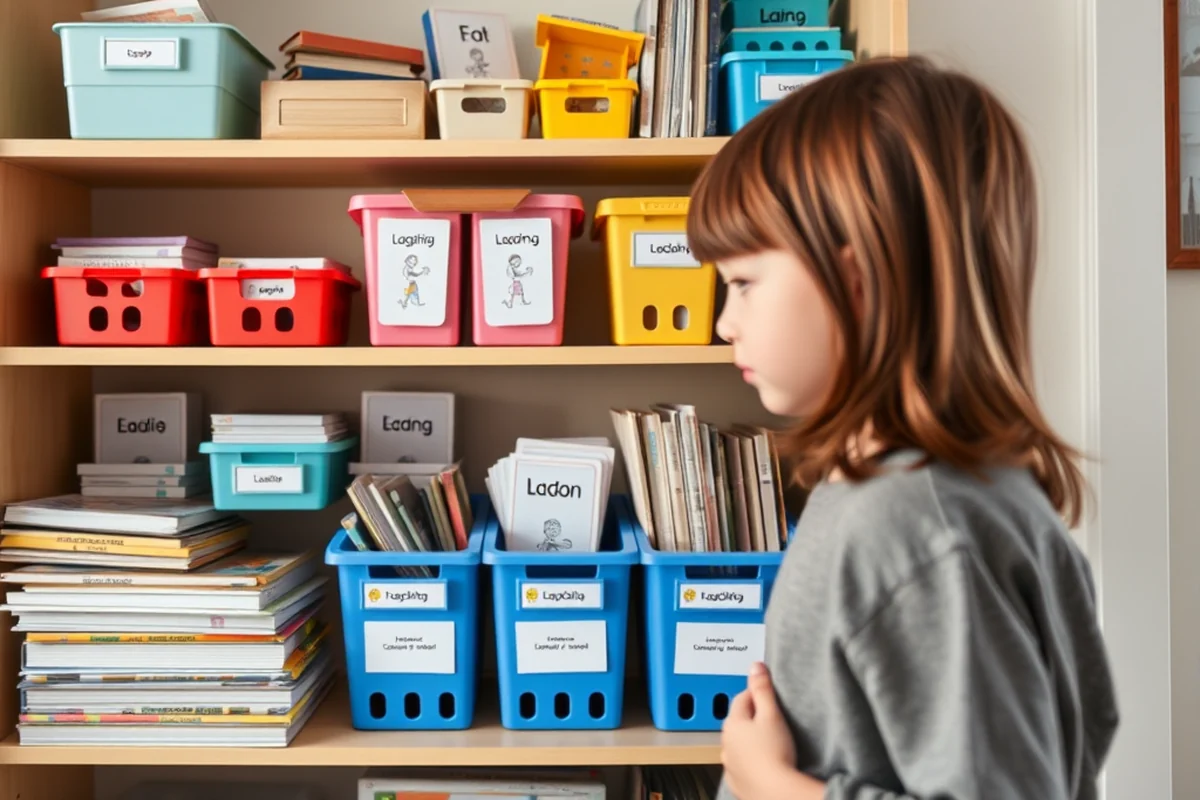
A well-designed checklist can help educators and parents stay organized and focused on the core objectives of language learning. For example, a checklist might include daily vocabulary goals, weekly song or story review, and monthly assessments of listening and speaking skills. This approach helps maintain structure and measurable progress over time.
Including both linguistic and non-linguistic goals in the checklist is essential. Items such as 'Practice pronunciation of 5 new words daily' or 'Integrate a cultural activity once a week' ensure a balanced approach. This helps prevent burnout and ensures that students are exposed to the language in a holistic way.
Checklists are also useful for identifying gaps in learning and areas where additional support is needed. For instance, if a student is struggling with pronunciation, the checklist can flag that early on and allow for targeted intervention, ensuring that no learner is left behind.
Related: Why Teaching A Foreign Language
Related: Is El Senor De Los Cielos
Related: How Are You Spanish
Related: What Is The Spanish Flag
Related: How To Say To Spanish
Related: How To Good Afternoon In Spanish
Related: What Is A Good Afternoon In Spanish
Related: How To The N In Spanish
Related: How To Pool In Spanish
Related: How To Please In Spanish
Types Teaching
One of the most effective methods for young learners is the Total Physical Response (TPR) approach, which uses movement and physical activity to teach language. This method is especially beneficial for very young children, as it connects language with action, making learning more intuitive and engaging.
Another popular method is the Communicative Language Teaching (CLT) approach, which emphasizes real-life communication and interaction. This method encourages students to use the language in practical contexts, such as role-playing, storytelling, and group discussions, which helps build confidence and fluency.
Project-based learning is also becoming increasingly popular in language education for young learners. This method involves students in hands-on projects that require the use of the target language, such as creating a poster, giving a presentation, or organizing a play. This approach promotes deeper engagement and long-term retention of language skills.
“One of the most effective methods for young learners is the Total Physical Response (TPR) approach, which uses movement and physical activity to teach language.”— Teaching Foreign Languages at Home editors
Related: Teaching Of Foreign Language Problems
Language Certificate
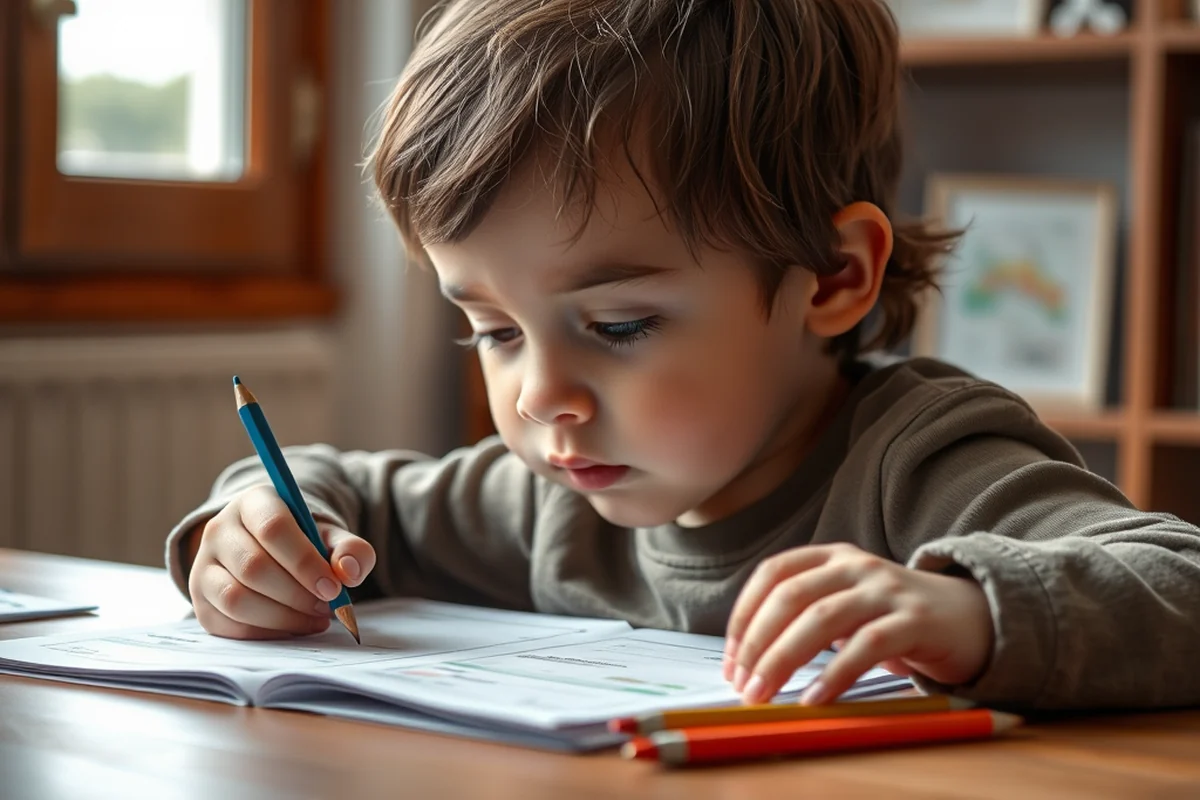
A language teaching certificate, such as the Cambridge CELTA or the TEFL, provides formal training in pedagogy, classroom management, and language acquisition theory. This knowledge is essential for teaching young learners, who require specialized techniques and a deep understanding of child development.
Many language schools and institutions require teachers to hold a recognized teaching certificate before they can begin working. For example, the TEFL certification is widely accepted in international schools and language academies, making it a valuable asset for educators.
Also, holding a language certificate can increase your credibility as an instructor and may qualify you for higher-paying jobs or more advanced teaching positions. It also demonstrates a commitment to professional growth and quality education.
Related: Teaching Of Foreign Language Mistakes
Not Working
One of the most common reasons language teaching doesn't work for young learners is a lack of engagement. If students are not interested in the lesson content, they are unlikely to retain information or participate actively. For example, a lesson that focuses solely on grammar without any interactive elements may fail to hold a child's attention.
Another reason teaching may not be effective is a mismatch between the teaching method and the child's learning style. Some children are visual learners, others are auditory, and still others learn best through hands-on activities. Failing to recognize and accommodate these differences can lead to frustration and disengagement.
Lastly, a lack of consistency or unclear learning objectives can also contribute to ineffective teaching. Without a clear plan and consistent reinforcement, students may not see progress, leading to a loss of motivation and interest in the language.
Budget-Friendly
One of the most cost-effective ways to teach a foreign language to young learners is by using free online resources such as Duolingo, YouTube, and interactive apps. These tools provide engaging and interactive learning experiences without the need for expensive textbooks or software.
Another budget-friendly approach is incorporating games and play into language learning. Simple activities like language-themed board games, memory match, and flashcards can be created at home with minimal cost and provide hours of educational fun.
Community-based learning is also an excellent way to teach a foreign language affordably. For example, local language meetups, cultural exchange programs, and family-friendly language clubs often offer free or low-cost opportunities for children to practice the language in real-life settings.
For Beginners
For beginners teaching a foreign language to young learners, it's crucial to focus on creating a fun, low-pressure environment. Use simple vocabulary, repetitive phrases, and interactive games to keep children engaged and motivated. Incorporating songs, flashcards, and storytelling can help reinforce learning through repetition and context.
Beginners should prioritize short, structured lessons that are broken into manageable parts. Encouraging active participation through role-play, drawing, and movement helps young learners connect words with real-life actions. It's also important to be patient and celebrate small successes to build confidence and a positive attitude toward learning.
To ensure effective learning, teachers and parents should make language part of daily routines—such as using simple greetings, counting, or naming colors. Consistency and immersion are key for young learners, as they help form early language habits and increase retention through repeated exposure.
Alternatives
Alternatives to traditional language teaching include using educational apps, interactive videos, and virtual reality tools that provide immersive and engaging experiences for young learners. These digital resources can make language learning more interactive and fun, while also allowing for personalized learning at the child's own pace.
Another alternative is peer-based learning, where children learn from each other through group activities, language exchanges, or buddy systems. This method encourages social interaction and collaboration, making the learning process more natural and enjoyable. Also, incorporating local culture through food, music, and traditions can help reinforce language learning in a meaningful way.
For those seeking a more hands-on approach, alternatives such as language immersion camps, traveling to countries where the language is spoken, or participating in language festivals can offer real-world exposure. These experiences make learning more memorable and provide opportunities to practice language in authentic settings.
Language Templates
Language templates are useful tools that help educators and parents present new language concepts in an organized and repeatable format. These can include sentence starters, dialogue scripts, and fill-in-the-blank exercises that guide young learners through proper usage and structure. Using templates ensures consistency in teaching and helps reinforce correct language patterns.
Creating visual templates with images, colors, and shapes can aid young learners in understanding and remembering vocabulary. For example, a template for introducing animals might include a picture of an animal along with its name and a simple sentence. This visual and structural support is especially helpful for early language acquisition.
Templates can also be used for interactive activities like matching games, flashcards, and storytelling. By using these pre-designed formats, educators can save time while still ensuring that lessons are engaging and aligned with developmental goals. Language templates are a versatile tool that supports both structured and creative language learning for young children.
Language Course
When selecting or designing a language course for young learners, it's essential to incorporate interactive and age-appropriate content. Courses should include a mix of listening, speaking, reading, and writing activities, all tailored to the developmental stage of the children. This approach ensures that learners remain engaged and motivated throughout their language journey.
A good language course also integrates cultural elements to provide a holistic learning experience. By exposing young learners to the traditions, music, and customs of the target language, the course fosters a deeper connection and appreciation for the language. This cultural immersion enhances retention and makes the learning process more enjoyable.
Also, a successful language course should be flexible and adaptable, allowing for differentiation based on individual learner needs. Teachers can use a variety of resources such as games, videos, and hands-on activities to cater to different learning styles and paces. This flexibility ensures that all students can progress at their own rate while remaining challenged and interested.
Language Skills
Listening is often the first skill young learners develop when acquiring a new language. Incorporating activities like listening to songs, stories, and dialogues helps children recognize sounds, intonation, and pronunciation. These activities should be repeated and paired with visual or physical cues to enhance comprehension and retention.
Speaking skills are best nurtured through interactive and immersive experiences. Encouraging children to participate in role-plays, conversations, and group activities allows them to practice using the language in real-life contexts. Teachers should provide ample opportunities for speaking, offering positive reinforcement to build confidence and fluency.
Reading and writing should be introduced gradually, with a focus on comprehension and expression. Using picture books, simple texts, and interactive writing activities helps young learners connect words with meanings. Writing should start with drawing, tracing letters, and eventually forming simple sentences, all while maintaining a fun and supportive environment.
Troubleshooting and Common Questions
One of the most common challenges when teaching young learners is maintaining their attention. To troubleshoot this, use interactive activities, games, and short, engaging lessons that keep students interested and motivated.
Another frequent question is how to handle varying language abilities in the classroom. The solution lies in differentiated instruction, where you provide materials and activities tailored to different proficiency levels, ensuring all students can participate and progress.
Lastly, parents often ask how they can support language learning at home. Encourage them to practice vocabulary, listen to songs, and use simple language. Provide them with resources like apps, books, and fun activities that reinforce what is taught in class.
Getting Started: Your First Steps
Your first step should be to define your teaching goals. Whether you're focusing on basic vocabulary, simple conversations, or cultural awareness, having clear objectives will help structure your lessons and measure progress effectively.
Next, gather age-appropriate teaching materials. Use colorful flashcards, interactive apps, songs, and stories that are not only educational but also fun. These tools make language learning more engaging for young minds.
Finally, create a welcoming and supportive classroom environment. Encourage participation, celebrate small achievements, and make sure students feel safe to make mistakes. A positive atmosphere fosters confidence and a love for learning.
🌱 Beginner
The simplest version — minimal supplies, quick win.
💰 Budget
Same result using what you already have.
⚡ Quick
The 10-minute version for busy days.
✨ Advanced
The upgraded version once the basics stick.
| The mistake | Why it happens | The fix |
|---|---|---|
| Overemphasizing grammar rules before building listening and speaking skills. | Young learners benefit most from immersive, interactive methods that prioritize communication over rote grammar. | Integrate listening, speaking, and play-based activities early on to build a strong language foundation. |
| Using non-interactive, passive teaching methods. | Children learn best through engagement, movement, and interaction, not through lectures or passive observation. | Incorporate Total Physical Response (TPR), games, and role-playing to create an active learning environment. |
| Ignoring cultural and contextual learning. | Language is deeply tied to culture, and ignoring this connection can make lessons feel disconnected and unengaging for children. | Incorporate stories, music, and traditions from the target language's culture to make lessons more meaningful. |
teaching foreign language to young learners tips
Common Questions
What are the most common mistakes when teaching a foreign language to young learners?
What is a useful teaching foreign language to young learners checklist?
What are the different types of teaching foreign language to young learners?
What is a teaching foreign language certificate guide?
Cite this guide
Teaching Foreign Languages at Home (2026). Teaching Foreign Language To Young Learners Tips. https://fluentathome.com/teaching-foreign-language-to-young-learners-tips/[3]
Feel free to cite or share this guide.
References
- Teaching English to young learners: the challenges and the benefits (academia.edu)
- Teacher's Corner: Teaching Young Learners | American English (americanenglish.state.gov)
- Certificate in Teaching English to Young Learners (TEYL) (anaheim.edu)
- Everything to Know About Teaching ESL to Young Learners - Bridge (bridge.edu)
- Teaching Languages to Young Learners (campusstore.miamioh.edu)