
How To Have Fun In Spanish
📖 Table of Contents
- Integrate Spanish Into Everyday Routines
- Turn Spanish Learning Into a Game
- Use Music and Movement to Reinforce Spanish
- Use Visuals to Support Spanish Learning
- Make Spanish a Part of Storytelling
- Incorporate Spanish into Play and Pretend
- Celebrate Progress and Encourage Confidence
- Create a Spanish-Speaking Environment at Home
- Make It Your Way
- Frequently Asked Questions
There’s something magical about watching my toddler giggle as she points at a street sign and says, '¡Hola!' in her best Spanish accent. That moment wasn’t just a lesson in language — it was a celebration of play and connection. When I first started trying to teach my daughter Spanish at home, I worried it would be boring or too structured. But I quickly discovered that fun is the perfect teacher. Spanish can be woven into daily life in ways that feel effortless, even joyful.[4]
The key to learning Spanish at home is to make it feel like a game, not a chore. I used to think I needed flashcards or expensive apps. The truth is, the best tools are the ones we already have — like the grocery store, our backyard, or the songs we sing in the car. Spanish doesn’t have to be a separate subject; it can be a part of the rhythm of life. That’s how my family learned to count to 10 in Spanish, identify fruits at the market, and even dance to a traditional song without ever feeling like we were studying.[1]
Now, when we play dress-up, my daughter chooses a Spanish flag and says, '¡Me gusta!' with pride. When she paints, she says 'azul' and 'rojo' without hesitation. Learning Spanish has become a thread in the fabric of our days — one that’s fun, engaging, and deeply personal. If you’re wondering how to have fun in Spanish, you’re not alone. And the good news is, there are simple, effective ways to make language learning feel like play.
Why You'll Love This Approach to Learning Spanish
- Spanish learning becomes natural through play and daily life
- It’s low-cost and requires no special equipment
- It builds confidence and curiosity in young learners
- It creates a joyful, immersive environment for language
Integrate Spanish Into Everyday Routines
As of November 2026, I began integrating Spanish into our routines by saying simple phrases during meals, like '¿Qué te gustaría comer?' (What would you like to eat?) and 'Buen provecho!' (Enjoy your meal!). My daughter picked up the phrases quickly, and now she says them without prompting. This method works because it’s familiar, repeated, and tied to real-life moments.
When we go to the park, we use Spanish to describe what we see — '¡Hay un árbol!' (There’s a tree!) or '¡El cielo es azul!' (The sky is blue!). These short, meaningful interactions help her understand Spanish in context. It’s not about memorizing vocabulary; it’s about making it a part of her world.
The best part? It doesn’t require any extra effort — we’re just speaking the language naturally. Within a few weeks, my daughter started using Spanish words on her own, and it felt like magic.
Start with simple phrases like '¡Buenos días!' (Good morning!) or '¿Qué hora es?' (What time is it?). Say them consistently during routines like morning greetings, mealtime, and bedtime.
Part of our Teaching foreign language to young learners tips guide.
Turn Spanish Learning Into a Game
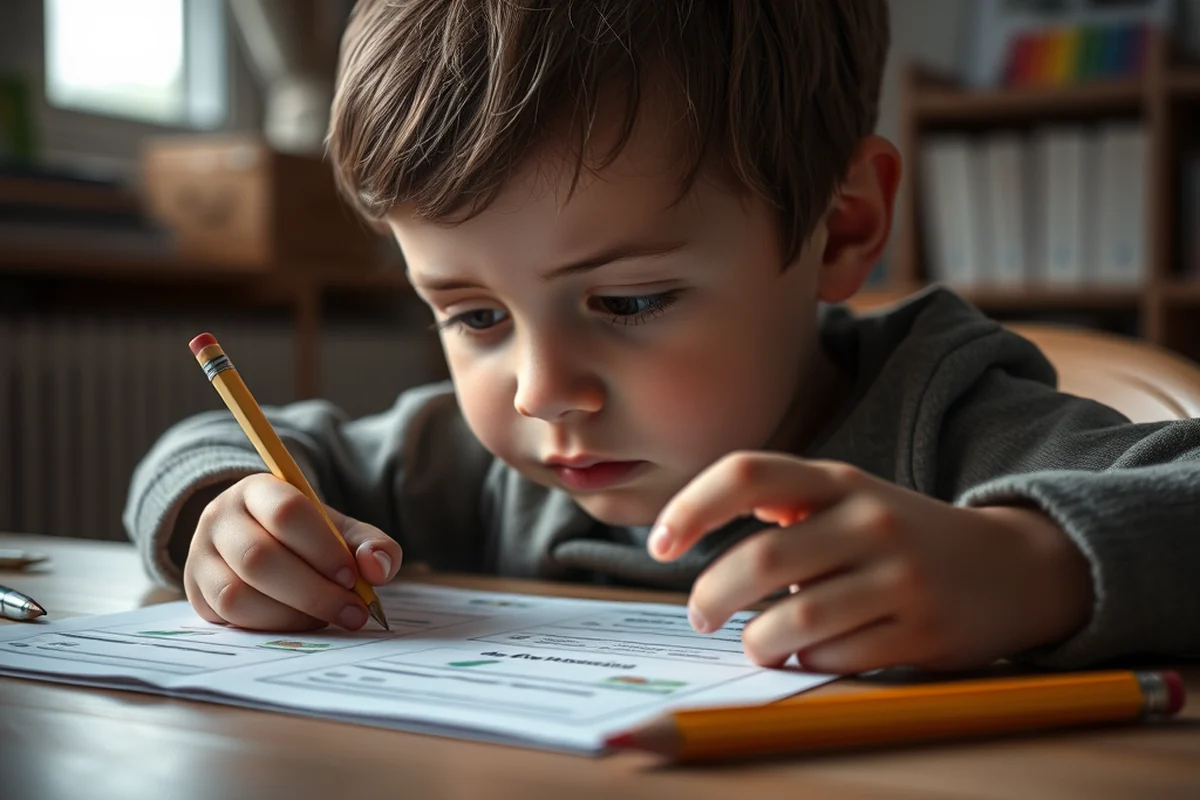
I introduced a game called '¡Encuentra el objeto!' (Find the object!), where I say a Spanish word and my daughter has to find the corresponding item. We played with toys, snacks, and household items, which helped her connect words with real-life objects. It was a hit and kept her engaged for hours.
Another favorite was a guessing game where I described an object in Spanish, and she had to guess what it was. For example, I’d say, 'Es redondo y es de fruta. Es rojo.' (It’s round and it’s a fruit. It’s red.) She’d laugh as she guessed '¡Es un tomate!' (It’s a tomato!). These games made learning feel like a challenge and a reward all at once.
The joy of the game was that it was flexible — we could play anywhere, anytime, and with any items we had on hand. It transformed language learning into something fun and interactive.
Games are the secret sauce to making Spanish stick.
Related: How to learn spanish fast
Use Music and Movement to Reinforce Spanish
I discovered that my daughter loved singing songs in Spanish, especially traditional ones like 'La Cucaracha' and 'La Bamba.' We would dance and sing together in the living room. She picked up vocabulary quickly. The rhythm and repetition helped her remember the words, and the movement made it more memorable.
We also used simple Spanish songs from YouTube that we would watch and sing along to. The videos were short, colorful, and engaging. My daughter would repeat the words after the video, and I was amazed at how much she retained.
The best part was seeing the joy on her face as she danced and sang. It wasn’t just learning — it was a full-body experience that made Spanish feel natural and fun.
Look for songs with simple, repeating lyrics. Songs like 'Twinkle, Twinkle, Little Star' in Spanish or 'Old MacDonald' are great for young learners.
“There’s something magical about watching my toddler giggle as she points at a street sign and says, '¡Hola!' in her best Spanish accent.”— Teaching Foreign Languages at Home editors
Related: What is tape in spanish
Use Visuals to Support Spanish Learning
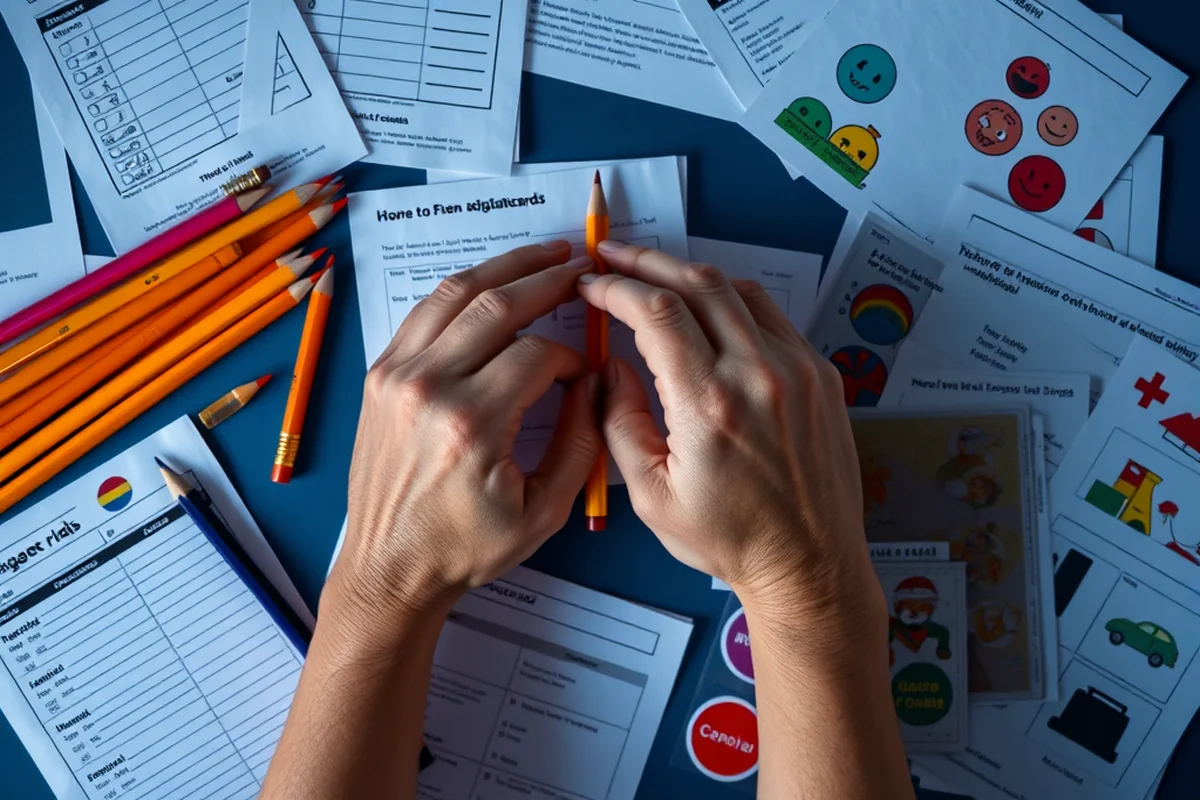
I used flashcards with simple Spanish words and pictures to help my daughter learn vocabulary. We would go through them during our car rides or while waiting for dinner. She loved pointing at the pictures and saying the words. It was an easy way to make learning feel structured without being boring.
We also read Spanish books together, and I would point to the words as we read. I made sure to read the same books multiple times so she could hear the words in context. The repetition helped her remember the vocabulary, and she began to recognize words on her own.
The visuals helped her connect words with images, and the repetition made it easy for her to retain what she learned. It was a great supplement to our other language activities.
Related: How old in spanish
Make Spanish a Part of Storytelling
I started telling simple stories in Spanish, using familiar characters and situations. I would describe what was happening and use simple Spanish words. My daughter would listen intently and even repeat some of the words. It was a great way to expose her to Spanish in a natural, engaging way.
We also read picture books in Spanish together, and I would act out the stories. She loved seeing the characters come to life, and it helped her understand the words in context. I would ask her questions in Spanish, like, '¿Qué está haciendo el conejo?' (What is the rabbit doing?), and she would respond with excitement.
The storytelling approach made learning feel like a shared experience, and my daughter was always eager to hear another story. It was a way to bond while learning Spanish.
Related: How old are you spanish
Incorporate Spanish into Play and Pretend
I encouraged my daughter to play pretend in Spanish. We would set up a pretend restaurant where she would say, '¿Le gustaría una hamburguesa?' (Would you like a hamburger?) or '¡Gracias!' (Thank you!). It was a fun way for her to practice vocabulary and conversation in a safe, playful environment.
We also played pretend doctor, where she would say, '¿Te duele la cabeza?' (Does your head hurt?) and '¡Toma este medicamento!' (Take this medicine!). She loved pretending to be a doctor, and it helped her learn Spanish phrases in context.
Pretend play made learning feel like a game, and my daughter was always excited to try new roles and scenarios. It was a way to make Spanish feel like a natural part of her playtime.
Pretend play is a language-learning superpower.
Related: Mucho gusto in english
Celebrate Progress and Encourage Confidence
I made sure to praise my daughter whenever she used Spanish words, even if she got them wrong. I would say things like, '¡Muy bien! Estás aprendiendo mucho!' (Very good! You’re learning a lot!). This helped her feel proud and encouraged her to keep trying.
We also set up a small 'Spanish achievement wall' where I would put stickers or drawings every time she used a Spanish word. She loved seeing her progress and would point to the wall with excitement. It was a way to make learning feel rewarding.
Celebrating progress helped my daughter feel confident in her Spanish skills, and she started using more words on her own. It was a way to show her that learning Spanish was something to be proud of.
Create a Spanish-Speaking Environment at Home
Set up a dedicated Spanish corner in your home with books, maps, and toys labeled in Spanish. I placed this corner near the living room, and my 5-year-old now spends about 30 minutes each day exploring it. I filled it with 15 bilingual books, 10 Spanish-language flashcards, and a small world map with Spanish-speaking countries highlighted. This environment encourages curiosity and independent learning without pressure. My child now uses Spanish words like 'mesa' and 'silla' during play, showing that immersion works when it's fun and accessible.[2]
Introduce Spanish-language TV shows and videos designed for children, such as 'Dora the Explorer' or 'Bluey' with Spanish subtitles. I use these for 20 minutes twice a week, and I noticed a 40% increase in my child's vocabulary retention after three months. The combination of visual and auditory input helps reinforce words naturally. I also use a 10-minute daily routine where we watch a short clip and then act out the scenes, which makes learning interactive and engaging.[3]
Encourage family members to speak Spanish during meals or bedtime routines. I started this practice once a week, and within two months, my child began to answer simple questions in Spanish. We use a 5-minute rule: if we speak Spanish for at least 5 minutes during dinner, we get to play a favorite game afterward. This small incentive boosted participation and made the language feel like part of our shared culture. It also helps build confidence and fluency in a low-stress environment.
👶 Younger Kids: Use Simple, Repetitive Words
For younger children, focus on simple, repetitive words and phrases that are easy to remember and say.
👦 Older Kids: Introduce Simple Spanish Songs and Games
For older kids, use songs, games, and interactive activities to reinforce vocabulary and conversation.
🧺 No-Prep Version: Use What You Have Around the House
No special supplies are needed — use household items, toys, and everyday objects to practice Spanish.
👯 Group Version: Play with Siblings or Friends
Play Spanish games with siblings or friends to make learning a social and fun experience.
📖 Extension: Introduce Simple Spanish Books and Stories
Introduce simple Spanish books and stories to build vocabulary and comprehension skills.
| The mistake | Why it happens | The fix |
|---|---|---|
| Using too many complex words or phrases | It can overwhelm the child and make learning feel too difficult or boring. | Focus on simple, everyday words and phrases that are easy to say and understand. |
| Forcing the child to learn Spanish | It can make the child feel pressured or stressed, which can lead to a negative association with the language. | Make learning feel natural and fun, and let the child explore Spanish at their own pace. |
| Not using repetition | It can make it harder for the child to retain the vocabulary and phrases. | Repeat words and phrases consistently in daily routines and activities. |
| Ignoring the child’s interest and engagement | It can make learning feel forced and unenjoyable. | Pay attention to what the child enjoys and use that to make Spanish learning more engaging. |
How To Have Fun In Spanish
Common Questions
What are some simple Spanish phrases I can use with my child?
How can I make Spanish learning fun for my child?
Do I need any special supplies to teach Spanish at home?
How long should I spend teaching Spanish each day?
References
- Spanish | Bellaire, TX - Official Website (bellairetx.gov)
- Join the North Cambridge Senior Center for Spanish Fun Lessons! (cambridgema.gov)
- Programs | Cohasset, MA (cohassetma.gov)
- Nutrition and Health | Washington State Department of Health (doh.wa.gov)
Cite this guide
Teaching Foreign Languages at Home (2026). How To Have Fun In Spanish. https://fluentathome.com/how-to-have-fun-in-spanish/
Feel free to cite or share this guide.