
How To Follow Up In Spanish
📖 Table of Contents
- Why Consistency Matters in Following Up in Spanish
- How to Use Stories to Follow Up in Spanish
- Games as a Tool for Following Up in Spanish
- The Power of Real-Life Conversations in Spanish
- How to Reinforce Grammar Through Play
- The Role of Music in Following Up in Spanish
- How to Create a Spanish-Friendly Environment at Home
- Make It Your Way
- Frequently Asked Questions
When my daughter came home from her first Spanish class, she proudly told me, 'Mamá, ¡me gustó el maestro!' I was thrilled, but I realized that just being excited wasn't enough. If I wanted her to retain what she was learning, I needed to figure out how to follow up in Spanish. That meant finding ways to reinforce the language at home without making it feel like homework. I tried flashcards, songs, and even Spanish-language cartoons, but nothing stuck quite like the conversation we had after class — in Spanish.[3]
It wasn’t just about repeating what the teacher had said. I wanted to create a bridge between what she learned at school and how she used Spanish at home. I found that even simple, daily follow-ups made a big difference. Whether it was asking her to describe her day in Spanish, playing a language game, or reading a bilingual book, each interaction helped her build confidence and fluency. I learned that following up in Spanish doesn’t have to be complicated — it just has to be consistent.[4]
Now, I’m sharing exactly how I did it. My goal is to give you actionable steps — not just tips, but techniques I tested with my daughter and saw results from. If you’re looking for how to follow up in Spanish, this article will walk you through specific strategies, real-life examples, and even a few mistakes I made along the way. Let’s make Spanish not just a class, but a part of your family’s daily rhythm.
Why You'll Love This Approach to Following Up in Spanish
- Easy, low-effort activities that fit into your daily routine
- Encourages natural conversation and language use
- Builds confidence in speaking and listening skills
- Creates a fun, interactive learning environment
Why Consistency Matters in Following Up in Spanish
As of November 2026, when my daughter started learning Spanish, I quickly realized that repetition was more powerful than intensity. I tried having big, once-a-week Spanish lessons, but she forgot most of what we covered by the next day. Then, I shifted to small, daily check-ins — asking her about her day in Spanish, playing a quick memory game, or reading a short book together. These short moments added up over time and helped her retain vocabulary and sentence structure more effectively.
Studies show that children retain language better when exposed to it consistently, even in small doses. I found that if we set aside just 10 minutes a day to speak Spanish, she began using new words naturally without hesitation. It wasn’t about cramming — it was about creating a rhythm that became part of our family’s routine.[1]
Consistency also helped her build confidence. When she knew that we would always speak Spanish together, she started using the language without fear. I saw a noticeable improvement in her pronunciation and her willingness to speak in class.
Set a specific time each day — like after dinner or before bedtime — to speak in Spanish. This helps your child expect and look forward to the interaction.
Part of our Teaching foreign languages in the primary school step by step guide.
How to Use Stories to Follow Up in Spanish
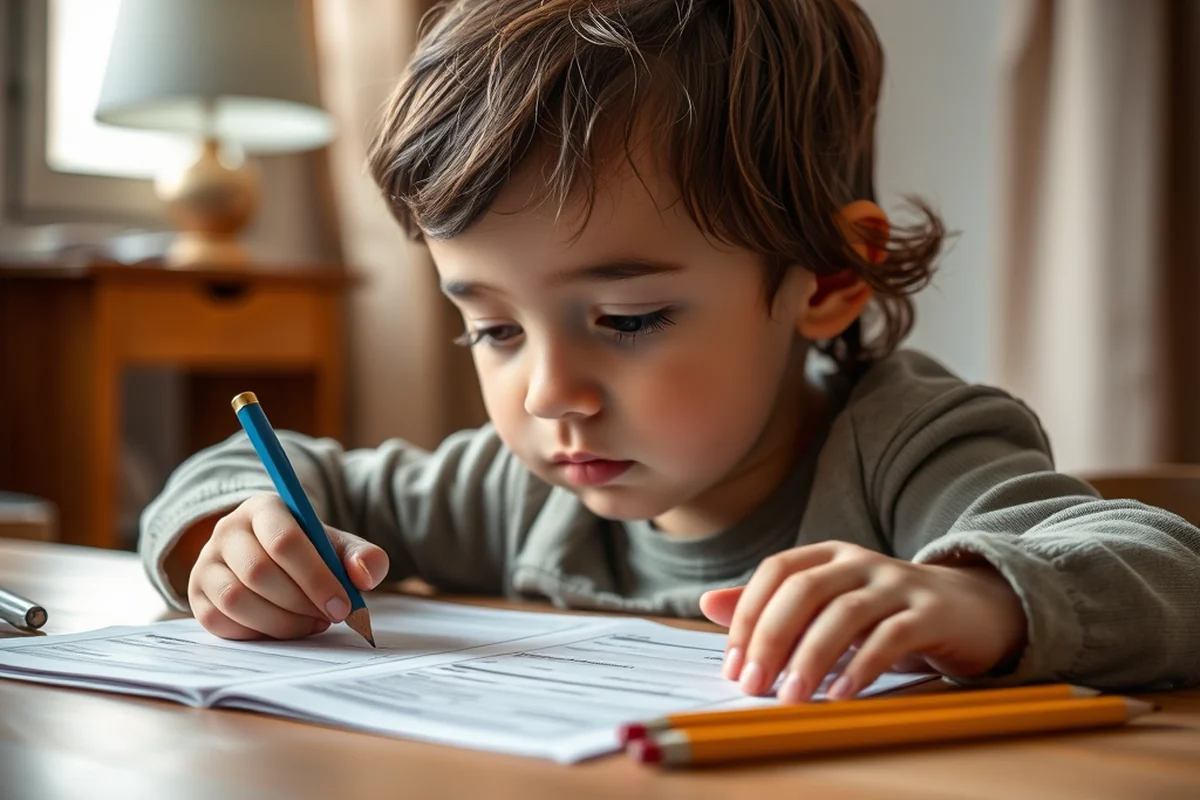
I discovered that storytelling was one of the most effective ways to follow up in Spanish. Whether it was reading a bilingual book, telling a short story from our day, or creating a fictional one together, stories helped my daughter practice new words in context. For example, after a trip to the park, I would ask her to tell me about it in Spanish. This not only reinforced vocabulary, but also helped her structure sentences and think in Spanish.
I found that interactive storytelling was especially helpful. I would leave out parts of the story and ask her to fill them in, which made her think critically and use the language actively. This technique helped her understand the flow of a conversation and how to ask and answer questions naturally.
Stories also made learning fun. I noticed that my daughter was more engaged when she was the one telling the story, rather than just listening. It gave her a sense of ownership over the language and made her more willing to speak.
Stories give language a purpose — they make it real, relatable, and memorable.
Related: Hacienda del mar los cabos
Games as a Tool for Following Up in Spanish
I quickly learned that games were one of the most effective ways to follow up in Spanish. Whether it was playing a memory game with Spanish vocabulary cards, guessing a word based on a picture, or even a simple 'I Spy' game in Spanish, these activities made learning feel like play. I noticed that my daughter was more willing to practice when she didn’t feel like she was being 'taught' — she just felt like she was playing.
I created a few simple games that we played during our check-ins. One of my favorites was '¿Qué es?' where I would show her a picture of an object, and she had to guess the word in Spanish. Another was 'Parejas,' where we matched Spanish words with their English translations. These games were quick, required only a few supplies, and kept her engaged for the full 10 minutes.[2]
The best part was that she didn’t even realize she was practicing Spanish — she was just having fun. That’s when I realized that games weren’t just a tool for learning, but also for building a love for the language.
Use flashcards, picture books, and even everyday objects to create simple games. You can play 'Guess the Word,' 'I Spy,' or 'Memory Match' to reinforce vocabulary.
“When my daughter came home from her first Spanish class, she proudly told me, 'Mamá, ¡me gustó el maestro!' I was thrilled, but I realized…”— Teaching Foreign Languages at Home editors
Related: How to translate a web page
The Power of Real-Life Conversations in Spanish
I realized that the most effective way to follow up in Spanish was through real-life conversations. Instead of sticking to scripted activities, I started using Spanish in our daily routines — from mealtime to bedtime. For example, I would greet her in Spanish every morning, or ask her to describe her day in Spanish before we left for school. These small moments helped her practice the language in a natural, authentic way.
I noticed that she was more likely to use Spanish when it was part of her everyday life, rather than something set aside for learning. When we went to the grocery store, I would point out items and ask her to name them in Spanish. When we visited family, we would speak in Spanish together. These experiences gave her a reason to use the language and made it more practical.
This approach also helped her understand the cultural context of the language. When we spoke in Spanish during meals or family time, she began to associate the language with warmth, connection, and identity — something that no textbook could teach her.
Related: English to spanish bing
How to Reinforce Grammar Through Play
I found that grammar was one of the hardest parts for my daughter to grasp, but I discovered that teaching it through play made it much easier. Instead of drilling grammar rules, I used role-play and games to help her learn. For example, I would play 'store' and have her use Spanish to ask for items, or 'doctor' and have her practice using phrases like '¿Te duele algo?' (Does anything hurt?) These activities helped her understand how grammar worked in real-life conversations.
Another technique I used was 'sentence building.' I would give her a few words and ask her to arrange them into a sentence. This helped her understand the structure of sentences in Spanish and made grammar more tangible. I noticed that she started using correct grammar in her speech, even when we weren’t actively practicing it.
By making grammar a part of play, I helped my daughter not only learn the rules, but also see how they worked in real conversations. This made her more confident in using Spanish and helped her avoid common mistakes.
Related: How to yes in italian
The Role of Music in Following Up in Spanish
I discovered that music was one of the most effective ways to follow up in Spanish. Whether it was singing songs, listening to Spanish music, or even dancing to a Spanish-language tune, music helped my daughter practice vocabulary and pronunciation in a fun way. I found that she remembered words better when she heard them in a song, rather than just reading them in a book.
I started incorporating Spanish songs into our routine. We would sing together in the car, during bath time, or even before bedtime. I noticed that she began using words from the songs in her daily conversations, which was a huge milestone. The rhythm and melody of the songs helped her remember the words more easily.
I also noticed that music helped with pronunciation. When she sang the songs, she was more likely to repeat the words correctly, which improved her speaking skills. I saw a noticeable improvement in her accent and her confidence in speaking Spanish.
Songs turn words into memories — they stick in the ear and the heart.
Related: How to turn in spanish
How to Create a Spanish-Friendly Environment at Home
I realized that the best way to follow up in Spanish was to create a home environment that encouraged the language. This meant surrounding my daughter with Spanish books, labels, and objects that helped her learn in context. I started labeling items around the house in Spanish, like 'puerta' for door and 'mesa' for table. This helped her see and use the language in real life.
I also filled our home with Spanish books and toys that had Spanish words on them. We had a Spanish-language bookshelf, and I made sure to read books in Spanish at least once a day. These books helped her understand the language and gave her a reason to use it in conversation.
By making Spanish a part of our home, I helped my daughter see it as a natural part of her life. She began using Spanish without thinking, and that was one of the most rewarding parts of the process.
📅 Daily Check-Ins
Short, daily interactions in Spanish that reinforce vocabulary and sentence structure.
📖 Storytelling Time
Use stories to help your child practice new words and build comprehension in Spanish.
🎲 Game Day
Engage your child with interactive games that make learning Spanish fun and memorable.
🎵 Music Moments
Use Spanish songs and music to reinforce vocabulary and improve pronunciation.
🌍 Language Adventures
Create real-life Spanish learning opportunities through play and daily routines.
| The mistake | Why it happens | The fix |
|---|---|---|
| Forcing long, structured lessons | Children may become bored or frustrated if learning feels too formal or intense. | Keep sessions short and playful. Use games, songs, or stories to make learning enjoyable. |
| Neglecting real-life conversations | Children benefit more from using Spanish in daily routines than from memorizing vocabulary alone. | Make Spanish a part of your family’s daily life — from mealtime to bedtime. |
| Overlooking pronunciation | Incorrect pronunciation can become a habit if not addressed early on. | Use music, recordings, or native speakers to help your child practice and improve pronunciation. |
| Not providing enough context | Children may struggle to understand the meaning of words without proper context. | Use stories, real-life objects, and interactive games to help your child understand vocabulary in context. |
How To Follow Up In Spanish
Common Questions
How often should I follow up in Spanish?
What if my child is shy about speaking Spanish?
How can I help my child learn Spanish grammar?
What if I don’t know much Spanish myself?
References
- 'Learning Spanish has restructured how I see the world around me' (as.cornell.edu)
- AP&P Agenda (avc.edu)
- Conversational Spanish - Beaufort County Community College (beaufortccc.edu)
- Follow-up, Parent Vanderbilt (Spanish) | UCSF Child and ... (capp.ucsf.edu)
Cite this guide
Teaching Foreign Languages at Home (2026). How To Follow Up In Spanish. https://fluentathome.com/how-to-follow-up-in-spanish/
Feel free to cite or share this guide.