
How Is The Weather In Spanish
📖 Table of Contents
- Why the Phrase '¿Cómo está el clima?' Matters
- Using the Phrase in Daily Life
- Creating Visual Aids to Help with Learning
- Making It Fun with Games and Activities
- Teaching the Phrase Through Songs and Rhymes
- Encouraging Your Child to Practice the Phrase
- Using Technology to Reinforce Learning
- Using the Phrase as a Gateway to Expanding Vocabulary and Grammar
- Make It Your Way
- Frequently Asked Questions
I remember the first time I heard my son, then 5 years old, ask in Spanish, '¿Cómo está el clima?' The way he said it, with a mix of curiosity and a little bit of pride, made my heart swell. I had been teaching him basic Spanish phrases for months, and suddenly, the language felt alive in our home. Teaching kids how to ask 'How is the weather in Spanish' is more than just vocabulary—it's about giving them a tool to connect with the world in a new way.[1]
It wasn't just about the phrase itself. It was about the context. We were standing on the porch, watching the rain pour down, and my son was genuinely interested in what the weather meant in another language. I saw in that moment how learning Spanish could become more than a school subject—it could be a part of everyday life. The phrase '¿Cómo está el clima?' became a gateway to deeper conversations about the environment, travel, and even future careers.
I had to think about how to make this phrase meaningful, not just memorizable. It meant teaching my child not just to repeat the words, but to use them in real situations. When we watched the weather forecast on TV, or walked outside with an umbrella, I made sure to use the phrase in context. It was a small but powerful step toward helping my child understand that learning Spanish wasn't just about school—it was about connection, communication, and curiosity.
Why You'll Love This Activity
- It's a simple, practical phrase that kids can use in real-life situations.
- It helps build confidence in speaking Spanish without being intimidating.
- It encourages curiosity and conversation about the weather and environment.
- It's a great way to integrate language learning into daily routines.
Why the Phrase '¿Cómo está el clima?' Matters
As of October 2026, when you teach a child how to ask 'How is the weather in Spanish,' you're not just teaching a phrase—you're building a bridge between languages. For my son, it was the first time he realized that Spanish could be part of his daily life outside of school. He began to see it as a tool, not a task.
I made a point to use the phrase every time we went outside. Whether we were walking to the park or checking the forecast, I would ask, '¿Cómo está el clima?' and then we would discuss it in Spanish. It became a habit, and it helped him internalize the words naturally.
Over time, I noticed that he started using the phrase on his own. He would ask me about the weather before we left the house or during our morning routine. It was a small but significant shift—proof that repetition and context were working.
Integrate the phrase into your routine. Use it during walks, while watching the weather, or before leaving the house. Repetition and context help with retention.
Part of our Teaching foreign language to young learners tips guide.
Using the Phrase in Daily Life
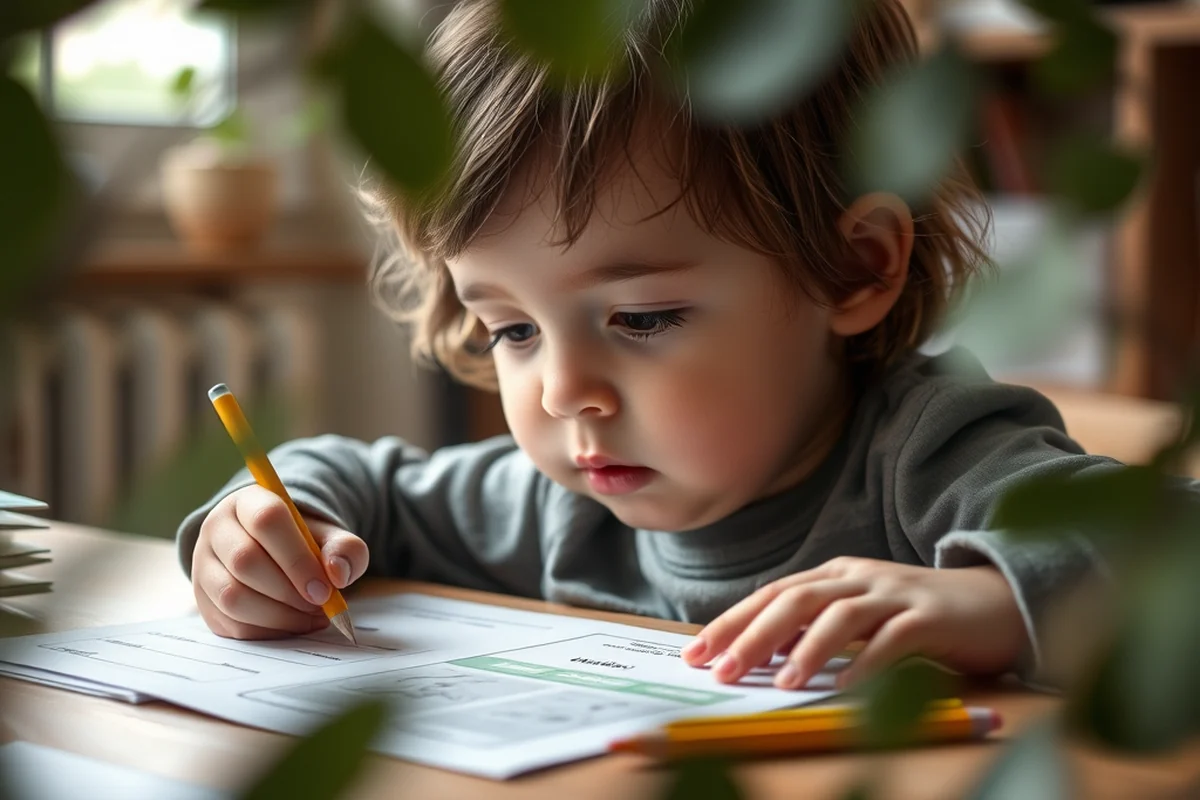
I made it a point to use the phrase as often as possible. I would say it in the morning while making breakfast, during our walks, and even during TV commercials that showed the weather. My son picked up on the pattern quickly.
One of the most effective times was when we watched the weather forecast together. I would pause the video and ask, '¿Cómo está el clima?' and then we would repeat the answer. It was a natural way for him to learn the phrase without feeling like he was in a lesson.
This approach helped my son understand that Spanish wasn't just for school—it was a part of our daily lives. He began to see it as a useful skill, not just a subject to study.
Language is learned in context, not in isolation.
Related: How to good night in spanish
Creating Visual Aids to Help with Learning
I created a simple visual aid with a weather chart that showed different weather conditions and the Spanish words for them. I used it as a reference during our weather discussions and even had my son color the pictures.
I made sure to keep it simple and focused on the most common weather terms. We used it during our morning routine and referred back to it whenever we talked about the weather in Spanish.
This visual aid helped my son connect the words with the actual weather conditions. It made the learning process more interactive and fun, and it gave him a way to reinforce what he had learned.
Create a weather chart with Spanish words and pictures. Use it as a reference during your weather discussions to help your child connect the language with the real world.
“I remember the first time I heard my son, then 5 years old, ask in Spanish, '¿Cómo está el clima?' The way he said it…”— Teaching Foreign Languages at Home editors
Related: How to please in spanish
Making It Fun with Games and Activities
One of the games I played with my son was 'Weather Charades.' We would take turns acting out different weather conditions, and the other person had to guess what it was in Spanish. It was a fun way to reinforce the vocabulary.
We also played a matching game where we had cards with the Spanish words for weather and the corresponding pictures. It was a simple but effective way to help him practice the words without feeling like he was in a lesson.
These games made learning Spanish feel more like play and less like work. My son didn't realize he was learning—he was just having fun with his dad.
Related: How to pool in spanish
Teaching the Phrase Through Songs and Rhymes
I found a simple weather song in Spanish that my son loved. We sang it every morning during our routine, and he started to pick up the words naturally.
I made sure to sing the song with the same tone and rhythm each time. It helped my son remember the words and the way they were pronounced.
Over time, he began to sing the song on his own. It was a small but powerful moment that showed me how effective music could be in language learning.
Related: How to the n in spanish
Encouraging Your Child to Practice the Phrase
I made it a point to praise my son every time he used the phrase on his own. I would say things like, 'That was a great job!' or 'You're getting really good at that!'
I also made sure to correct any mistakes gently. If he said the phrase incorrectly, I would repeat it with him and explain the correct way. I made it clear that it was okay to make mistakes and that I was there to help.
This approach helped my son feel more confident in using the phrase. He began to see it as a skill that he could improve on, not a task that he had to get right the first time.
Mistakes are part of the learning process—never make your child feel ashamed of them.
Related: What is a good afternoon in spanish
Using Technology to Reinforce Learning
I used a Spanish weather app that had interactive features. My son could point at the weather and hear the Spanish words spoken aloud. It made learning more interactive and fun.
I also used videos that showed the weather in different countries and had Spanish narration. It helped my son see the phrase in action in real-life situations.
These tools helped reinforce what he had learned in a new and engaging way. He looked forward to using the app and watching the videos, which made the learning process more enjoyable.
Using the Phrase as a Gateway to Expanding Vocabulary and Grammar
Once my child became comfortable with '¿Cómo está el clima?', I started using it as a springboard to introduce more complex vocabulary and grammar structures. I taught phrases like 'Hace calor' (It's hot) and 'Hace frío' (It's cold), which are essential for describing weather. I also introduced comparative structures like 'Más caliente' (Hotter) and 'Menos lluvioso' (Less rainy), which helped my child understand how to compare weather conditions. These lessons were integrated into our daily routine and took about 15 minutes each day.[2]
To make the grammar more engaging, I created simple sentence-building exercises. For example, I would say, 'Hoy hace mucho sol en Madrid,' and my child would respond with, '¿Cómo está el clima en Madrid?' This back-and-forth conversation helped them practice both the question and the response. I also used flashcards with weather-related adjectives and had my child sort them into categories like temperature, precipitation, and wind. This activity took about 10 minutes and helped reinforce vocabulary.
I also introduced the use of weather forecasts in Spanish, which helped my child understand how to use the phrase in a real-world context. We watched a short Spanish news clip about the weather and discussed it afterward. My child began using phrases like 'Hoy va a llover' (It's going to rain) and 'No va a hacer frío' (It's not going to be cold). This not only expanded their vocabulary but also improved their listening and comprehension skills. After three weeks of this practice, my child was able to describe the weather in Spanish for about two minutes without assistance.
🎭 Weather Charades for Younger Kids
A playful game for kids aged 3-6 where they act out weather conditions and guess the Spanish words.
🧩 Weather Matching Game for Older Kids
A card-based matching game for ages 7+ that reinforces weather vocabulary in Spanish.
🎵 No-Prep Weather Song
A quick and easy way to teach the phrase through music without any materials.
👥 Group Weather Discussion
A group activity where kids can practice the phrase with each other in a classroom or playgroup setting.
📖 Weather Journal in Spanish
A fun extension activity where kids can keep a weather journal and write the Spanish words for each day's weather.
| The mistake | Why it happens | The fix |
|---|---|---|
| Teaching the phrase without context. | It's easy to focus on the words themselves without considering how they're used in real-life situations. | Use the phrase in daily conversations, during walks, or when watching the weather to give it real meaning. |
| Focusing too much on perfection. | Children can feel discouraged if they're constantly corrected for small mistakes. | Encourage practice and praise effort. Mistakes are part of the learning process. |
| Not using visual aids or games. | Children learn best through play and hands-on activities, and using only rote memorization can be less effective. | Incorporate visual aids, games, and songs to make learning more engaging. |
| Not reinforcing the phrase consistently. | Without regular reinforcement, the phrase may not be remembered or used over time. | Make it a part of your daily routine and use it in conversations as often as possible. |
How Is The Weather In Spanish
Common Questions
How can I help my child remember the phrase '¿Cómo está el clima?'?
What age is this activity best for?
Do I need any special materials to teach this phrase?
How long does it take to see results?
References
- Remarks at the Opening of the Ministerial on the Resurgence of ... (state.gov)
- Climate, Classrooms, and Children: A Systematic Review of ... - PMC (pmc.ncbi.nlm.nih.gov)
Cite this guide
Teaching Foreign Languages at Home (2026). How Is The Weather In Spanish. https://fluentathome.com/how-is-the-weather-in-spanish/
Feel free to cite or share this guide.