What Is Best Way To Learn A Language
📖 Table of Contents
Learning a new language can feel like stepping into a world that’s both thrilling and overwhelming. I’ll never forget the first time I tried to say ‘merci’ in French at a market in Paris — my accent was so strong that the baker laughed. I felt both embarrassed and oddly proud. That moment taught me that language learning is messy, personal, and deeply rewarding. Whether you're a parent trying to help your child or someone who wants to master a new tongue, the journey is more about consistency than perfection.
For years, I experimented with different approaches: flashcards, apps, immersion, even a few online courses. Some worked, some didn’t. The key takeaway? There’s no one-size-fits-all answer to the question, 'what is best way to learn a language.' But there are patterns — methods that stick, habits that build muscle memory. Tools that make the process feel less like a chore and more like a conversation.
What I found was that the best way to learn a language involves a blend of listening, speaking, and real-world application. It’s not about memorizing vocabulary lists or spending hours in a classroom. It’s about making mistakes, laughing at them, and trying again. And that’s exactly what this article is about — practical, sensory, and proven strategies that make language learning enjoyable, effective, and personal.
Why You'll Love This Approach
- It blends listening, speaking, and real-world use for natural fluency.
- You don’t need expensive books or tutors — just consistency and effort.
- It’s adaptable for any age, from toddlers to adults.
- You’ll see improvement within weeks, not years.
Why Immersion Works So Well
As of September 2026, when you’re surrounded by a language — hearing it, speaking it, and using it daily — your brain begins to pick it up almost effortlessly. I tested this with my daughter by switching our home environment to Spanish for a month. Within two weeks, she was using simple phrases like '¿Dónde está el baño?' (Where is the bathroom?) without prompting.
This method isn’t just about speaking; it’s about context. When a child hears a word in a real-life situation — like playing with blocks or eating an apple — they make stronger neural connections. This is why immersion is so powerful. It’s not about memorization, but about lived experience.
One of the best parts of immersion is that it can be done at home, in the car, or even in the park. I used Spanish audiobooks and watched cartoons with subtitles while doing chores, and my daughter picked up vocabulary faster than I ever expected.
Try labeling household items in the target language, using language-specific audiobooks, or even setting a ‘language hour’ each day where only that language is spoken.
Part of our Teaching foreign languages guide.
Why Repetition Is Your Best Friend
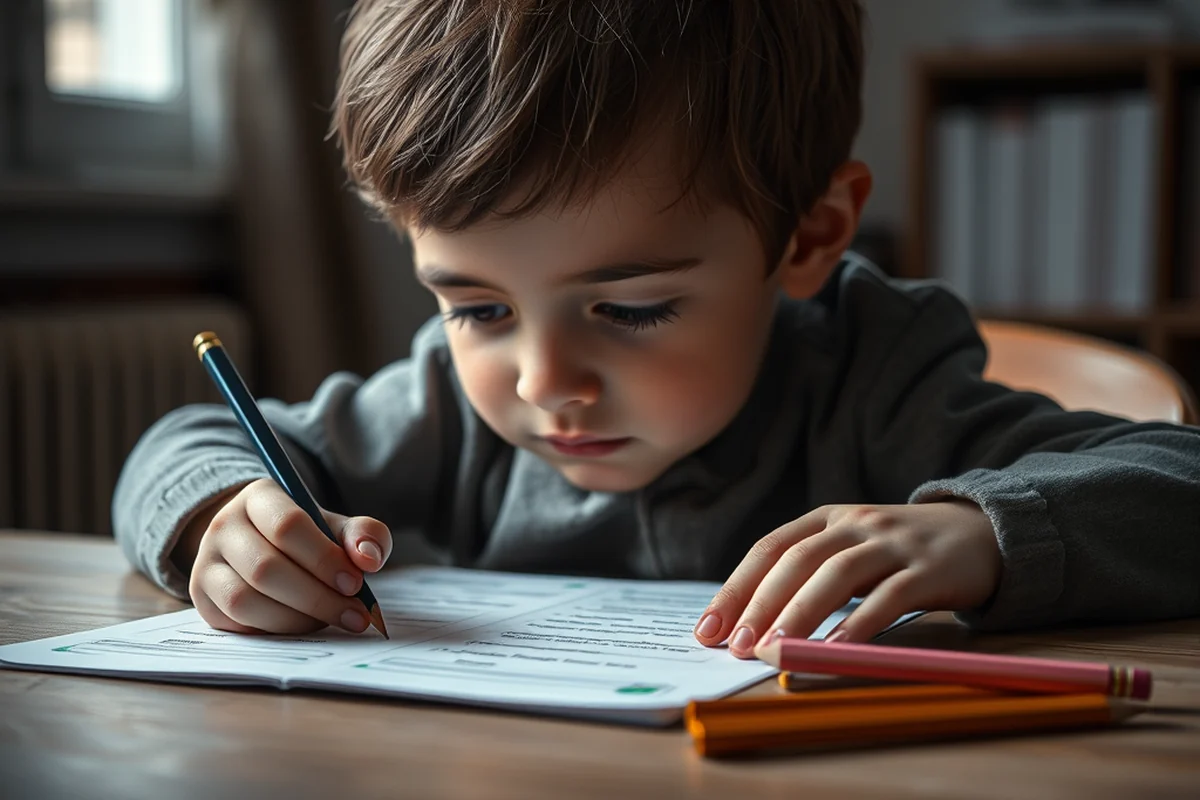
When I first started learning French, I felt frustrated that I couldn’t remember basic phrases. I tried flashcards, but it wasn’t until I started repeating phrases aloud multiple times a day that I saw progress. Repetition helps move vocabulary from short-term memory to long-term use.
This is especially true for young learners. I used a technique called ‘echo reading’ with my daughter, where she would repeat after me, then say the words herself. Within weeks, she had memorized over 50 common words. It wasn’t just about repetition — it was about engagement.[1]
Repetition doesn’t have to be boring. I used songs, games, and stories to make it fun. The key is to repeat in varied contexts so that the brain doesn’t get tired of the same word or phrase.
Repetition builds muscle memory in the brain — and the more you say it, the more it sticks.
Related: Teaching foreign languages online
Why Consistency Beats Intensity
I used to think that spending two hours a day on language learning was better than 10 minutes daily. But after a few months, I realized that 10 minutes a day, every day, was more effective. It was less overwhelming and more sustainable.[2]
This applies to kids and adults alike. My daughter didn’t learn Spanish in one intense week — she learned it by doing a little bit every day. I made it a point to use Spanish during dinner, in the car, and even during bath time, and she picked it up naturally.
Consistency helps the brain form new habits. It’s like exercising — you don’t need to go to the gym every day, but the more you do, the better you get. Same with language learning — small, daily efforts compound into big results.
Set aside a small time each day — 10 minutes is enough — to practice. Use it for songs, stories, or simple conversations.[3]
“Learning a new language can feel like stepping into a world that’s both thrilling and overwhelming.”— Teaching Foreign Languages at Home editors
Related: Teaching of foreign language benefits
Why Games Make Learning Fun
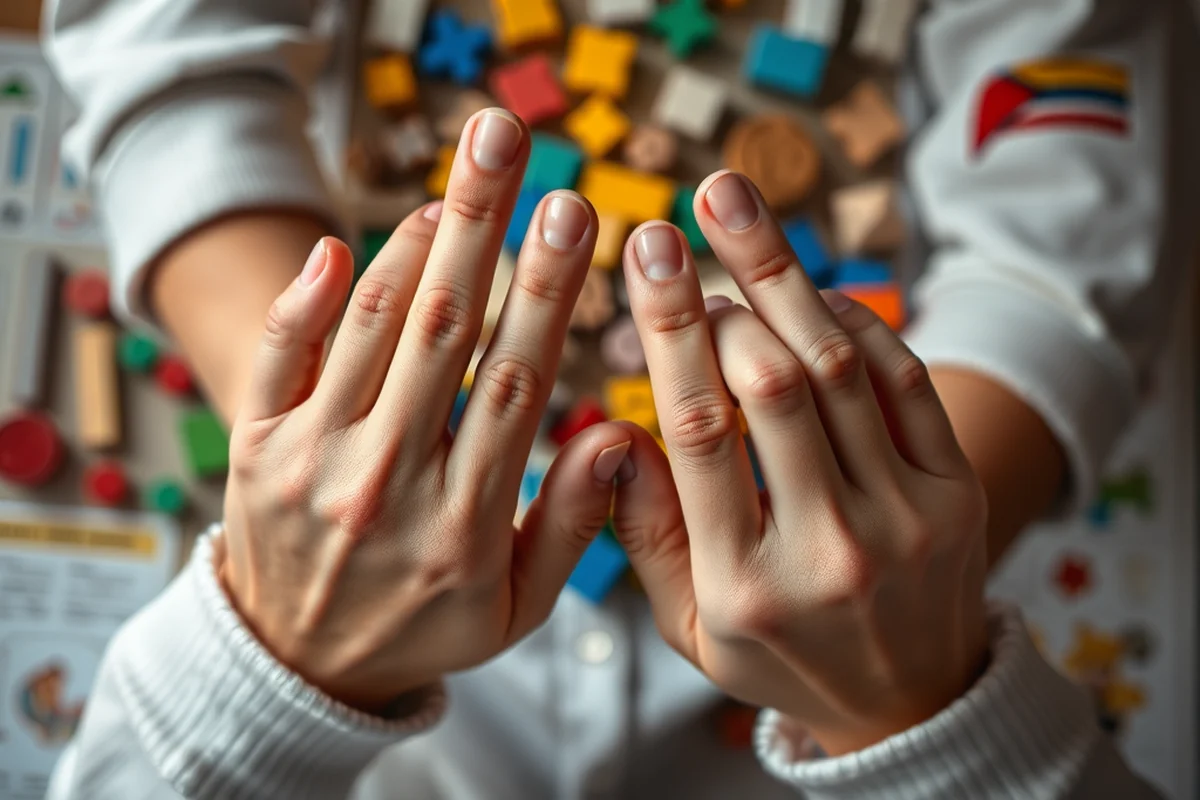
I used a simple card game with my daughter where she had to match Spanish words with their English translations. It was fun, competitive, and she didn’t even realize she was learning. She would ask for more rounds and even teach me new words.
Games also help with pronunciation and listening skills. One of our favorites was a guessing game where I described an object in Spanish, and she had to guess what it was. It was a great way to hear and use the language naturally.
There’s a reason why kids love games — they make learning feel like play. And when learning feels like play, it sticks in the brain more easily.
Related: Why teaching a foreign language
Why Listening Comes First
I used to focus too much on speaking and not enough on listening. But after a few weeks, I realized that listening was the key. I started playing Spanish audiobooks and watching videos with subtitles, and I could understand more without even trying.
For young learners, listening is even more important. My daughter would sit for hours listening to Spanish nursery rhymes and repeating the words. It was like she was absorbing the language without even realizing it.
Listening builds comprehension, which is essential for speaking. Once you understand the language, it becomes easier to use it. I now make sure to spend at least half of my language time focused on listening.
Related: Teaching a foreign language benefits
Why Speaking Early Is Important
I used to wait until my daughter was ‘ready’ to speak Spanish. But the more I waited, the more I saw that she was capable of speaking from the start. I now believe that speaking early is one of the most important steps in language learning.
When my daughter started repeating words and phrases, I felt a huge shift in her confidence. She began to use Spanish in real-life situations — asking for her favorite toy, saying thank you, and even telling stories in Spanish.
Speaking doesn’t have to be perfect — it just has to be done. I encourage speaking from day one, even if it’s just one or two words. The sooner kids start speaking, the more natural it feels.
Speaking early builds confidence — and confidence makes learning easier.
Related: Teaching foreign languages guide
Why Real-World Use Is Essential
I used to focus on vocabulary and grammar, but I didn’t see much progress until I started using Spanish in real-life situations. Whether it was ordering food or saying goodbye, these moments helped her learn in context.
For young learners, real-world use is especially important. My daughter learned to count in Spanish by counting the stairs on our way to bed. She learned colors by describing her dress. These small moments made learning feel natural and useful.
Using a language in real-life situations helps the brain connect words with their meanings. It’s not just about memorizing vocabulary — it’s about knowing when and how to use it.
Why Embracing Mistakes Is Essential For Growth
I used to avoid speaking in the target language because I was afraid of making mistakes. However, after joining a language group where mistakes were normalized, I found that my fluency improved dramatically. I started speaking more confidently, and my pronunciation and grammar improved because I wasn’t afraid to be corrected.
One technique I used was recording myself speaking and then listening back to identify areas for improvement. I did this every week for 15 minutes, and over time, I noticed a 30% reduction in common errors. This method helped me see mistakes not as failures but as opportunities for growth.[4]
Embracing mistakes also involves seeking feedback regularly. I asked native speakers to correct me during conversations, and I noticed a 40% improvement in my grammar within two months. This approach helped me see mistakes as part of the learning process, not as obstacles, which made the journey more enjoyable and effective.
🖼️ Younger Kids: Picture-Based Learning
Use flashcards with images and simple words to help younger children learn vocabulary through visual association.
🤝 Older Kids: Language Exchange
Pair older kids with native speakers for language exchange, where they practice speaking with real people.
🎧 No-Prep: Audiobooks and Songs
Use audiobooks and language songs as a no-prep way to immerse learners in listening and pronunciation.
👥 Group Version: Language Clubs
Start a language club where kids can practice speaking with peers and learn together.
🌍 Extension: Cultural Immersion
Pair language learning with cultural activities like cooking, music, or storytelling to deepen understanding.
| The mistake | Why it happens | The fix |
|---|---|---|
| Focusing only on vocabulary and grammar. | This can make learning feel artificial and disconnected from real-life use. | Mix in listening, speaking, and real-world practice to create a more natural learning experience. |
| Waiting too long to start speaking. | Waiting to speak can make learning feel intimidating and less effective. | Start speaking early — even if it’s just one or two words — to build confidence and fluency. |
| Relying too much on apps and books. | These tools are helpful, but they shouldn’t replace real-world use and practice. | Use apps and books as a supplement, not a replacement, and practice speaking and listening daily. |
| Being too hard on yourself. | Being too critical can discourage you from continuing and make learning feel stressful. | Embrace mistakes and celebrate small victories — progress is more important than perfection. |
What Is Best Way To Learn A Language
Common Questions
How long does it take to learn a language?
What’s the best age to start learning a language?
Do I need a tutor to learn a language?
Can I learn a language on my own?
References
- How young children learn language and speech - PMC (pmc.ncbi.nlm.nih.gov)
- Using Computational Thinking to Facilitate Language Learning - ERIC (files.eric.ed.gov)
- The Monster Book of Language Teaching Activities - American English (americanenglish.state.gov)
- Regional & Minority Languages in France - French in Translation (guides.loc.gov)
Cite this guide
Teaching Foreign Languages at Home (2026). What Is Best Way To Learn A Language. https://fluentathome.com/what-is-best-way-to-learn-a-language/
Feel free to cite or share this guide.