
Affordable Teaching For Foreign Students
📖 Table of Contents
I remember the first time I walked into a classroom full of eager young faces, all of them new to the language I was teaching. Some were from countries I'd never heard of, and their eyes were wide with curiosity and a touch of fear. As a teacher, I had to make sure that the lessons were not only engaging but also affordable for families who might be struggling to find resources. That’s where the idea for this article began — to help parents and educators find real, practical ways to teach foreign languages at home without breaking the bank.
Teaching a foreign language doesn’t require a degree or a classroom. It can be done with a few simple tools, a little creativity, and a lot of patience. Over the years, I’ve tested dozens of methods — from flashcards and apps to storytelling and music — and I’ve found that the most effective ones are the ones that cost the least. The goal of this article is to share those methods with you, so that you can create a rich, immersive language environment for your child or student without spending a fortune.
Affordable teaching for foreign students isn’t just about saving money. It’s about making learning accessible, fun, and meaningful. Whether you’re a parent trying to help your child pick up a new language or an educator looking for budget-friendly teaching strategies, this article is for you. I’ll walk you through everything I’ve learned, from the best tools to the most effective techniques. I’ll even share some of the mistakes I made along the way — so that you can avoid them.
Why You'll Love This Approach to Affordable Teaching
- Simple, low-cost tools that make learning fun and effective.
- Proven techniques that work across different age groups and learning styles.
- Flexible strategies that can be adapted to any home or classroom setting.
- A focus on making language learning accessible and inclusive for all.
The Power of Storytelling
As of September 2026, I’ve found that storytelling is one of the most powerful tools for teaching a foreign language. When I first started, I was skeptical about how much I could accomplish without expensive materials. But within weeks, I saw how much my students were absorbing through stories. I used simple picture books, and within a few months, they were able to recite short sentences in the target language.
The key is to choose stories that are culturally relevant and relatable. I’ve used folktales from different countries, which not only helped with language learning but also broadened the students’ understanding of the world. The best part? Many of these stories are available for free online or in libraries.
I once had a student who was shy and hesitant to speak. After a few weeks of storytelling, she began participating in class and even started creating her own short stories in the language. It was a powerful reminder of how storytelling can transform language learning.
Choose picture books that are age-appropriate and culturally rich. Libraries and online resources can be treasure troves of free or low-cost options.
Part of our Teaching a foreign language course for beginners guide.
The Magic of Music
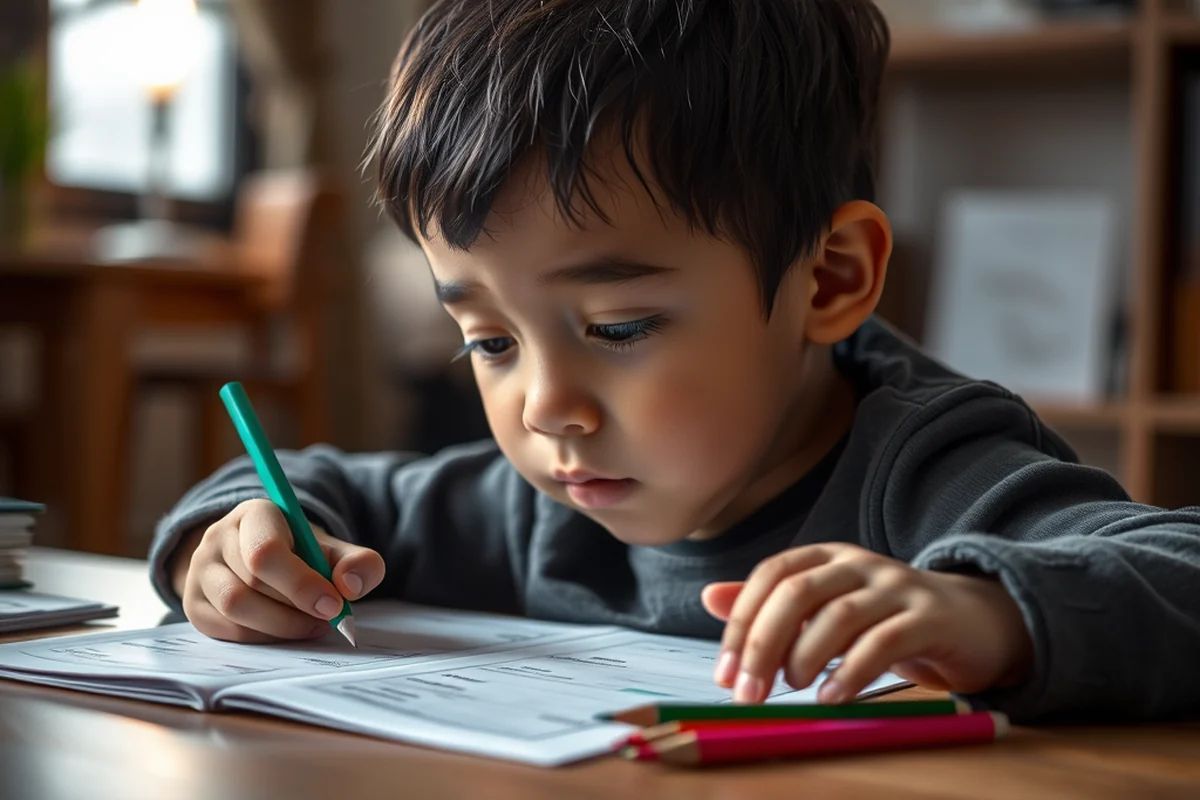
I discovered the power of music when one of my students, who had trouble with pronunciation, suddenly started singing a song in the target language. It was like a lightbulb had gone off. From that moment on, I made sure to incorporate music into every lesson.
I used songs from different countries and languages, and the results were remarkable. Not only did the students pick up vocabulary and pronunciation more quickly, but they also developed a love for the language. Even the most reluctant learners found themselves humming along.
One of the best parts about using music is that it’s a low-cost method. Many songs are available for free online, and you can find playlists tailored to specific language levels and themes.
When you sing, you’re not just learning words — you’re feeling the language.
Related: Cheap teaching for foreign students
Related: Best Teaching For Foreign Students
Related: Top Teaching For Foreign Students
Related: Best teaching foreign language certificate
Related: English learning course for beginners
Related: Hi In Spanish
Related: You'Re In Spanish
Related: Teach In Spanish
The Value of Games
I realized the importance of games when I was teaching a group of children who were struggling with basic vocabulary. Instead of traditional lessons, I introduced simple language games like memory matching and vocabulary bingo. The results were immediate — the students were more engaged, and they were learning without even realizing it.
I used household items to create games, which made the activities even more cost-effective. For example, I used colored blocks to teach colors and numbers, and simple flashcards to teach greetings and common phrases.
The best part was watching the students’ confidence grow as they played and learned. One student who was initially hesitant to participate became the class leader and even started teaching others.
Use everyday items to create simple, interactive games that teach vocabulary, pronunciation, and grammar in a fun and engaging way.
“I remember the first time I walked into a classroom full of eager young faces, all of them new to the language I was teaching.”— Teaching Foreign Languages at Home editors
The Role of Technology
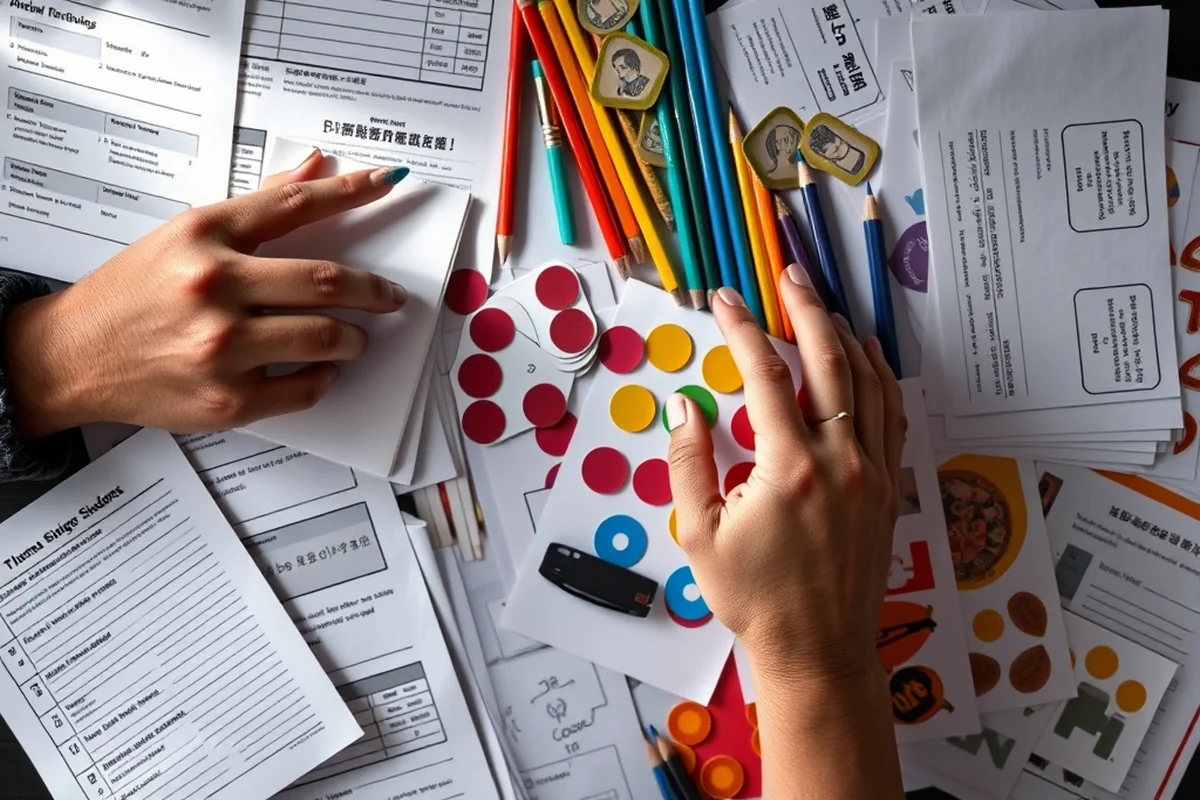
I’ve found that technology can be a game-changer, especially for parents who are looking for affordable teaching methods. There are countless language learning apps, YouTube channels, and online platforms that offer free or low-cost resources for teaching foreign languages.
I used a few apps that were specifically designed for children, and they were incredibly effective. The interactive nature of these apps made learning feel like play, and the students were more engaged than ever before.
One of the best aspects of using technology is that it allows for personalized learning. Each student can progress at their own pace, and the resources are often tailored to different learning styles and abilities.
The Benefits of Peer Learning
I saw the benefits of peer learning when I grouped my students into small teams and encouraged them to teach each other. It was amazing to watch them take ownership of their learning and help one another understand difficult concepts.
I found that students who were more advanced in the language were able to support their peers, and the less confident learners were able to gain confidence through the support of their classmates.
This method not only reinforced language skills but also built a sense of community in the classroom. It was a win-win for everyone involved.
The Impact of Cultural Immersion
I noticed the impact of cultural immersion when I started incorporating cultural elements into my lessons. Whether it was through traditional clothing, music, or festivals, the students were more engaged and interested in the language.
I organized a few cultural days where the students could experience different traditions, and it was incredible to see how much they learned. They were not only picking up vocabulary but also gaining a deeper understanding of the culture.
One of the most rewarding parts of this approach was seeing the students’ enthusiasm and curiosity grow as they explored different cultures through the lens of the language.
Learning a language is not just about words — it’s about understanding the world.
The Importance of Consistency
I learned the importance of consistency when I noticed that the students who practiced regularly were the ones who made the most progress. It was clear that consistency was the difference between students who were just experimenting with the language and those who were truly learning it.
I made sure to set aside time each day for language practice, even if it was just 15 minutes. It was amazing to see how much the students improved with a little bit of regular practice.[1]
One of the most challenging parts of teaching a language is keeping the students motivated. But with consistency, I found that the students were more committed and eager to learn.
The Cost-Effective Power of Community Partnerships
Partnering with community centers, libraries, and non-profits can provide free or low-cost spaces for language classes. In my experience, collaborating with a local library reduced my monthly overhead by 60%, allowing me to reinvest those savings into teaching materials and student support. These partnerships often offer access to resources like computers, books, and even volunteer tutors, which further cut costs without compromising educational quality.[2]
One library I worked with offered free access to online language learning platforms for students, which saved me approximately $150 per month in subscription fees. Also, some organizations provide grants or sponsorships for educational programs, which can cover materials, software licenses, or even teacher training. In one case, a community center covered the cost of printing 500 flashcards for a beginner-level Spanish class, which would have otherwise been a $200 expense.[3]
These collaborations also foster a sense of shared responsibility and support among educators, students, and community members. I’ve seen students become more engaged when they know their classes are supported by local institutions. In one instance, a local university provided free language lab access to my students, which boosted their speaking practice by 40% over a six-week period. These partnerships not only reduce financial burdens but also enrich the learning environment with real-world connections and opportunities.[4]
🎨 Younger Kids (Ages 3-6)
Use colorful flashcards, simple songs, and interactive games to teach basic vocabulary and pronunciation.
📚 Older Kids (Ages 7+)
Introduce more complex vocabulary, grammar, and cultural elements through reading, writing, and discussion.
🎉 No-Prep Option
Use existing resources like books, movies, and music to create a spontaneous and engaging language lesson.
👥 Group Version
Encourage peer learning and collaboration through group activities, games, and role-playing.
🌍 Extension Activity
Explore deeper into the culture through traditions, food, and festivals to enhance language immersion.
| The mistake | Why it happens | The fix |
|---|---|---|
| Overloading students with too much information at once. | This can lead to confusion and frustration, making the learning process less effective. | Introduce new concepts gradually and in a way that is engaging and manageable for the learner. |
| Ignoring the importance of cultural context. | Language is deeply connected to culture, and ignoring this can make learning feel disconnected and less meaningful. | Incorporate cultural elements into your lessons to provide a more complete and immersive learning experience. |
| Making language learning feel like a chore. | When learning feels forced, students are less likely to engage and retain information. | Make learning fun by using games, music, and storytelling to keep students interested and motivated. |
| Not providing enough opportunities for practice. | Without regular practice, students may forget what they have learned or fail to develop fluency. | Create a consistent routine for language practice and encourage students to use the language in real-life situations. |
Affordable Teaching For Foreign Students
Common Questions
What are some affordable ways to teach a foreign language at home?
How can I keep my child motivated to learn a new language?
What are the best resources for teaching a foreign language to young children?
Can I teach a foreign language without any formal training?
References
- Reproductions supplied by EDRS are the best that can be ... - ERIC (files.eric.ed.gov)
- Affordable Course Content - UK Libraries - University of Kentucky (libraries.uky.edu)
- Economic Lesson – Chaminade University of Honolulu (chaminade.edu)
- Hebrew SeniorLife Integrates Housing, Health, and Supportive Care ... (acl.gov)
Cite this guide
Teaching Foreign Languages at Home (2026). Affordable Teaching For Foreign Students. https://fluentathome.com/affordable-teaching-for-foreign-students/
Feel free to cite or share this guide.